Best Golf Hybrids: Four Picks and the Loft to Buy
A hybrid only works if it replaces something. Here are four worth buying, how to decide which iron comes out of the bag, and why head size and shaft length matter more than anything printed on the sole.
Some links here earn us a commission at no extra cost to you. It never changes what we recommend or the order we rank it. How this works.
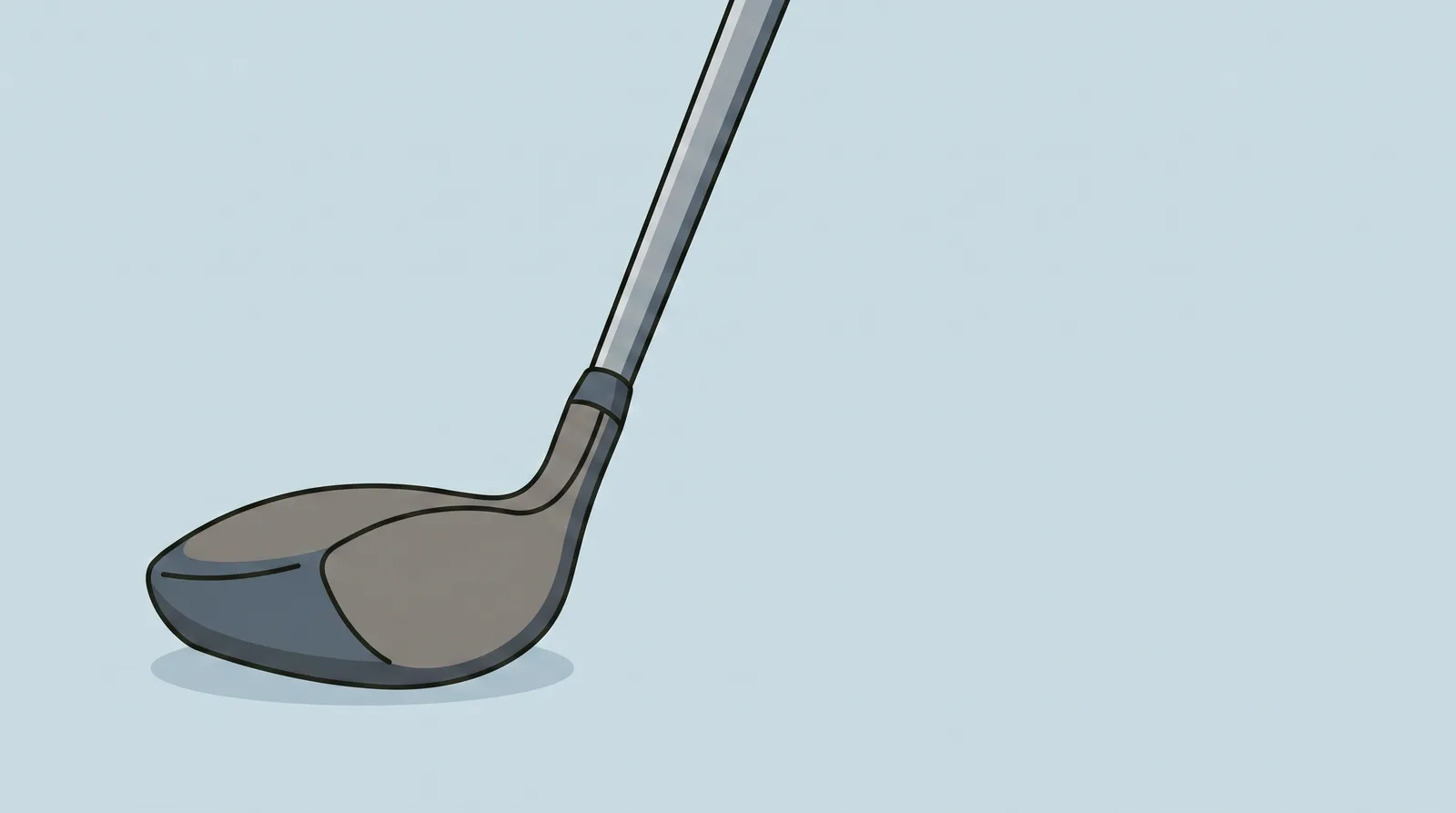
A hybrid is the only club most golfers buy without knowing what it is replacing. It goes in the bag, something else comes out, and if the loft was wrong the new club either duplicates the fairway wood above it or leaves a thirty yard hole below. What follows is four worth buying, how to work out which iron yours takes the place of, and why head size and shaft length decide more than the number stamped on the sole.
The four, compared
All four are hollow-bodied, high-strength steel-faced clubs built against the same equipment limits, and all four appear on the R&A's list of conforming clubs, which is republished every Monday and is the only place a conformance claim can be checked. What separates them is how many lofts they cover, how big the head is, how long the shaft is, and how much of that the manufacturer is willing to state.
| Pick | Best for | Lofts | Head volume | Lengths | Adjustment | Price |
|---|---|---|---|---|---|---|
| PING G440 Hybrid | Covering the widest stretch of the bag, from a 2 iron to a 7 | 17°, 20°, 23°, 26°, 30°, 34° | Not published | 40.75in at 17° down to 38.25in at 34° | ±1.5° loft, up to 3° flatter lie | Around £270 to £295 |
| Titleist GT2 Hybrid | The largest head here, and the most that can be moved at a fitting | 18°, 21°, 24° | 138cc, 138cc, 133cc | 40.5in, 40in, 39.5in | SureFit hosel plus swappable heel and toe weights | Around £300 at UK retail |
| Callaway Quantum Max Hybrid | An iron-sized head, with the numbers published to prove it | 19°, 21°, 24°, 27°, 30°, 33° | 105cc at 19° down to 86cc at 33° | 40.75in at 19° down to 37.625in at 33° | OptiFit4 hosel, seven loft and lie settings | Around £270 to £310 |
| Cobra OPTM Hybrid | The widest adjustment range for the least money | 3, 4, 5 and 6, degrees not published | Not published | Not published | FutureFit33, 33 loft and lie settings, ±2° | Around £250 at UK retail |
Hybrid prices behave like fairway wood prices rather than driver prices. The discount arrives later and is smaller, because there is no annual arms race in a category where nobody is claiming ten extra yards. The previous generation of any of these heads is a sensible buy and usually costs a fifth less.
PING G440 Hybrid: covers the most of the bag
Six PING G440 Hybrid heads, at 17°, 20°, 23°, 26°, 30° and 34°, is the widest loft range in this group by a comfortable margin. It means the same model can replace a 2 iron or a 7 iron, and more usefully it means you can buy two of them without leaving a gap between them.
The published table behind that is what makes the range useful rather than merely long. Ping state a standard length for every head, from 40.75 inches at 17° down to 38.25 inches at 34°, and a lie angle for each one from 57.0° to 59.5°. Hosel adjustment then gives ±1.5° of loft and up to 3° flatter lie, which is a wide lie range and the setting a hybrid most often needs, because these clubs sit more upright than the irons they replace.
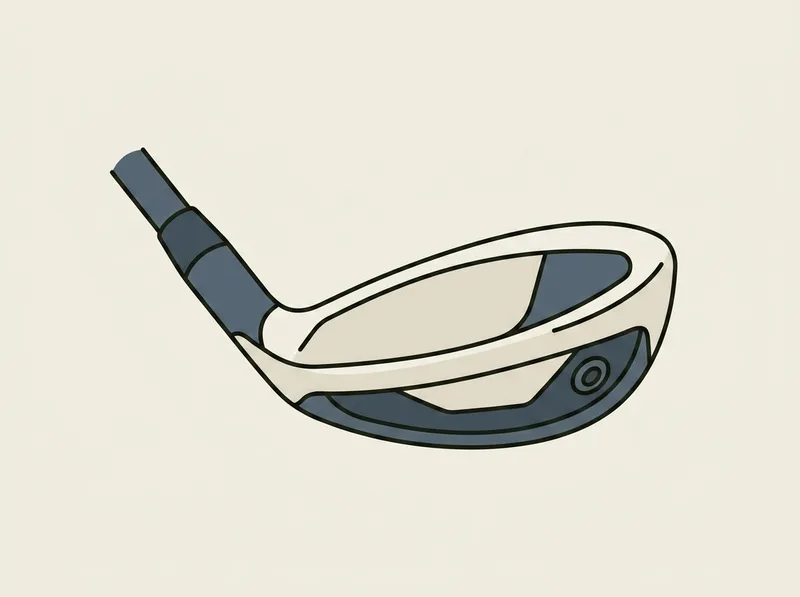 Around £270 to £295
PING G440 Hybrid
- Lofts
- 17°, 20°, 23°, 26°, 30°, 34°
- Head volume
- Not published
- Lengths
- 40.75in at 17° down to 38.25in at 34°
- Adjustment
- ±1.5° loft, up to 3° flatter lie
- Lie
- 57.0° to 59.5°, published for every head
- Stock shaft
- Six options, from ALTA CB Blue to Tour 2.0 Black 90
- Six heads from 17° to 34°, which is more of the bag covered than anything else here.
- Ping publish standard length and lie angle for every single head, so gapping can be checked before you buy rather than after.
- The lie adjustment runs up to 3° flatter, which is a genuinely wide range and the setting most often needed on a hybrid.
- Ping do not publish head volume for the G440 hybrid on their own listing, so it cannot be size-compared with the Titleist or the Callaway.
- Built to order, so lead times are longer than taking a club off a shelf.
- The lightweight, easier-launching case is handled by a separate HL build rather than by a setting on this one.
VerdictThe right buy for a golfer who does not yet know how many hybrids they need, because the loft range covers every answer and the published length and lie table lets you plan the bag properly. The missing head volume figure is the one thing you cannot check on paper.
The gap in the sheet is head volume. Ping do not publish it for the G440 hybrid on their own listing, so the one thing you cannot do on paper is compare its size against the Titleist or the Callaway below. Several third-party pages carry figures anyway and this page will not repeat them, because a volume nobody stated is a number nobody can check. Set the club down next to the others in a shop and the answer takes four seconds.
Titleist GT2 Hybrid: the biggest head, and the most to move
The Titleist GT2 Hybrid is the large, forgiving member of Titleist's hybrid family, and it is the only club here whose maker publishes head volume as a headline specification: 138cc at 18° and 21°, and 133cc at 24°. For context, the GT3 model alongside it runs 106cc to 109cc, and Titleist describe the GT2 as the highest total moment of inertia in the range.
Adjustment is where the money goes. On top of the SureFit hosel, two flat weights sit in the sole at 11 grams and 5 grams, and they swap between the heel and the toe positions. That moves the centre of gravity across the face rather than simply changing how heavy the club feels, which is a different and more useful kind of adjustment than a single rear weight. Head weight itself can then be taken up or down by six grams in two gram steps.
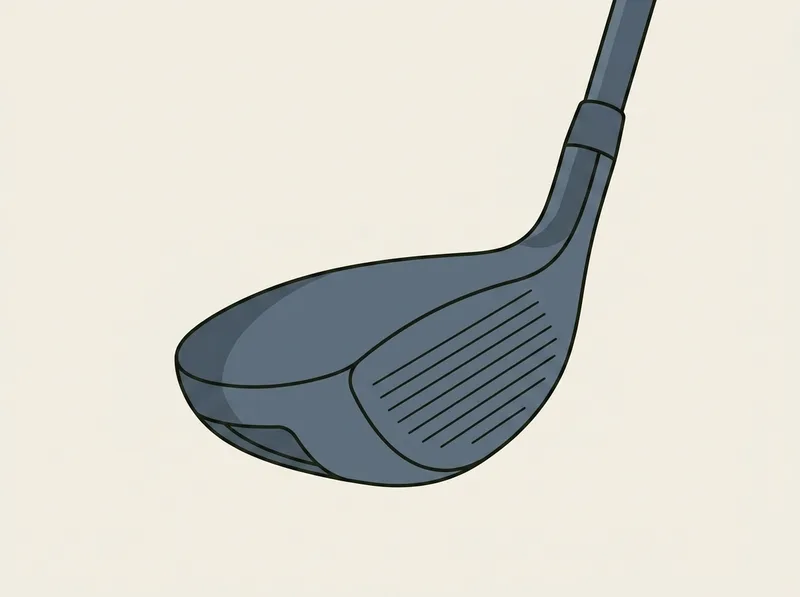 Around £300 at UK retail
Titleist GT2 Hybrid
- Lofts
- 18°, 21°, 24°
- Head volume
- 138cc, 138cc, 133cc
- Lengths
- 40.5in, 40in, 39.5in
- Adjustment
- SureFit hosel plus swappable heel and toe weights
- Lie
- 57.0°, 57.5°, 58.0°
- Stock shaft
- Five options from 50g to 85g
- 138cc on the 18° and 21° heads, the largest of the four, and Titleist state the figure rather than leaving you to guess.
- The 11g and 5g flat weights swap between heel and toe, which moves the centre of gravity across the face rather than just changing swing weight.
- Head weight can be taken up or down by six grams in two gram steps, so a fitter can build to a length without wrecking the feel.
- Three lofts only, stopping at 24°, so it does not reach the short end of the hybrid range at all.
- The most expensive of the four in practice, because it is the one that does not sell below list.
- A 138cc head sits a long way from an iron shape at address, which some players simply cannot look at.
VerdictThe pick for a golfer who is going to be fitted and wants the centre of gravity moved rather than accepted. If you need anything above 24° of loft, this range does not go there and the Ping or the Callaway will.
Two limits are worth stating plainly. The range stops at 24°, so it covers the top of an iron set and nothing below it, and 138cc is a large object to look down at. Whether that is reassuring or off-putting is a preference, not a performance question, and it is the single most common reason a golfer rejects a hybrid that fits them perfectly on a launch monitor.
Callaway Quantum Max Hybrid: iron-sized, and published
The Callaway Quantum Max Hybrid runs six lofts from 19° to 33°, and Callaway publish the head volume for each: 105cc, 106cc, 100cc, 94cc, 89cc and 86cc as the loft rises. That descending scale is the interesting part. The heads shrink as the club gets shorter, so the 33° version is close to a utility iron in size and sits like one.
Lengths follow the same logic, from 40.75 inches down to 37.625 inches, and the lie angles run from 58.75° up to 61.875°. Those upright lies are worth noticing before you buy. They suit a golfer who delivers a hybrid like an iron, with the hands leading and a slight descending blow, and they suit a sweeping delivery considerably less.
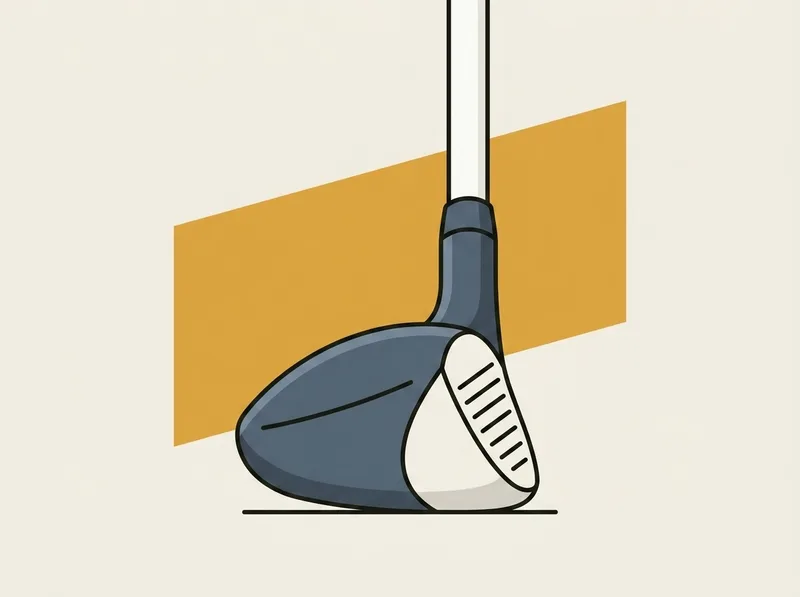 Around £270 to £310
Callaway Quantum Max Hybrid
- Lofts
- 19°, 21°, 24°, 27°, 30°, 33°
- Head volume
- 105cc at 19° down to 86cc at 33°
- Lengths
- 40.75in at 19° down to 37.625in at 33°
- Adjustment
- OptiFit4 hosel, seven loft and lie settings
- Lie
- 58.75° to 61.875°, published for every head
- Stock shaft
- Project X Denali Silver 60
- Head volume published for every loft, which is the specification that decides how the club looks and behaves and which almost nobody states.
- The heads shrink as the loft rises, from 105cc down to 86cc, so the short hybrids genuinely sit like irons.
- Six lofts to 33°, and a larger draw-biased OS version of the same club exists if a right miss is the problem.
- The lie angles run upright, to 61.875° on the 33° head, which suits an iron-style delivery and not everyone has one.
- One stock shaft listed rather than a choice, so anything else is a custom order.
- The naming is confusing, because the Max is the mid-sized model and the OS above it is the oversized one.
VerdictThe buy for a golfer replacing short irons rather than long ones, because 86cc to 105cc is close to a utility iron in size and it sits accordingly. Anyone who wants a big forgiving head to look down at should take the Titleist instead.
The naming needs a warning. Quantum Max is the mid-sized model. Quantum Max OS, which sounds like a variant, is the oversized draw-biased club, running 107cc to 130cc across a slightly weaker set of lofts. If your miss is to the right and you want the largest head Callaway make, the OS is the club you actually want, and it is easy to buy the wrong one online.
Cobra OPTM Hybrid: the most adjustment, the least information
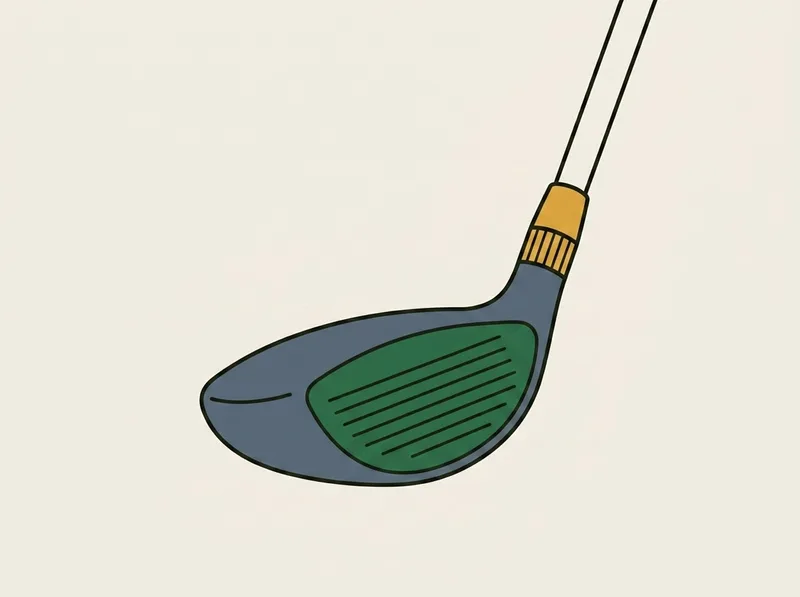
FutureFit33 is the widest hosel system in this group. Thirty three loft and lie combinations at ±2° in any direction, with a sole pad that keeps the face square through every setting, so adding loft does not close the club the way a simpler sleeve does. On a club where face angle at address is half the battle, that is a real engineering answer to a real problem.
 Around £250 at UK retail
Cobra OPTM Hybrid
- Lofts
- 3, 4, 5 and 6, degrees not published
- Head volume
- Not published
- Lengths
- Not published
- Adjustment
- FutureFit33, 33 loft and lie settings, ±2°
- Weighting
- Fixed back weight, set low and rearward
- Stock shaft
- Not published
- Thirty three loft and lie combinations at ±2°, which is a wider hosel range than anything else here.
- The face is kept square through every setting, so adding loft does not shut the club down the way it does on a simpler sleeve.
- Usually the cheapest of the four, and Cobra build the same system into the fairway woods above it.
- Cobra publish neither the loft in degrees, the standard length, the lie angle nor the head volume on their own product page.
- Without a published length you cannot check the gap against the iron below it before buying.
- The back weight is fixed, so the only thing you can move is the hosel.
VerdictThe value pick, and the one to buy if you are being fitted by somebody who can measure the club in front of them. Bought online it asks you to take more on trust than any other club on this page, because the numbers that decide gapping are not on the listing.
What Cobra do not do is tell you what you are adjusting from. The product listing offers lofts labelled 3, 4, 5 and 6 without stating a single figure in degrees, and it publishes neither standard length, nor lie angle, nor head volume. That is a striking gap on a club sold entirely on fitting, and it matters more here than on a driver, because a driver only has to gap against itself. A hybrid has to slot between a fairway wood and an iron, and you cannot plan that from a club number alone.
This page is not going to fill the gap from a retailer's build sheet. If you are buying an OPTM, get the loft and the length measured in front of you, or buy it through a fitter who will do that as a matter of course.
Which iron a hybrid replaces
The convention is simple and the execution is where people go wrong. A hybrid numbered 4 is built to replace a 4 iron, and some manufacturers number by degrees instead, which is why a 22° hybrid and a 4 hybrid are usually the same club. The six families of club covers the convention in full.
The problem is that iron lofts have moved and hybrid lofts have not moved with them. A modern game-improvement 5 iron can sit at 23°, which is exactly where several of the hybrids above sit, so buying a 5 hybrid to replace a 5 iron can produce two clubs that go the same distance.
| Hybrid loft | Traditionally replaces | Realistically replaces in a modern set |
|---|---|---|
| 17° to 19° | 2 iron | A 3 wood off the deck, or a 3 iron |
| 20° to 22° | 3 iron | A 4 iron in a strong-lofted set |
| 23° to 25° | 4 iron | A 5 iron in a strong-lofted set |
| 26° to 28° | 5 iron | A 6 iron in a strong-lofted set |
| 30° and up | 6 iron and above | Short irons in a super game-improvement set |
Check the loft of the iron you intend to remove before you buy anything. Standard iron lofts sets out how far the category has drifted and gives the typical figures by set type, and it is the single most useful five minutes in this whole decision.
Head size and sole width are the real difference
Head volume separates these clubs more than loft does, and the published spread here is enormous: 86cc at the small end of the Callaway range to 138cc on the Titleist. That is not a marketing distinction. It is the difference between a club that looks like a slightly fat iron and one that looks like a small fairway wood.
Bigger heads put more mass further from the face, which raises resistance to twisting and launches the ball higher for the same loft. They also sit wider from front to back, which means a wider sole, which means the club skids through turf instead of digging. Every one of those effects helps a golfer who strikes the ground before the ball.
The cost is at address. A deep head hides the leading edge, sits further from the ball visually, and makes the club feel harder to control on a half shot from 150 yards. That is why the small-headed hybrids exist at all, and why a golfer who wants to hit a hybrid from an awkward lie near the green is usually better served by 86cc than by 138cc.
A hybrid is not a small fairway wood, and the length is why
This is the misunderstanding that stops most golfers getting on with the club. A hybrid is built at iron length, not wood length. The Ping 20° head is 40.25 inches and the Callaway 21° is 40.125 inches, where a typical 3 wood runs around 43 inches and a 5 wood around 42.
Three inches is an enormous difference in a golf club. It changes how far you stand from the ball, how steep the shaft sits, and how much margin you have for finding the middle of the face. A shorter club is easier to control and produces a slightly steeper delivery, which is exactly what you want from a lie that is not perfect.
Set-up follows from that. Ball position moves back from where you would play a fairway wood, toward the middle of the stance, and the strike wants to be slightly descending. How to hit a hybrid works through the delivery properly, and it is closer to an iron swing than almost anyone expects.
The shaft is the other half. Hybrid shafts here run from 50 grams to 85 grams depending on the model and build, which is a wider spread than most golfers realise and heavier than the fairway wood shafts above them. Which flex you need sets out how to work that out from carry distance, and it applies to hybrids more than to any other club, because the length sits awkwardly between two categories.
Loft gapping into the set
A hybrid is bought to fill a gap, so the gap has to exist first. Work from both ends.
Above it sits your longest fairway wood or your driver. Below it sits the longest iron you can actually use. Measure the carry distance of both, and if the difference is more than about twenty five yards there is a hybrid-shaped hole. If it is fifteen, there is not, and a second hybrid would simply push a club you already own out of the bag.
Aim for roughly four to five degrees between neighbouring long clubs, which usually produces ten to fifteen yards of carry difference. Two hybrids at 20° and 23° is a sensible pair. Two at 20° and 21° is one club and a spare. Where your own distances actually fall is worth measuring rather than assuming, and a distance chart by club shows what tracked amateur data says each one covers.
If you are going to be fitted for anything in the long end of the bag, this is the club to do it with. Loft, length and lie interact more here than anywhere else, and what a fitting measures covers what actually happens in the bay.
What the swap is actually worth
The case for a hybrid over a long iron is unusually well evidenced, and the size of the gain depends on who is swinging it.
That last figure is the interesting one. The worse you strike the ball, the more the hybrid does for you from a bad lie, and at scratch level the rough advantage almost vanishes. It is the clearest evidence available that this is a forgiveness club rather than a distance club, whatever the packaging says.
Clubhead speed sets the floor under all of it. TrackMan's published benchmarks put the average male amateur at 94 mph with a driver against 110 mph for a scratch player, and a long iron needs speed to launch at all. Below roughly 90 mph of driver speed, a 3 or 4 iron is not a club that is hard to hit well. It is a club that does not work.
Which of these pages you actually want
This is the general hybrid page, and two neighbouring searches have genuinely different answers.
- If you are over about sixty, the conversation starts with shaft weight and total club weight rather than with head shape, and the picks change. Hybrids for senior swings covers it.
- If what you actually want is a club off the tee on tight holes, that is a fairway wood decision rather than a hybrid one. Fairway wood picks is the right page.
- And if long irons are the problem across the whole set rather than at the top of it, replacing two clubs is a smaller fix than replacing seven. Game improvement irons starts there.
Key takeaways
- The PING G440 covers 17° to 34° across six heads and publishes length and lie for every one, which makes it the easiest range to plan a bag around.
- The Titleist GT2 is the largest head at 138cc and the only one with weights that swap between heel and toe, but it stops at 24° of loft.
- The Callaway Quantum Max publishes head volume for every loft, from 105cc down to 86cc, so the short hybrids genuinely sit like utility irons.
- The Cobra OPTM has the widest hosel range at 33 settings and publishes neither loft in degrees, nor length, nor lie, nor head volume.
- Iron lofts have strengthened and hybrid lofts have not, so match the loft of the iron you are removing rather than matching the club number.
- Never carry a long iron and the hybrid that replaces it. Same loft, same distance, one wasted slot out of fourteen.
- A hybrid is built at iron length, roughly three inches shorter than a 3 wood, and wants a ball position and a strike closer to an iron than to a wood.
- Tracked amateur data has a 20 handicap 16 feet closer and 11 yards longer from the rough with a hybrid, while a scratch golfer gains just 1 yard from the rough.
Common questions
What is the best hybrid golf club?
For most golfers the PING G440, because six lofts from 17° to 34° cover every version of the decision and Ping publish standard length and lie for all of them. If you want the largest, most forgiving head and you are being fitted, the Titleist GT2 is 138cc with weights that move across the face.
What hybrid replaces a 4 iron?
Traditionally a 4 hybrid at around 22°, but check the loft of the iron first. Modern game-improvement 4 irons are frequently 20° or stronger, in which case a 20° hybrid is the match and a 23° one leaves a gap below it.
How many hybrids should I carry?
One or two for most golfers. The test is the carry gap between your longest usable iron and your longest fairway wood: more than about twenty five yards and there is room for one, more than forty and there is room for two. Three hybrids usually means the iron set starts too high.
Is a hybrid easier to hit than a long iron?
Considerably, and the gap grows the higher your handicap. Tracked amateur data puts a 20 handicap 16 feet closer to the hole with a hybrid and 11 yards longer out of the rough, against a scratch golfer who gains 11 feet of proximity and just 1 yard from the rough.
What is the difference between a hybrid and a fairway wood?
Length and head size, mostly. A hybrid runs around 39 to 41 inches with a head between roughly 85cc and 140cc. A 3 wood is about 43 inches with a head three or four times that volume. The wood goes further off a tee, the hybrid is easier from a poor lie.
Should I hit a hybrid like an iron or like a wood?
Like an iron. The club is built at iron length, so ball position sits close to the middle of the stance and the strike should be very slightly descending, taking a shallow divot after the ball. Trying to sweep it clean off the turf is the most common reason golfers find hybrids inconsistent.
Do I need an adjustable hybrid?
Only if somebody is going to adjust it. A hosel sleeve is genuinely useful for closing a gap or flattening a lie that does not suit you, and completely inert on a club bought online and left at standard. If nobody is measuring the result, buy the loft you need and save the money.
What loft hybrid should I get?
Three to five degrees stronger than the shortest club you want it to be longer than, and three to five degrees weaker than the club above it. In practice that usually means 19° to 23° for a first hybrid, which sits between a 5 wood and a 5 iron in most bags.
Are hybrids good for high handicappers?
They are the clearest equipment gain available to a high handicapper. The wider sole stops the club digging on a fat strike, the deeper head launches the ball without needing much clubhead speed, and the tracked proximity and rough advantages are largest at exactly that level.
Can you use a hybrid off the tee?
Yes, and it is one of the best uses for it. On a tight par 4 a 20° hybrid teed low is far easier to keep in play than a driver, at a cost of thirty or forty yards. Tee it barely above the turf, because the club is designed to be struck off the ground.
Is a hybrid worth it if I already have a 5 wood?
Check the lofts before you spend. A 5 wood at 18° and a 3 hybrid at 19° are the same club with different handles, and carrying both wastes a slot. The hybrid earns its place if it sits at least four degrees weaker than the wood, which usually means 22° or more.
How we put this together
- Published manufacturer specifications for each hybrid, taken from the maker's own product listing or launch material rather than a retailer's summary.
- What each specification changes: loft against which iron the club replaces, head volume against how the club sits and how forgiving it is, shaft length against strike consistency, and hosel range against face angle.
- Where a maker does not publish a figure on its own listing, this page records that instead of borrowing a number from a review site, because gapping is the one thing you cannot check after the fact.
- Shot Scope amateur datasets comparing hybrids with the long irons they replace, broken down by handicap, which is what decides whether the swap is worth making at all.
- TrackMan's published clubhead speed benchmarks, because a long iron needs speed to work and a hybrid is largely a way of not needing it.
On this page
- The four, compared
- PING G440 Hybrid: covers the most of the bag
- Titleist GT2 Hybrid: the biggest head, and the most to move
- Callaway Quantum Max Hybrid: iron-sized, and published
- Cobra OPTM Hybrid: the most adjustment, the least information
- Which iron a hybrid replaces
- Head size and sole width are the real difference
- A hybrid is not a small fairway wood, and the length is why
- Loft gapping into the set
- What the swap is actually worth
- Which of these pages you actually want
- How we put this together

Tom Ashworth
Tom Ashworth is a PGA Professional who has taught golf since 2012, working mainly with beginners and mid-handicappers at club level in Surrey. He reviews the instruction guides on Learn Golf for technical accuracy before they publish.
Most of his teaching is with players in their first three years of the game, and most arrive having been told too much: six swing thoughts collected from videos, half of them contradicting each other. His approach is to check the grip and the alignment before touching the swing, on the basis that most bad ball flight is decided at address.