7 Best Used Hybrids for High Handicappers: Under £180
Hybrids are the club high handicappers are told to buy, and the one that least needs buying new. Two or three seasons of age takes £150 off the price and almost nothing off the club.
Some links here earn us a commission at no extra cost to you. It never changes what we recommend or the order we rank it. How this works.
A hybrid is the club high handicappers are most often told to add, and the one that least rewards buying new. This season's heads list at £269 to £299, while the clubs that did the same job two or three seasons ago now sell second hand for £60 to £180. Here are seven used hybrids worth that money, the lofts to buy them in, and the wear that separates a bargain from a liability.
The seven, compared
Every club here launched between 2020 and 2023, which is the window that buying second hand exploits best: prices fall fastest across a club's first three seasons, while the design itself barely moves. All seven heads are forgiving enough for a 20 handicapper. What separates them is loft coverage, flight bias and how deep the UK used supply runs, because a second hand club you cannot find in your loft and flex is not really for sale.
| Pick | Best for | Lofts | Used price | Launched | Forgiveness | Price |
|---|---|---|---|---|---|---|
| Ping G425 Hybrid | The used market's default hybrid, with lofts all the way to 34° | 17° to 34° across six heads | £90 to £145 | 2021 | Neutral flight, adjustable hosel | Around £90 to £145 used |
| Ping G430 Hybrid | The same loft coverage with more ball speed, for £30 to £40 more | 17° to 34° across six heads | £140 to £175 | 2023 | Thinner face, higher flight | Around £140 to £175 used |
| Callaway Rogue ST Max OS Hybrid | The biggest, most slice-friendly head here, and the value buy | 19° to 33° across six heads | £80 to £120 | 2022 | Oversized head, built-in draw bias | Around £80 to £120 used |
| TaylorMade Stealth 2 HD Rescue | The highest flight here, for a settled slice | 20°, 23°, 27°, 31° | £100 to £150 | 2023 | Draw bias, highest launch | Around £100 to £150 used |
| TaylorMade SIM2 Max Rescue | The neutral head at the same age and money as the G425 | 19° to 31° across five heads | £80 to £125 | 2021 | V shaped sole, neutral flight | Around £80 to £125 used |
| Callaway Big Bertha B21 Hybrid | The cheapest committed slice fix on the page | 19° to 33° across six heads | £70 to £110 | 2020 | Offset hosel, strong draw bias | Around £70 to £110 used |
| Cobra Aerojet Hybrid | The distance pick, for the rare high handicapper who launches it too high | 17° to 28° across five heads | £75 to £120 | 2023 | Fast face, flatter flight | Around £75 to £120 used |
Draw bias is the honest dividing line in that table. Three of the seven are built to fight a slice, which is a feature for the golfer with a settled left-to-right miss and a fault for everyone else. When in doubt, buy neutral.
Ping G425 hybrid: the used market's default
The Ping G425 hybrid launched in 2021, which makes it the best kind of used club: old enough that five seasons of trade-ins have filled the second hand market, recent enough that nothing about it plays old. Lofts run 17°, 19°, 22°, 26°, 30° and 34°, a wider spread than any TaylorMade or Callaway on this page, and the hosel adjusts loft a degree and a half either way.
That loft depth is the practical argument. A high handicapper shopping used is usually hunting a 22° or 26° head, and the G425 exists in volume at exactly those lofts, where rarer models offer one listing in the wrong flex and nothing else.
 Around £90 to £145 used
Ping G425 Hybrid
- Lofts
- 17° to 34° across six heads
- Used price
- £90 to £145
- Launched
- 2021
- Forgiveness
- Neutral flight, adjustable hosel
- Five seasons of trade-ins mean deep second hand supply in every loft, including the 30° and 34° heads most models never offer.
- Six lofts from 17° to 34° let one model replace anything from a 2 iron to a 7 iron.
- The hosel adjusts loft a degree and a half either way, which rescues a purchase that turns out slightly wrong.
- Demand never faded, so prices hold firmer than for other clubs of the same age.
- The oldest examples are now five seasons in, and shaft and grip condition varies widely between listings.
- Gives up a little ball speed to the newer heads below it on this page.
VerdictThe default second hand buy: supply is deep, every loft a high handicapper needs exists, and it costs roughly half what the current equivalent does. The market is liquid enough to hold out for a clean example rather than settling.
The flight is neutral rather than slice-fixing, which is the right default for a miss that still goes both ways. Prices hold firmer than for most 2021 clubs because demand never dropped: £90 buys a worn but honest example, £145 a graded one with a fresh grip.
Ping G430 hybrid: the same lofts with more speed
The Ping G430 is the same idea a generation on: identical loft coverage from 17° to 34°, the same adjustable hosel, and a thinner face that adds a little ball speed and height. It reached UK shops in 2023, so used examples tend to arrive with life left in the original grip and shaft.
 Around £140 to £175 used
Ping G430 Hybrid
- Lofts
- 17° to 34° across six heads
- Used price
- £140 to £175
- Launched
- 2023
- Forgiveness
- Thinner face, higher flight
- Identical loft coverage to the G425, six heads from 17° to 34°, with the same adjustable hosel.
- A thinner face adds ball speed and a touch more height at the same forgiving head size.
- Young enough that most used examples still carry the original grip with life left in it.
- The £30 to £40 premium over a G425 buys an incremental gain rather than a different club.
- Second hand supply is still filling out, so the exact loft and flex you want takes longer to find.
- Prices sit close enough to discounted new stock that the case depends on what is available the week you look.
VerdictThe buy when the loft you need is sold out in the older head, or when the gap to a G425 has narrowed to £20 or so. Nothing about the club argues against it, only the price.
What the extra £30 to £40 does not buy is a different club. The gains over a clean G425 are the incremental kind, so the G430 makes sense in two situations: the loft you need has sold out in the older model, or the price gap has closed to £20 or so. Both happen regularly, and fastest in senior flex, where second hand stock moves quickest.
Callaway Rogue ST Max OS: the biggest head and the value buy
Callaway built the Rogue ST Max OS in 2022 for exactly the player this page is for. The head is oversized, the tungsten sits low and toward the heel, and the ball wants to leave high with a pull toward a draw. Lofts run 19° to 33° across six heads, and an OS Lite version offers the same shape in a lighter build for slower swings.
 Around £80 to £120 used
Callaway Rogue ST Max OS Hybrid
- Lofts
- 19° to 33° across six heads
- Used price
- £80 to £120
- Launched
- 2022
- Forgiveness
- Oversized head, built-in draw bias
- An oversized head with tungsten low and toward the heel, built for exactly the strike a high handicapper delivers.
- Draw bias is baked in rather than adjustable, so there is nothing to set wrongly.
- An OS Lite version offers the same shape in a lighter build for slower swings, without a custom order.
- The draw bias cannot be switched off, which makes it the wrong club for a miss that goes left.
- No hosel adjustment, so a loft bought slightly wrong stays wrong.
- The large footprint takes trust from tight, bare lies.
VerdictThe value pick of the seven for the golfer whose miss is a steady fade or slice. Anyone whose ball still goes both ways should take one of the neutral Pings instead and pay the difference.
At £80 to £120 second hand it is the cheapest route into a genuinely oversized modern head, which makes it the value buy here. The trade is commitment: the draw bias cannot be switched off, the hosel does not adjust, and the footprint takes trust from a tight lie. For a golfer whose miss is a reliable fade or slice, none of that costs anything.
TaylorMade Stealth 2 HD Rescue: the highest flight for a settled slice
The Stealth 2 HD Rescue is TaylorMade's high launch, draw biased rescue from 2023, and it flies higher than anything else here. Lofts start at 20° rather than 17°, which is where a high handicapper's hybrid set should honestly begin, and run 23°, 27° and 31° above it. A V shaped sole keeps the club moving through turf on the steep strikes that find hybrids in this handicap range.
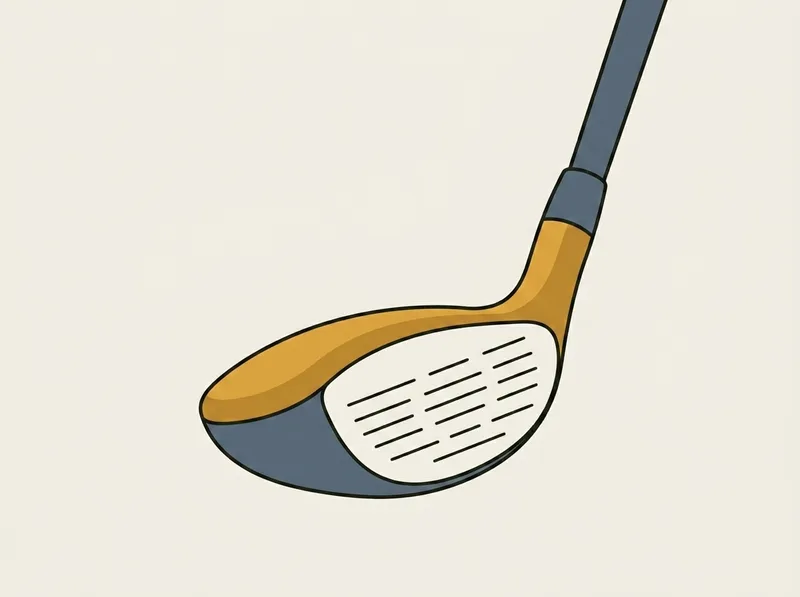 Around £100 to £150 used
TaylorMade Stealth 2 HD Rescue
- Lofts
- 20°, 23°, 27°, 31°
- Used price
- £100 to £150
- Launched
- 2023
- Forgiveness
- Draw bias, highest launch
- Lofts start at 20° rather than 17°, which is where a high handicapper's hybrid set should actually begin.
- The highest launching head on this page, with a V shaped sole that keeps moving through turf on steep strikes.
- Recent enough that used examples usually arrive in honest, lightly worn condition.
- Sold in smaller numbers than the standard Stealth 2, so finding your loft and flex second hand takes patience.
- Four lofts rather than six limits how much of the bag it can cover.
- The draw bias is a commitment, and the wrong one for a two-way miss.
VerdictThe pick for the slicer who needs height above everything, if one turns up in the right spec. Thin supply rather than any fault of the club is what keeps it below the Pings.
Supply is what holds it below the Pings. The HD sold in smaller numbers than the standard Stealth 2, so the right loft and flex takes patience to find second hand, and prices hold at £100 to £150 while you wait. When one appears in your spec, it is the strongest slice-friendly buy on the page.
TaylorMade SIM2 Max Rescue: the neutral head at G425 money
The SIM2 Max Rescue is the neutral TaylorMade: the same 2021 vintage as the G425, similar money, and a flight that makes no assumption about your miss. Lofts run 19° to 31° across five heads, and the sole is the club's best feature, a shallow V that rides through rough and bare lies rather than digging in.
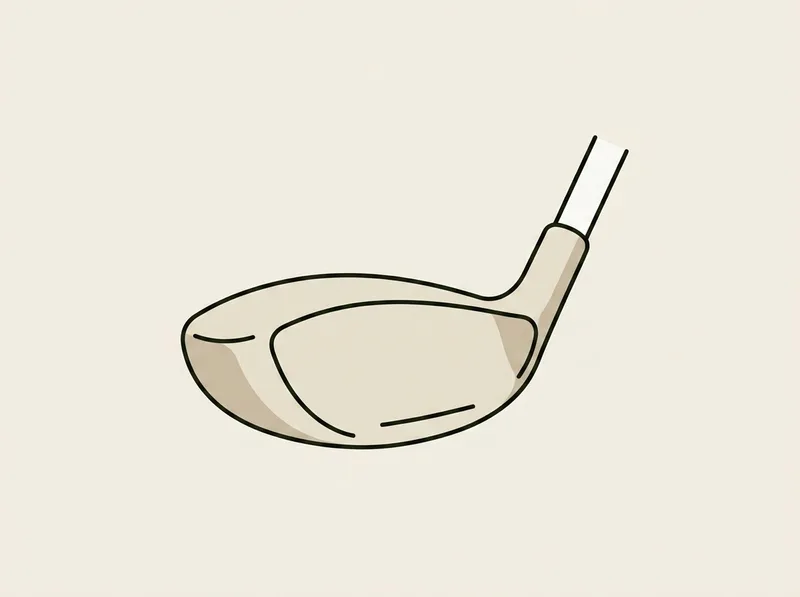 Around £80 to £125 used
TaylorMade SIM2 Max Rescue
- Lofts
- 19° to 31° across five heads
- Used price
- £80 to £125
- Launched
- 2021
- Forgiveness
- V shaped sole, neutral flight
- A genuinely neutral flight, which is the right default while a miss still goes both ways.
- The V shaped sole rides through rough and bare lies instead of digging.
- Five lofts up to 31° cover everything down to a 6 iron replacement.
- Most examples are now old enough to need a new grip on arrival.
- No hosel adjustment to correct a loft bought slightly wrong.
- The face technology is two generations back and gives up a little speed to newer heads.
VerdictA neutral, forgiving hybrid with real supply at around £100, which is exactly what a two-way miss should buy. Budget for a grip and it competes directly with the G425.
Age is the tax. Most examples now want a new grip on arrival, there is no hosel adjustment to correct a loft bought slightly wrong, and the face gives up a little speed to newer heads. It stays this high on the list because a neutral, forgiving hybrid with real supply at around £100 is precisely what a two-way miss should buy.
Callaway Big Bertha B21: the cheapest committed slice fix
The Big Bertha B21 hybrid is the committed choice: visible offset at the hosel, internal weighting pulling the face closed, and lofts from 19° to 33°. It launched in 2020, which makes it the oldest club here and routinely the cheapest, with tidy examples at £70 to £110.
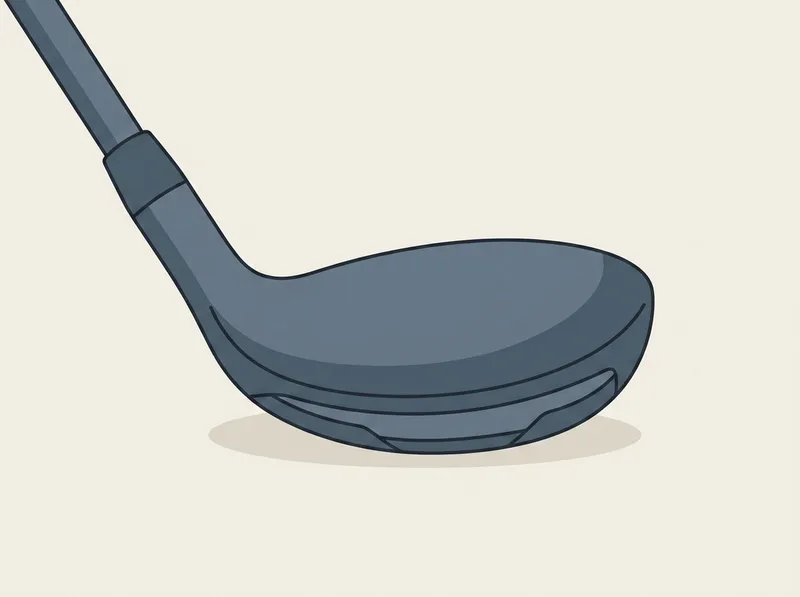 Around £70 to £110 used
Callaway Big Bertha B21 Hybrid
- Lofts
- 19° to 33° across six heads
- Used price
- £70 to £110
- Launched
- 2020
- Forgiveness
- Offset hosel, strong draw bias
- The strongest anti-slice geometry here, pairing visible offset with internal draw weighting.
- Six lofts from 19° to 33° reach further into iron-replacement territory than most rivals.
- Routinely the cheapest club on this page in tidy condition.
- The oldest club here, with six seasons of unknown use to inspect for.
- The offset look behind the ball divides opinion at address.
- Actively the wrong club for anyone whose miss ever goes left.
VerdictFor a golfer who has sliced for years, this is the cheapest club that fights back, and the age is the price of the price. Check the crown, sole and shaft harder than on anything else here before handing money over.
The commitment is total. For a golfer who has sliced for years and wants the cheapest second hand club that fights back, this is that club. For anyone whose ball ever goes left, the offset converts one bad shot into a different one, and six seasons of unknown use means the condition checks further down this page matter more here than anywhere else.
Cobra Aerojet: the distance pick that suits fewest people here
The Cobra Aerojet is the newest design thinking on the page and the least suited to the job title. It arrived in 2023 built for ball speed, with a hot, thin face and forward weighting, and the flight comes out strong and comparatively flat. Lofts run 17° to 28° across five heads, and the high lofted ones are the rarest second hand.
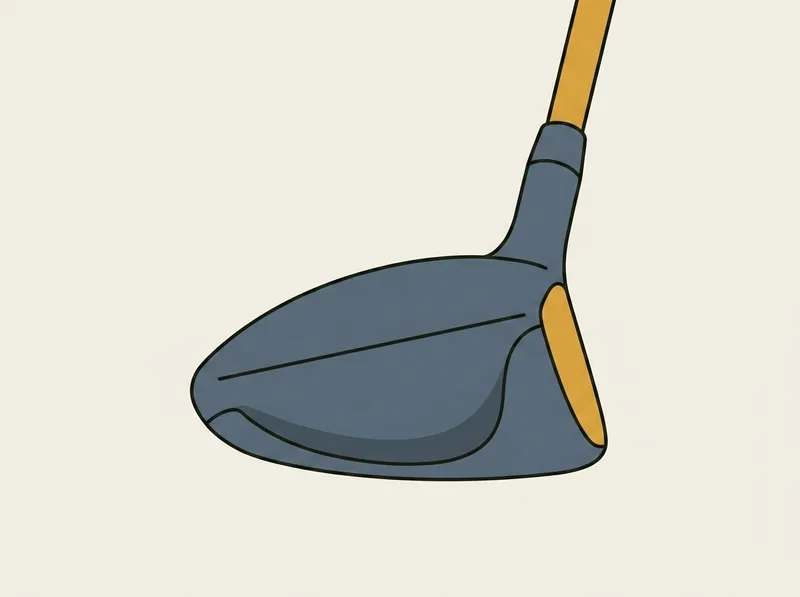 Around £75 to £120 used
Cobra Aerojet Hybrid
- Lofts
- 17° to 28° across five heads
- Used price
- £75 to £120
- Launched
- 2023
- Forgiveness
- Fast face, flatter flight
- The newest face technology on this page at the price of clubs two years older.
- A neutral flight that does not assume anything about your miss.
- Strong from a tee, which suits short par 4s and long par 3s.
- A flatter, hotter flight is the opposite of what most high handicappers need from a hybrid.
- Lofts stop at 28°, and the higher lofted heads are the rarest second hand.
- UK used supply runs thinner than for TaylorMade, Ping or Callaway.
VerdictIt sits last not because it is a lesser club but because its strengths point away from the player this page is for. For the unusual high handicapper who already launches everything high and loses carry to spin, it is the sleeper buy of the list.
It sits last because its strengths point away from the typical high handicapper, who needs height and stopping power more than extra roll. The exception is the player who already launches everything high and watches carries die to spin: for that swing, this is the quiet bargain of the list at £75 to £120.
Why a hybrid replaces a long iron, not a wood
The case for a hybrid is not that it is easier than every club, it is that it is easier than a long iron. A 4 iron asks for clubhead speed most amateurs do not have: without it the ball leaves low, lands flat and runs through greens it was never going to hold. A hybrid's deeper body puts weight behind and below the ball, so the same swing launches the same distance higher, and its wide sole skids through turf where an iron's narrow leading edge digs and stops.
Both clubs compete for a place inside the fourteen club limit, so a hybrid is never an addition, it is a replacement. The question is not whether to carry one but which irons it removes.
The rough number deserves the attention. High handicappers hit more approaches from bad lies than good ones, and that is where the long iron collapses entirely: the hybrid's sole and depth keep a mishit from thick grass moving toward the green instead of along the ground.
Which hybrid loft replaces which iron
Hybrids are stamped with iron-style numbers, and the numbers lie. One maker's 3H is 19°, another's is 21°, and the same stamp has drifted stronger over the years. Buy by loft, and match it to the iron leaving the bag.
| Iron coming out | Hybrid loft to buy | Usual stamp |
|---|---|---|
| 3 iron | 19° to 20° | 3H |
| 4 iron | 22° to 23° | 4H |
| 5 iron | 25° to 26° | 5H |
| 6 iron | 28° to 31° | 6H |
For most high handicappers the honest answer is two heads from the middle rows. A 22° or 26° head also slots straight on top of a set of used irons that starts at the 6 iron, which is how many part sets are now sold.
The stamped numbers drifted because iron lofts drifted first. Modern game improvement irons carry lofts a full club stronger than their equivalents from fifteen years ago, so a hybrid bought to replace a 4 iron needs matching to that set's actual 4 iron loft, not to a chart from memory.

What used saves against new
The current crop of new hybrids lists between £269 and £299, and discounting rarely reaches far below £200 until a model is being cleared. Set that against what the last few generations cost second hand and the shape of the market is obvious.
| Maker | Newest equivalent, at UK list | The same slot, second hand |
|---|---|---|
| Ping | G440 hybrid, £269 to £295 | G425 at £90 to £145, G430 at £140 to £175 |
| TaylorMade | Qi35 Rescue, around £269 | SIM2 Max at £80 to £125, Stealth 2 HD at £100 to £150 |
| Callaway | Elyte hybrid, around £299 | Rogue ST Max OS at £80 to £120, B21 at £70 to £110 |
The same depreciation that makes used drivers a bargain lands even harder on hybrids, because a hybrid's job has not changed in a decade: launch the ball, forgive the strike, get through the turf. A 2021 head does all three within touching distance of a 2026 one, and the £150 difference buys lessons, balls and a winter of range sessions.
How to check a used hybrid before you pay
A used hybrid hides less than a used driver, because most of what matters is visible. The full inspection routine takes about five minutes with the club in hand, and the hybrid version concentrates on five places.
- The crown. Chips and dents on the crown behind the face come from skied strikes and range mats, and a crack there is a walk-away fault rather than a haggling point.
- The sole. Scratches and polished wear are normal, because a hybrid is hit down into turf on purpose. Deep gouges, a caved sole slot or rails worn flat on one side tell you about a strike pattern the head has absorbed for years.
- A shake test. Hold the head to your ear and shake. A rattle is loose internal material or a detached weight, and on a glued, non-adjustable head it is rarely worth the repair.
- The shaft. Sight down it for straightness, then check the paint just below the grip and above the hosel for splits or spidering. Graphite fails at the ends, and a cracked shaft costs more to replace than the club is worth.
- The grip. Worn slick or turned shiny is fine, because a new grip fitted costs about £10 to £15. Treat it as a price lever, never a reason to reject an otherwise clean club.
Buying from somewhere that grades its stock moves most of that burden onto the seller. A specialist that grades and authenticates second hand clubs describes the wear per listing and takes returns, which a private sale never does, and that service is what the top of each price band on this page is paying for.
Flex and shaft weight for slower swings
Most used hybrids in circulation carry regular flex graphite, which is convenient, because that is what most high handicappers should be swinging. TrackMan's club speed benchmarks put the average male amateur at 94 mph with a driver against 110 mph for a scratch player, and everything below driver runs slower still, which is why stiff shafts bought on optimism leave the face open at impact.
Working out which shaft flex you need from carry distance beats trusting the letter on a used shaft band, because flex was never standardised between makers and a decade of second hand stock mixes them all. Weight matters as much as the letter: a slower swing wants the lighter end of what a model was sold with, and lighter stock builds usually mean the club was specced for exactly this buyer.
Below the speeds this page assumes, the lighter builds among hybrids for senior swings fit better than anything here, and the used market serves that buyer well: senior flex examples of both Pings above are common and priced no higher than regular.
When a 7 wood is the better answer
There is a point where the answer stops being a hybrid at all. At the long end of the bag, a 21° 7 wood flies higher and lands softer than a 19° hybrid hit by the same golfer, because its longer shaft and deeper head do the launching that swing speed otherwise would. A high handicapper who cannot hold a green with a 3 hybrid usually can with a 7 wood.
The practical rule: fill the 3 iron slot with whichever of the two you launch higher, and fill everything from the 4 iron down with hybrids. A used 7 wood and a used 22° hybrid together still cost less than one new rescue club.
Key takeaways
- The Ping G425 hybrid is the default used buy: £90 to £145 second hand, six lofts to 34°, neutral flight and deep UK supply.
- Used hybrids from 2020 to 2023 run about £60 to £180, against £269 to £299 for the current equivalents.
- Buy by loft, not stamp: 22° to 23° replaces a 4 iron, 25° to 26° replaces a 5 iron.
- Three of the seven are draw biased, which suits a settled slice and nobody else. When in doubt, buy neutral.
- Check crown, rattle and shaft before the face. Face wear matters less on a hybrid than anywhere else in the bag.
- A worn grip is a price lever, not a fault: a replacement fitted costs about £10 to £15.
- At the slowest swing speeds, a high lofted fairway wood beats a low lofted hybrid at the long end of the bag.
Common questions
Are old hybrids still good?
A hybrid from 2020 onward gives up very little to a current head. The things that make a hybrid work, head depth, sole width and loft, have barely changed in five years, and what ages is the shaft, grip and finish rather than the performance. Condition matters far more than the season stamped on the sole.
What hybrid should a high handicapper carry?
One or two neutral, forgiving heads in the 22° to 26° range, replacing the 4 and 5 irons. The Ping G425 is the default second hand buy because it exists in volume at exactly those lofts. Add a draw biased model only if your miss is a settled slice.
How much is a second hand hybrid?
Between about £60 and £180 for the recent generations worth owning. Graded stock from specialist sellers occupies the top half of that range, private sales the bottom, and the difference buys a condition description and a returns policy. The current new equivalents list at £269 to £299.
What loft hybrid replaces a 4 iron?
A 22° to 23° head, usually stamped 4H. Check the loft rather than the stamp, because makers disagree by a degree or two in each direction, and match it to your own set's actual 4 iron loft if you know it.
Is a used hybrid better than a cheap new one?
Almost always. £100 spent second hand buys a head that led its maker's range three seasons ago, while £100 spent new buys a club built down to that price. The used club was engineered to a £250 standard and has merely aged; the budget club never met that standard.
How old is too old for a used hybrid?
As a working rule, stay inside five or six seasons. Older clubs still function, but supply of clean examples thins, shafts and grips are further through their lives, and heads from the mid 2010s give up real forgiveness to anything on this page. The 2020 to 2023 window is where price and performance balance.
Do hybrids wear out?
Slowly. Sole scratches and polished faces are cosmetic, and the head itself outlasts everything attached to it. What actually wears is the grip, which is cheap to replace, and eventually the shaft. The failures that end a hybrid are cracks and rattles, which is why the shake test matters more than the wear.
What flex should a high handicapper buy in a used hybrid?
Regular graphite, unless a measured swing says otherwise. Flex letters are not standardised between makers, so treat the band as a starting guess, and be honest about speed: a stiff shaft bought on optimism costs height and leaves the face open, which is the exact miss most high handicappers are fighting already.
Should a high handicapper carry two hybrids?
Often, yes. A 22° and a 26° head replacing the 4 and 5 irons is the most common happy ending, and second hand prices make the pair cost less than one new club. Two hybrids from the same model in consecutive lofts also keep the gapping honest.
Is it worth regripping a used hybrid?
Yes, and usually first. A fitted replacement costs about £10 to £15, transforms how the club feels, and removes the previous owner's wear pattern from your hands. A tired grip should lower the price you pay, never your opinion of the club.
How we put this together
- Live UK second hand listings for every model, checked September 2026, with each price written as the band those listings span rather than a single figure.
- Manufacturer loft sheets for all seven heads, so the loft-to-iron replacement advice matches what each model was actually sold in.
- Shot Scope's published hybrid versus long iron performance data by handicap band.
- Current UK prices for each maker's newest equivalent hybrid, which set the saving a used buy represents.
- The R&A's Rules of Golf on club limits, which frame what a hybrid displaces from the bag.
On this page
- The seven, compared
- Ping G425 hybrid: the used market's default
- Ping G430 hybrid: the same lofts with more speed
- Callaway Rogue ST Max OS: the biggest head and the value buy
- TaylorMade Stealth 2 HD Rescue: the highest flight for a settled slice
- TaylorMade SIM2 Max Rescue: the neutral head at G425 money
- Callaway Big Bertha B21: the cheapest committed slice fix
- Cobra Aerojet: the distance pick that suits fewest people here
- Why a hybrid replaces a long iron, not a wood
- Which hybrid loft replaces which iron
- What used saves against new
- How to check a used hybrid before you pay
- Flex and shaft weight for slower swings
- When a 7 wood is the better answer
- How we put this together

Tom Ashworth
Tom Ashworth is a PGA Professional who has taught golf since 2012, working mainly with beginners and mid-handicappers at club level in Surrey. He reviews the instruction guides on Learn Golf for technical accuracy before they publish.
Most of his teaching is with players in their first three years of the game, and most arrive having been told too much: six swing thoughts collected from videos, half of them contradicting each other. His approach is to check the grip and the alignment before touching the swing, on the basis that most bad ball flight is decided at address.