Best Golf Clubs for Beginners: A First Set That Lasts
A first set is the one purchase in golf where spending more buys you the least. Here is what a beginner set needs, four that have it, and the two specifications that matter more than the badge on the head.
Some links here earn us a commission at no extra cost to you. It never changes what we recommend or the order we rank it. How this works.
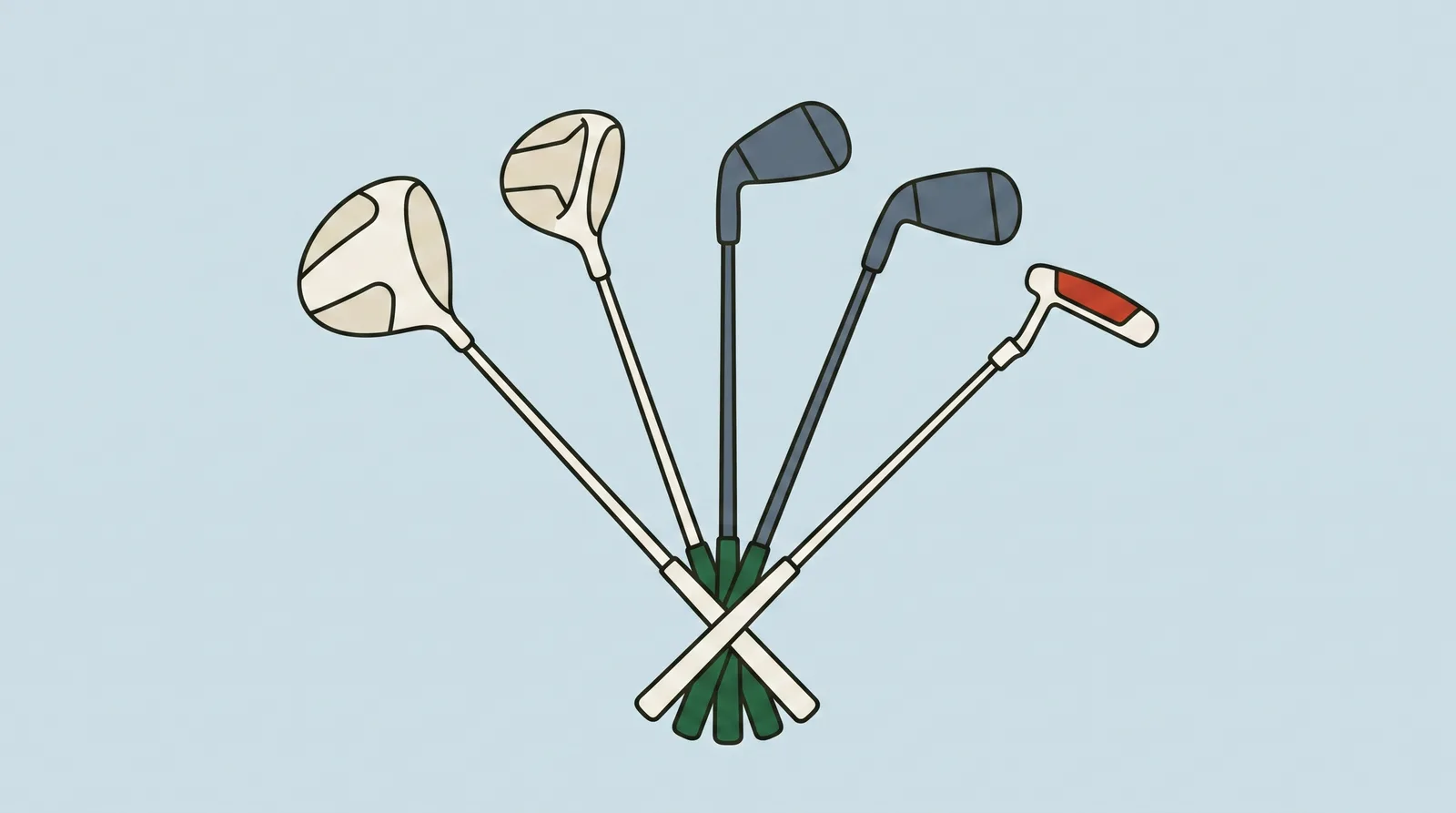
Buying your first set is the one golf purchase where spending more buys you the least. The equipment is not what is stopping you at this stage, and a £1,000 set will not go straighter than a £400 one in hands that have swung a club forty times. What a first set has to do is get the ball in the air, survive bad strikes, and not cost so much that you feel obliged to keep it after you have outgrown it.
The four sets, compared
All four are complete package sets, which means clubs and bag in one purchase. That is almost always the right format for a first set: buying clubs individually costs more, takes longer, and requires you to make decisions you do not yet have the information to make.
| Pick | Best for | Clubs | Irons | Shafts | Bag | Price |
|---|---|---|---|---|---|---|
| MacGregor CG4000 Complete Set | Most beginners, at the lowest sensible price | 11 clubs plus the bag | 6, 7, 8, 9, PW, SW | Graphite woods and hybrid, steel irons | Stand or cart depending on build | Around £310 |
| Wilson Prostaff SGI Complete Set | Slower swings and getting the ball airborne | 10 or 11 depending on build | 6, 7, 8, 9, PW, SW | Graphite throughout on most builds | Cart or stand depending on build | Around £409 to £499 |
| Cobra Fly XL 2 Complete Set | A driver you can still use in three years | 11 or 13 depending on build | 6, 7, 8, 9, PW, SW | Graphite woods with steel irons, or graphite throughout | Stand or cart depending on build | Around £570 to £750 |
| TaylorMade RBZ Complete Set | Spending once and keeping it for years | 11 pieces, or 10 in the ladies build | 6, 7, 8, 9, PW, SW | Steel and graphite, or lightweight graphite throughout | Cart bag | Around £929 to £1,199 |
The differences between these matter less than the differences within any one of them will matter in three years. Pick on shaft material and flex first, price second, and treat the badge as close to irrelevant.
MacGregor CG4000: the cheapest sensible answer
The MacGregor CG4000 is the least you can spend without buying something that will actively work against you, and the reason it earns the slot is what it leaves out rather than what it includes. There is no 3, 4 or 5 iron. Those clubs have around 20 to 26 degrees of loft on a small face, which means they need both speed and a precise strike to get airborne at all. In a beginner's bag they produce low skidding shots that go shorter than a 7 iron, and they are the clubs that make people give up.
In their place sits a 24° 5 hybrid, which carries similar loft on a wider, lower-slung head that launches easily at low swing speeds. That single substitution does more for a beginner's scoring than any amount of extra spend elsewhere in the bag. The 18° 5 wood above it is the same idea again, and an easier club than the 3 wood most sets put there. Our guide to what clubs a beginner needs covers why the short bag beats the full one in more detail.
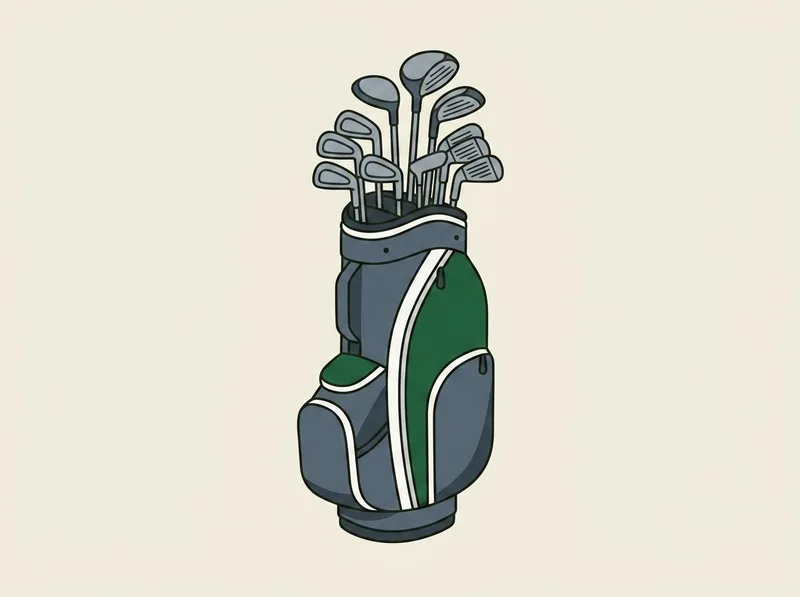 Around £310
MacGregor CG4000 Complete Set
- Clubs
- 11 clubs plus the bag
- Irons
- 6, 7, 8, 9, PW, SW
- Woods
- Driver, 18° 5 wood, 24° 5 hybrid
- Shafts
- Graphite woods and hybrid, steel irons
- Bag
- Stand or cart depending on build
- Flex
- Regular, plus a ladies build
- The club selection is genuinely the right one. No 3, 4 or 5 iron to fail with.
- A 24° 5 hybrid instead of a long iron, which is the most useful substitution in a starter set.
- Cheap enough that outgrowing it in two years costs you almost nothing.
- Steel iron shafts are heavier than a slow swing really wants.
- The putter is the weakest club in the bag and the one you will use most.
- No published loft, lie or length table, so the specifications cannot be checked before buying.
VerdictThe default answer for a beginner who wants to start playing this month without thinking hard about it. The club selection is right, five builds are offered at one price, and at about £310 it is low enough to be a genuinely low-risk decision. Nothing in it will hold you back for two seasons. Budget separately for a putter.
At about £310 against a £330 recommended price, five builds are offered at the same money: steel, graphite, a plus one inch length, a left handed version and a ladies build. That is more choice than most sets twice the price, and length is the specification worth having a choice about.
The weak point is the putter, and it is a real one. Shot Scope's putting data by handicap shows high handicappers regularly taking more than 38 putts a round, which is more strokes than the driver and every iron combined. Every set on this page treats the putter as a giveaway. Budget £60 to £110 separately and see our beginner putter picks.
What you give up against the Wilson below is graphite iron shafts and a published specification table. If your swing speed is on the slower side, that first one is worth the extra hundred pounds.
Wilson Prostaff SGI: the one for slower swings
SGI stands for super game improvement, and in this case the label is accurate rather than marketing. The soles are wide, the lofts are strong, and the whole set is built around getting the ball airborne without much clubhead speed behind it.
The graphite shafts are the real argument for the Wilson Prostaff SGI Complete Set. Steel iron shafts weigh roughly 40 to 50 grams more per club than graphite, and that weight has to be accelerated by you. If your swing speed is under about 80 mph with a driver, graphite through the set is not a luxury, it is the difference between a set that works and one that fights you.
One naming note before you go looking for it. UK retailers now list this set as the Wilson Profile rather than the Prostaff SGI, and the older Prostaff listings that remain are mostly showing as sold out. It is the same package: a 10.5° driver, a 15° 3 wood, a 23° 5 hybrid, irons from 6 through sand wedge, a putter and a bag. Prices run from about £409 for the steel and graphite build to about £479 for graphite throughout, with a plus one inch build at about £459 and a left handed build at the same money. Recommended prices reach £549, so it is usually discounted.
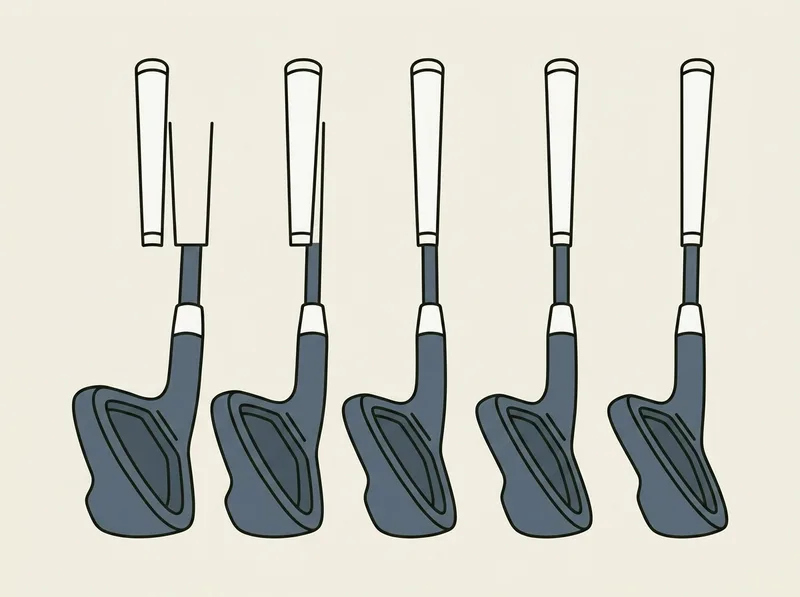 Around £409 to £499
Wilson Prostaff SGI Complete Set
- Clubs
- 10 or 11 depending on build
- Irons
- 6, 7, 8, 9, PW, SW
- Woods
- Driver, 3 wood, hybrid
- Shafts
- Graphite throughout on most builds
- Bag
- Cart or stand depending on build
- Flex
- Regular and senior
- Super game improvement irons in the literal sense. Very wide soles and a lot of loft.
- Graphite shafts throughout are lighter, which matters more than most beginners expect.
- Graphite iron shafts for about £100 more than the MacGregor, with a plus one inch build at no extra cost.
- Sold in the UK as the Wilson Profile rather than the Prostaff SGI, which makes it hard to search for.
- The wide soles that make it forgiving also make it look bulky behind the ball.
- Build and club count vary by retailer, so check the exact list before you buy.
VerdictThe set most UK beginners should actually buy, and the pick if your swing speed is on the slower side. The graphite shafts and the extra loft do real work getting the ball up, and at about £409 for the steel and graphite build it is the cheapest sensible set on this page by a clear margin. Budget separately for a putter.
Cobra Fly XL 2: buy it for the driver
The case for the Cobra Fly XL 2 Complete Set is that its driver and fairway wood are proper current-generation heads rather than the filler clubs that usually pad out a package set. Those are also the clubs you keep longest, because driver technology genuinely has moved in the last decade while wedge and putter technology has barely moved at all.
The UK build runs eleven pieces from about £569 against a £699 recommended price: a 10.5° driver, an 18.5° 5 wood, a 23.5° 5 hybrid, irons from 6 through a 45° pitching wedge, a 55° sand wedge, a blade putter and a four-way stand bag. A thirteen-piece build is about £699, graphite and ladies cart builds about £619, and there are nine variants in all, including a plus one inch length in both regular and stiff flex and a left handed build at no extra cost. That is the longest build list of any set here.
If you end up with a set that includes a long iron you cannot yet hit, leave it in the garage rather than the bag. The R&A's Rule 4.1b sets fourteen clubs as a maximum and no minimum at all, so a short bag is entirely legal.
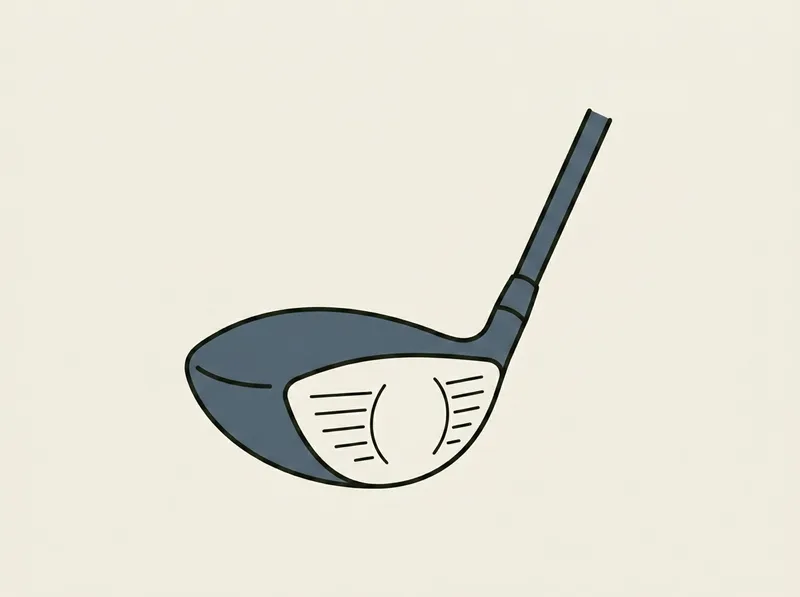 Around £570 to £750
Cobra Fly XL 2 Complete Set
- Clubs
- 11 or 13 depending on build
- Irons
- 6, 7, 8, 9, PW, SW
- Woods
- Driver at 10.5°, 5 wood at 18.5°, 5 hybrid at 23.5°
- Shafts
- Graphite woods with steel irons, or graphite throughout
- Bag
- Stand or cart depending on build
- Flex
- Regular or stiff, with a plus one inch build in both
- The driver is a genuine current-generation head rather than a filler club.
- Sensible gapping through the set with no obvious hole in the distances.
- Holds its resale value better than the budget sets when you trade it in.
- Roughly £160 more than the Wilson for a marginal first-season gain.
- One hybrid and a 5 wood, so the long end is thinner than the piece count suggests.
- The blade putter is the weakest club in the set and the one you will use most.
VerdictWorth the extra if you already know you are going to stick with golf, because the driver and woods are the parts of this set you will keep longest. Nine published builds also mean it is the one most likely to fit you off the shelf. If you are still deciding whether you enjoy the game, this is more club than the decision needs.
TaylorMade RBZ: the buy-once option
Lightweight graphite through the entire set, including the irons, and it is offered in a senior flex build that most package sets do not bother with. This is the set with the longest useful life of the four: you would still be playing it comfortably at a 15 handicap, where the Wilson starts feeling like a limitation somewhere in the low twenties.
Whether that is worth more than twice the Wilson is a question about you rather than about the clubs. If you have already played a handful of rounds on borrowed clubs and know you are staying, buying once is sensible. If your first round has not happened yet, you are guessing with an extra £520.
 Around £929 to £1,199
TaylorMade RBZ Complete Set
- Clubs
- 11 pieces, or 10 in the ladies build
- Irons
- 6, 7, 8, 9, PW, SW
- Woods
- Driver, 3 wood, hybrid
- Shafts
- Steel and graphite, or lightweight graphite throughout
- Bag
- Cart bag
- Flex
- Regular and senior, with a left handed build
- Lightweight graphite through the whole set, including the irons.
- The longest useful life of the four. This is a set you outgrow at around a 15 handicap, not a 25.
- Comes in a senior flex build, which most package sets do not.
- More than twice the Wilson, which is a lot to commit before your first round.
- The cart bag is heavy to carry if you walk.
- You are paying partly for the badge, and the badge does not hit the ball.
VerdictThe right call for someone who has already played a few rounds on borrowed clubs, knows they are staying, and would rather buy once. At £929 and up it is the most expensive set on this page by a wide margin. For a genuine day-one beginner that is far more money than the decision warrants, and the extra buys you very little in year one.
How to choose: the two things that actually decide it
Almost everything written about beginner clubs is about brand. Brand is close to the least important variable. Two specifications decide whether a set suits you, and both are easy to get wrong buying blind.
Shaft flex controls how much the shaft bends during the swing. Too stiff for your speed and you will struggle to launch the ball and to square the face, which is one of the quieter causes of a persistent slice. Almost no beginner needs stiff.
| Driver swing speed | Carry with a driver | Flex you want |
|---|---|---|
| Under 72 mph | Under 180 yards | Senior (A) |
| 72 to 84 mph | 180 to 210 yards | Regular (R) |
| 85 to 94 mph | 210 to 240 yards | Regular or stiff |
| 95 mph and up | 240 yards and up | Stiff (S) |
If you have never measured your swing speed, use the carry column instead. It is a rougher guide but it is one you can answer today. Our shaft flex guide goes through how to work it out properly and what happens when you get it wrong.
Length matters if you are notably tall or short. Standard package sets suit roughly 5 feet 6 to 6 feet 1. Outside that range a club that is too long or too short forces a compensation at address, and compensations at address become swing faults that outlive the clubs. What a club fitting actually measures is worth reading before you spend, even if you decide against paying for one.
Should you buy used instead?
For a first set, seriously consider it. Club technology at the game improvement end moves slowly, and a five-year-old forgiving iron performs close to identically to this year's model. A used set typically runs a third to a half of new.
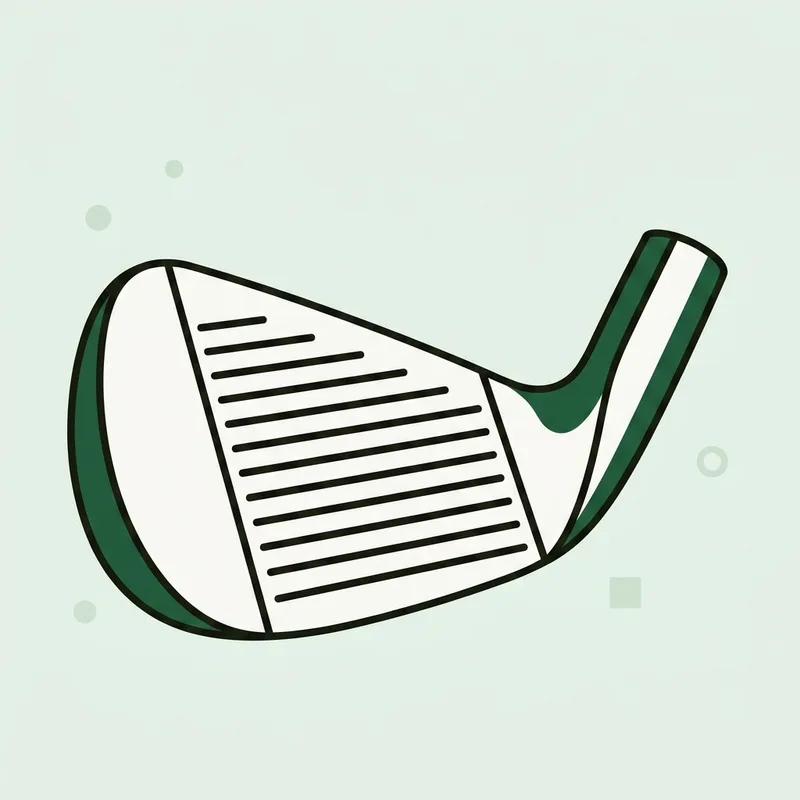
The two things to check are the grips and the grooves. Grips harden and go slick with age and cost about £10 a club to replace, so a set with dead grips is not the bargain it looks. Grooves wear from the centre of the face outward, and worn grooves cost you spin and control on wedges more than anywhere else. How to check a used set covers what to look at and what to walk away from.
What to spend, and what to spend it on
A complete first setup, buying sensibly:
- Complete set including bag: £310 to £600 new, or £180 to £380 used
- A putter worth using: £60 to £110
- Balls, tees and a glove: £25
- Shoes: £45 to £80 or trainers for the first few rounds
That is roughly £440 to £815 all in. What golf actually costs breaks down the first twelve months including green fees and practice, which is the larger number and the one people forget.
Balls are the other place beginners overspend. A premium urethane ball is built for spin control that requires a strike you do not have yet, and you will lose four a round for a while. Beginner golf balls covers what to play instead and why it makes no difference to your score.
What to add later, and when
Add clubs when a gap becomes a problem you can feel, not on a schedule. The usual first addition is a gap wedge, once you can control distance well enough to notice the 30 yard hole between the pitching wedge and the sand wedge. After that most people add a second hybrid or a 5 wood, then fill in the shorter irons.
By the time you are breaking 90 you will probably carry eleven or twelve clubs and be able to say why each one is there. That is a far better bag than fourteen clubs chosen for you on day one. If you are still working out what each club in a set is actually for, the club types guide is the place to start.
Key takeaways
- The Wilson Prostaff SGI, sold here as the Wilson Profile, is the right UK default at about £409: correct club selection, no long irons, graphite shafts.
- The MacGregor CG4000 has the same club selection for about £310, in five builds, if the budget is tighter.
- If your driver swing speed is under about 80 mph, the graphite build of that Wilson set is the one to take, at about £479.
- Shaft flex and club length decide whether a set suits you. Brand barely registers by comparison.
- Every package set treats the putter as a giveaway, and the putter is the club you use most. Budget for it separately.
- A used set costs a third to a half of new and performs close to identically at this level. Check the grips and the grooves.
- Fourteen clubs is a legal maximum, not a target. A short bag is legal, cheaper and easier to play.
- Four lessons will do more for your scores than £110 of extra club.
Common questions
What are the best golf clubs for a complete beginner?
In the UK, the Wilson Prostaff SGI, which retailers list as the Wilson Profile, at about £409. It has the right club selection for a beginner, leaves out the long irons that cause most early frustration, and costs little enough that replacing it after a couple of seasons is not a painful decision. The MacGregor CG4000 does the same job for about £310 in steel.
How much should a beginner spend on golf clubs?
Between £310 and £600 new for a complete set including the bag, or £180 to £380 used. Spending beyond that before you have played a full season rarely improves anything except how the bag looks. Put the difference into lessons.
Should beginners buy a full set of 14 clubs?
No. Fourteen is a legal maximum, not a target, and there is no minimum at all. Around seven to eleven clubs covers every shot a beginner can currently hit, and the clubs you skip are the hardest ones in golf to make contact with.
Are used golf clubs a good idea for beginners?
Yes, for a first set they are often the better buy. Forgiving irons have barely changed in five years, so a used set performs close to identically for a third to a half of the price. Check the grips have not hardened and the grooves are not worn flat.
What shaft flex does a beginner need?
Usually regular, and senior if your driver swing speed is under about 72 mph or you carry it less than 180 yards. Stiff shafts need more speed than most beginners have and tend to leave the face open, which produces a slice. If you are unsure, regular is the safer error.
Do beginners need graphite or steel shafts?
Graphite if your swing speed is on the slower side, steel if it is not and you prefer the feel. Graphite iron shafts are roughly 40 to 50 grams lighter per club, which is meaningful weight to accelerate when speed is the thing you are short of.
Is a complete package set better than buying clubs individually?
For a first set, yes. It costs less, it arrives in one go, and it does not require you to make specification decisions you do not yet have the information to make. Buying individually starts making sense once you know your own distances and misses.
Do I need to be fitted for my first set of clubs?
A full fitting is premature, because your swing will change substantially in the first year. A quick check on shaft flex and club length is worth doing, and most shops will do that free or as part of a purchase. Get fitted properly once your swing settles.
What is the most important club in a beginner's bag?
The putter, comfortably. It accounts for around a third of every shot you take, which is more than the driver and all the irons combined. It is also the club package sets treat as an afterthought, so it is the one worth buying separately.
How long will a beginner set last before I outgrow it?
Two to four seasons for most people, or until roughly a 20 handicap. Lighter, better-specified sets stretch that further. The parts you outgrow first are usually the putter and the wedges, and those are the cheapest parts to replace.
Should women buy a women's specific set?
Not automatically. The useful differences are shorter length, lighter weight and softer flex, and those are specifications rather than a category. If you are taller than about 5 feet 7, a standard set in a senior or regular flex will often fit better than a women's build.
How we put this together
- Published manufacturer specifications for each set, taken from the maker's own listing rather than a retailer's summary.
- The fitting logic a beginner set has to satisfy: enough loft to launch the ball, a wide sole that survives a fat strike, and a shaft flex matched to a swing speed under about 85 mph.
- Shot Scope's published amateur datasets for how often each club actually gets used, which is what decides whether a set's club selection is sensible or padded.
- Which sets are sold in fitted lengths and flexes, because a set that only comes one way is unusable outside a fairly narrow height range.
On this page
- The four sets, compared
- MacGregor CG4000: the cheapest sensible answer
- Wilson Prostaff SGI: the one for slower swings
- Cobra Fly XL 2: buy it for the driver
- TaylorMade RBZ: the buy-once option
- How to choose: the two things that actually decide it
- Should you buy used instead?
- What to spend, and what to spend it on
- What to add later, and when
- How we put this together

Tom Ashworth
Tom Ashworth is a PGA Professional who has taught golf since 2012, working mainly with beginners and mid-handicappers at club level in Surrey. He reviews the instruction guides on Learn Golf for technical accuracy before they publish.
Most of his teaching is with players in their first three years of the game, and most arrive having been told too much: six swing thoughts collected from videos, half of them contradicting each other. His approach is to check the grip and the alignment before touching the swing, on the basis that most bad ball flight is decided at address.