7 Best Used Irons for High Handicappers: The Biggest Saving
An iron set is the biggest single purchase in a golf bag, which makes it where second hand buying saves the most and where a worn set quietly costs the most. Condition decides which of the two you get.
Some links here earn us a commission at no extra cost to you. It never changes what we recommend or the order we rank it. How this works.
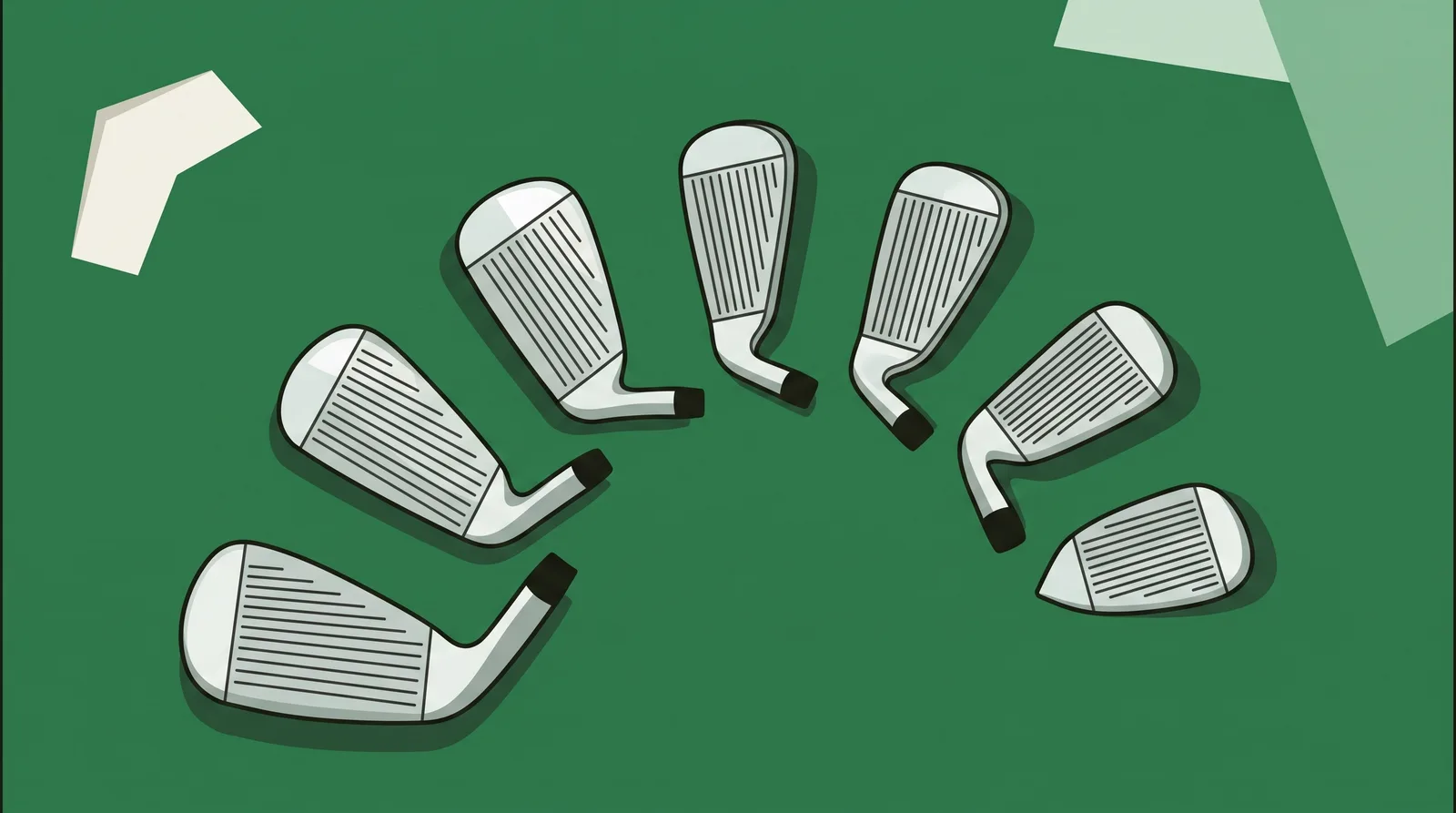
No purchase in golf costs more than an iron set, and no clubs care less which year they were made. That combination makes irons where second hand buying saves the most, and grooves and shafts make them where condition matters most. Here are seven used iron sets worth a high handicapper's money, what each should cost, and the checks that protect the saving.
Why irons are where used buying saves most
An iron set is seven or more clubs bought in one decision, the biggest single ticket in the bag. A current game improvement set starts at £999 in steel at UK retail and clears £1,040 in graphite; every set on this page costs £180 to £620, and most sit under £400.
The performance gap does not justify the price gap: forgiveness comes from perimeter weighting, wide soles and low centres of gravity, all mature ideas, and the difference a 20 handicapper can use between a 2021 cavity back and a 2026 one is small. A £999 budget buys one of the current new game improvement irons sets; the same money spent second hand buys the irons on this page plus most of a bag around them.
| Route | What it costs | What that buys |
|---|---|---|
| Current game improvement set, new | £999 and up in steel | This year's release, a fitting, and all the depreciation ahead |
| Two to three year old flagship set, used | Around £280 to £620 | The same forgiveness ideas one name ago, with the depreciation already paid |
| Four to six year old super game improvement set, used | Around £180 to £350 | The most help per pound in golf, bought on condition rather than age |
The catch is that irons are the only clubs whose striking surface wears in a way that changes performance, so grooves, shafts and lies get read club by club before any money moves.
The seven, compared
The ranking runs on used value for a high handicapper: forgiveness, loft sanity, how light the common builds run, price against supply, and how likely a good honest example is to turn up.
| Pick | Best for | Set make-up | Used price | Launched | Shaft options | Price |
|---|---|---|---|---|---|---|
| Ping G425 Irons | The deepest used supply, the friendliest lofts and the least to go wrong | 5-PW and 4-9 the common used finds | Around £350 to £480 | February 2021 | AWT 2.0 steel, Alta CB Slate graphite | Around £350 to £480 |
| TaylorMade Stealth Irons | The cheapest route into a big, fast, modern face | 5-PW plus AW the common find | Around £280 to £400 | March 2022 | KBS Max MT85 steel, Ventus Red graphite | Around £280 to £400 |
| Ping G430 Irons | The buy-once set that follows a falling handicap down | 5-PW common, 4-PW around | Around £450 to £620 | January 2023 | AWT 2.0 steel, Alta CB Black graphite, HL builds | Around £450 to £620 |
| Callaway Rogue ST Max Irons | Maximum face speed and forgiveness, for buyers who read the suffix | 5-PW and 6-PW plus AW common | Around £300 to £430 | February 2022 | Elevate ST 95 steel, Cypher Black graphite | Around £300 to £430 |
| TaylorMade SIM2 Max Irons | The lowest price on a recent TaylorMade with nothing missing | 5-PW plus AW common | Around £250 to £350 | February 2021 | KBS Max MT85 steel, Ventus Blue graphite | Around £250 to £350 |
| Callaway Big Bertha B21 Irons | The set built specifically for the golfer who hits the ground first | 5-PW plus AW common | Around £220 to £320 | September 2020 | KBS Max 90 steel, RCH graphite common | Around £220 to £320 |
| Wilson Launch Pad 2 Irons | The lightest, most launch-assisted set here, when one turns up | 5-PW common, GW around | Around £180 to £280 | January 2022 | Mostly light graphite, ultralight steel around | Around £180 to £280 |
Ping G425: the used set that outlasts its price
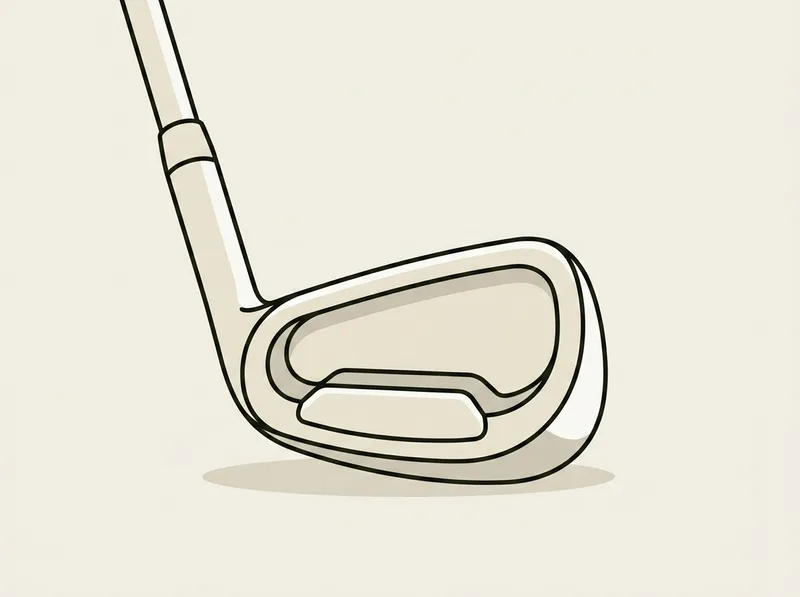
The Ping G425 irons launched in February 2021 and have been the safe answer on the used racks ever since. Supply is the deepest on this page, 5-PW and 4-9 sets both circulate freely, and a used set runs around £350 to £480 while leftover new stock still lists at £749.
The design suits this reader better than most of what replaced it: moderate lofts fly high enough to land soft and keep the gaps between scoring clubs honest. The stock AWT 2.0 steel is manageable rather than heavy, and Alta CB Slate graphite builds circulate for anyone needing lighter.
 Around £350 to £480
Ping G425 Irons
- Set make-up
- 5-PW and 4-9 the common used finds
- Used price
- Around £350 to £480
- Launched
- February 2021
- Shaft options
- AWT 2.0 steel, Alta CB Slate graphite
- Ping builds have a reputation for surviving their first owners, so a five year old set is usually honest rather than tired.
- Moderate lofts keep real gaps between the scoring clubs, which is where a high handicapper's strokes actually live.
- The deepest used supply on this page, so the right flex, make-up and condition can all be held out for.
- Five seasons old, so faces and grips at the bottom of the band have done real work.
- It holds value better than the TaylorMade and Callaway sets from its year, so it is never the cheapest option.
- The looks are function-first, and golfers who want a slim top line will not learn to love it.
VerdictThe best used iron buy for most high handicappers: forgiving, sensibly lofted and built to outlast a second owner. Judge any example by its 8 and 9 iron faces and the price is hard to argue with.
Age is the whole case against: five seasons is long enough for glazed grips and worn faces, so the checks later on this page matter most here. Judge any set by its 8 and 9 iron faces and walk away from smooth patches where grooves used to be.
TaylorMade Stealth: the budget route into a modern face
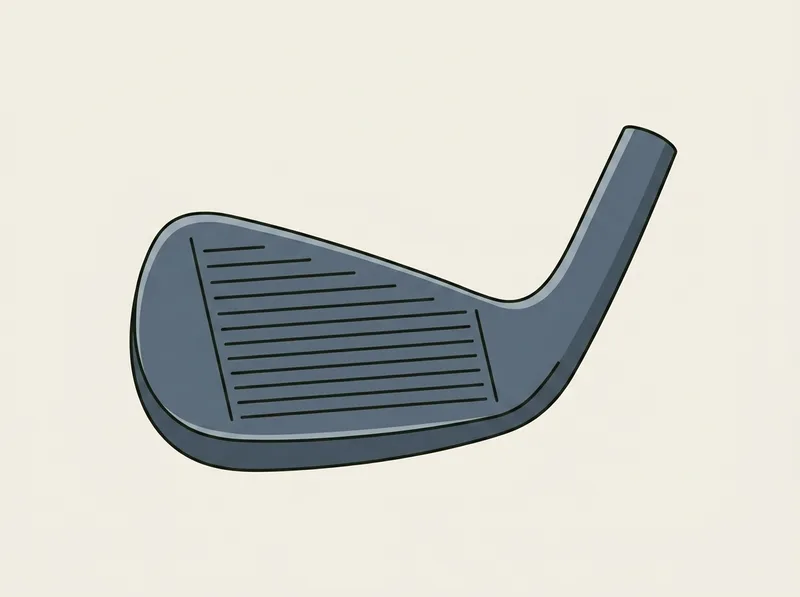
TaylorMade Stealth irons are the cheapest way on this page into a recent, big-brand game improvement set: March 2022 clubs at around £280 to £400, often with the approach wedge included. The tall face and generous sole are built for the thin, low strike that costs high handicappers most.
The stock KBS Max MT85 steel sits in the 85 gram class, unusually light, keeping the set swingable without the graphite premium, and regular flex is the most common used find rather than a special order.
 Around £280 to £400
TaylorMade Stealth Irons
- Set make-up
- 5-PW plus AW the common find
- Used price
- Around £280 to £400
- Launched
- March 2022
- Shaft options
- KBS Max MT85 steel, Ventus Red graphite
- Sold in huge numbers, so second hand supply is deep in exactly the regular flex builds this page's reader needs.
- A light 85 gram class stock steel shaft, which suits a slower swing without the price jump of graphite.
- The tall face and generous sole forgive the low strike that costs high handicappers the most shots.
- Strong lofts leave a wide gap between the pitching wedge and a sand wedge, so the approach wedge is not optional.
- The satin finish and painted cavity mark up easily, which makes cosmetic grading swing the price.
- Distance-first design flies lower and runs more than the Pings, which asks more of worn grooves into greens.
VerdictThe value pick when the budget is the argument: a recent, seriously forgiving set at the price of a mid-range trolley. Buy it with the approach wedge included and plan the gap at the bottom of the bag before the first round.
The trade-off is loft. Stealth lofts are strong and the gap between pitching wedge and sand wedge is too wide to ignore, so buy the set with its approach wedge or price one into the deal. The scoring end is where this set's saving can quietly leak back out.
Ping G430: the buy-once set
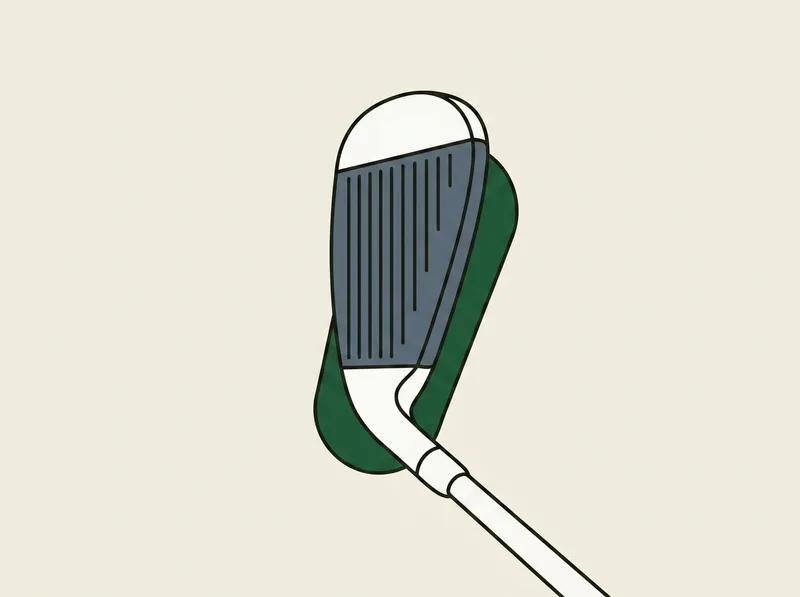
The Ping G430 irons are the newest set on this page and the most expensive, at around £450 to £620 used. The pitch: slightly stronger lofts than the G425 with a lower centre of gravity to keep flight up, the same durability, and grooves and grips young enough to be a non-issue.
Two builds matter. The standard set runs AWT 2.0 steel or Alta CB Black graphite; the HL pairs lighter heads with soft lightweight graphite, a genuine slower-swing build most brands never made.
 Around £450 to £620
Ping G430 Irons
- Set make-up
- 5-PW common, 4-PW around
- Used price
- Around £450 to £620
- Launched
- January 2023
- Shaft options
- AWT 2.0 steel, Alta CB Black graphite, HL builds
- Launches easily for a set that still keeps sensible lofts, which is the exact combination a high handicapper should pay for.
- The HL version pairs lighter heads with soft graphite, a genuine slower-swing build that most rivals never made.
- Recent enough that grooves, grips and shafts are usually a long way from tired.
- The most expensive set on this page used, keeping well over half its new price.
- Owners keep them, so used supply is the thinnest of the three Pings and the right build can take weeks to surface.
- The money buys refinement over the G425 rather than a different category of forgiveness.
VerdictThe set to buy once and stop thinking about, because it will still fit when the handicap has fallen ten shots. Pay the premium only if the game has clearly stuck; otherwise the G425 above does the same job for £100 less.
The case against is price and patience: it keeps well over half its new value, owners hold on to them, and supply is the thinnest of the Pings here. Pay the premium only if the game has clearly stuck.
Callaway Rogue ST Max: huge forgiveness with small print
The Rogue ST Max was Callaway's volume seller of February 2022 and earns its place on pure forgiveness: tungsten low in the head and a machine-designed face keep mishits fast and straight beyond what the Pings manage. Used sets run around £300 to £430, usually in 5-PW or 6-PW with an approach wedge.
The small print has two parts. First, the strongest lofts on this page, which mean real distance but also a scoring end needing a gap wedge plan from day one. Second, the name covers four different irons and listings blur them: the Max and the wider, more offset Max OS suit a high handicapper, the Pro does not.
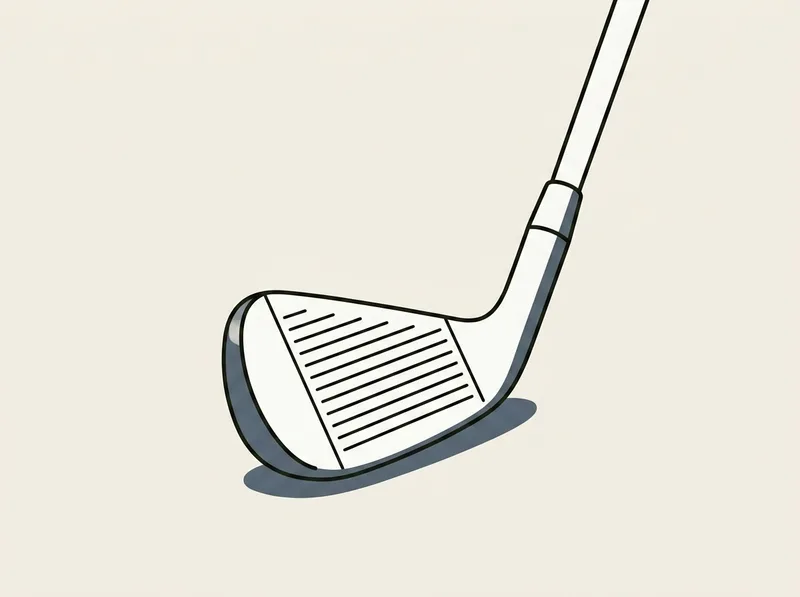 Around £300 to £430
Callaway Rogue ST Max Irons
- Set make-up
- 5-PW and 6-PW plus AW common
- Used price
- Around £300 to £430
- Launched
- February 2022
- Shaft options
- Elevate ST 95 steel, Cypher Black graphite
- Tungsten weighting and a machine-designed face make it one of the most forgiving irons of its generation on off-centre strikes.
- Sold everywhere in its year, so used sets in regular flex are plentiful and priced against each other.
- The Max OS sibling adds an even wider sole and more offset, and often costs no more second hand.
- The strongest lofts on this page, so the set needs a gap wedge plan or the scoring end develops a hole.
- Four versions share the Rogue ST name and listings blur the suffixes, so the wrong head is one careless read away.
- The fast face turns distance on and off between strikes more than the Pings, which some golfers never trust.
VerdictA very forgiving set sold under a confusing name: the Max and Max OS suit this page's reader, the Pro does not. Read the listing twice, budget for a gap wedge, and it is strong value.
Read the suffix twice before paying. The Max OS is often the better fit for this reader and frequently costs no more, one of the quiet bargains of the used iron market.
TaylorMade SIM2 Max: the price floor for a recent set
The SIM2 Max is the Stealth's design one generation earlier, from February 2021, and the used market prices it accordingly at around £250 to £350. The recipe is the same: a big forgiving head, strong lofts, an approach wedge worth having, and the same light stock steel that makes the Stealth easy to swing.
This is where the price stops falling faster than the club ages: below this band, savings mostly buy wear rather than value.
 Around £250 to £350
TaylorMade SIM2 Max Irons
- Set make-up
- 5-PW plus AW common
- Used price
- Around £250 to £350
- Launched
- February 2021
- Shaft options
- KBS Max MT85 steel, Ventus Blue graphite
- Effectively the Stealth's design one generation earlier, at £30 to £60 less across the band.
- Deep supply from a big sales year, so condition can be shopped rather than accepted.
- The same light 85 gram class stock steel as the Stealth, which keeps the whole set swingable.
- A year older than the Stealth for a modest saving, and grooves and grips show it at the cheap end.
- Strong lofts carry the same wedge-gap homework as every distance iron of its era.
- The badging and paintwork wear faster than the head does, which drags the price of honest sets down with the scruffy ones.
VerdictThe sensible floor for this list: the point where the price stops falling faster than the club ages. Buy on face condition rather than the £30 saving over a Stealth, because at this end of the market condition is the spec that varies most.
Buy on condition rather than the £30 gap to a Stealth. Cosmetic wear drags honest sets down alongside the tired ones, so the cheap end of the band hides bargains and mistakes, and the difference is all in the faces.
Callaway Big Bertha B21: built for the golfer who hits the ground first
The Big Bertha B21 launched in September 2020 as an unapologetic super game improvement set: wide soles that skid instead of digging, heavy offset that buys the face time to square, and a deep centre of gravity that throws the ball up. For the golfer whose miss is fat, heavy or right, no newer set here fits better, and used sets run around £220 to £320, mostly in the light RCH graphite they were sold with.
That graphite-heavy supply is a feature: slower swings are the B21's whole audience, and the racks spare its buyer the usual hunt for a light enough build.
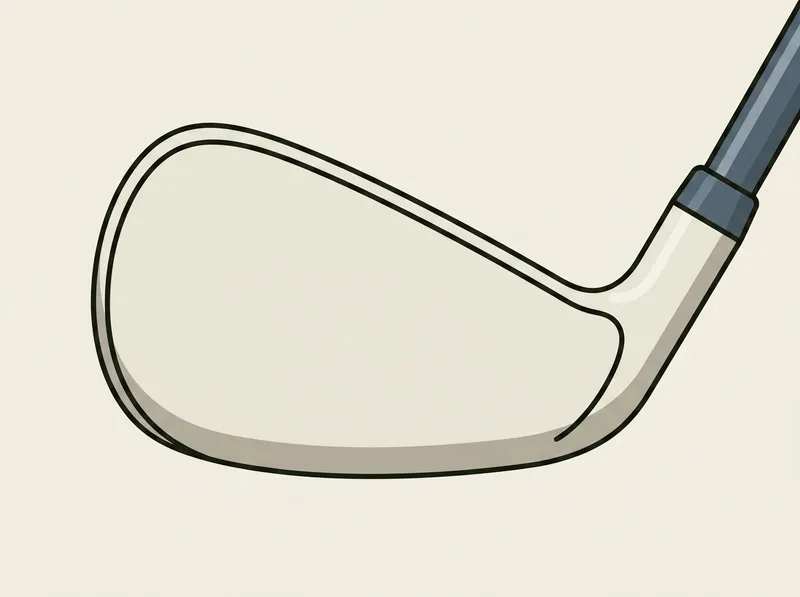 Around £220 to £320
Callaway Big Bertha B21 Irons
- Set make-up
- 5-PW plus AW common
- Used price
- Around £220 to £320
- Launched
- September 2020
- Shaft options
- KBS Max 90 steel, RCH graphite common
- A super game improvement design with wide soles and heavy offset, aimed at exactly the strike faults high handicappers actually have.
- Most sets were sold in light graphite, so slower-swing builds are the norm on the used racks rather than the exception.
- Six years of depreciation are already absorbed, leaving very little to lose while the swing improves.
- The oldest set here, so grooves, grips and finish need checking club by club rather than assuming.
- The heavy offset that rescues a slice also hides the face, and golfers who improve past it tend to want out.
- Resale is thin, so this is a set to use up rather than trade on.
VerdictOn pure fit for a struggling striker, this is arguably the best design on the page, and it ranks here on age and resale rather than on golf. Buy a clean one cheaply, wear it out, and feel no guilt.
It sits this low on age and exit, not on golf. Six seasons out, faces and finishes vary wildly, resale is thin, and the right way to own one is to buy cheap, use hard and replace without sentiment.
Wilson Launch Pad 2: the lightest set here, for the right swing
The Launch Pad 2 is the least conventional pick on this page: hollow, hybrid-like heads from January 2022 with soles that make the B21 look slim, sold mostly in very light graphite. For a slower swing that sweeps the ball, it turns fat strikes into playable shots better than anything else here, at around £180 to £280.
Lightness is a setting, not a virtue. A quicker tempo overpowers these builds and the flight balloons, so match this pick to a known swing speed before money moves.
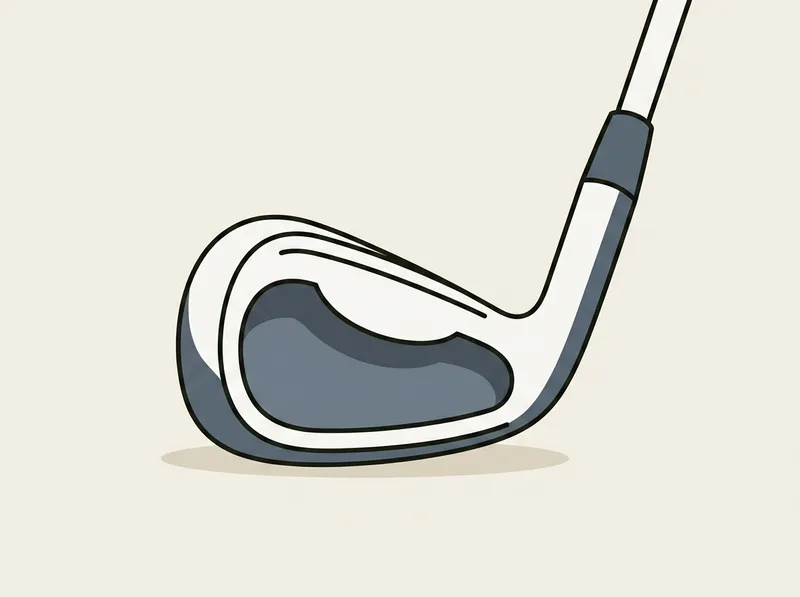 Around £180 to £280
Wilson Launch Pad 2 Irons
- Set make-up
- 5-PW common, GW around
- Used price
- Around £180 to £280
- Launched
- January 2022
- Shaft options
- Mostly light graphite, ultralight steel around
- Hollow, hybrid-like heads with huge soles get the ball up from strikes that other irons punish.
- The lightest overall builds on this page, which is a genuine advantage for slower and older swings.
- The cheapest entry point here, and it undercut its big-brand rivals when new too.
- The thinnest used supply on this page by a distance, so the search takes patience or luck.
- Very light builds punish a quick tempo, and a faster-swinging high handicapper will fight them.
- Resale is close to nil, so the exit is a donation rather than a trade-in.
VerdictFor a slower swing that sweeps the ball, this outperforms its position here, and the position reflects how rarely a good one surfaces second hand. If one appears in the right flex at the right price, it is the easiest golf on the page.
It sits last on supply: Wilson sells a fraction of what the big three sell in the UK and sets rarely reach the graded specialists. When one surfaces in the right flex, it is the easiest golf on the page.
The groove problem, honestly
It pays to understand groove wear rather than fear it. The R&A's equipment rules cap groove width at 0.9mm and depth at just over half a millimetre under Rule 2.5c, so grooves were never deep channels. On a clean, dry strike, friction between face and cover generates most of the spin; the grooves' job is clearing water and grass out of the way so friction can happen.
That is why groove wear shows up exactly where UK golf lives: wet mornings, damp fairways and shots from the rough. A worn face on a dry mat performs close to a fresh one; from wet grass it loses its bite and short irons that should check release through the back of greens.
Wear also follows use: the mid and short irons get hit most, so an 8 iron's face tells the truth about a set's life while the barely-used 4 iron flatters it. Even so, forums overstate the stakes for this reader. TrackMan's spin data puts a tour 6 iron at about 6,200 rpm, amateur swings spin it less from the same face, and the strokes a high handicapper loses to strike dwarf those lost to a softer check, which is why hitting irons better repays attention that groove anxiety does not.
The honest calibration: do not pay collector prices for pristine grooves, and do not dismiss them either, because British golf is wet golf for half the year. Buy the best faces inside the band and spend the attention saved on the checks below.
How to check a used iron set before you pay
A used iron set is seven clubs and seven chances for one to be wrong, so the inspection runs per club. The full routine for checking a used club applies to every iron; the set checks are below.
- Grooves, by sight and feel, on the short irons. Angle the 8 and 9 irons to raised light: fresh grooves show crisp edges, worn ones a polished patch in the strike area. A thumbnail drawn across the face should catch on every groove.
- Shaft consistency across the set. Every shaft should carry the same model, weight and flex label, and grips should match. One odd club means a reshaft after a break, fine when declared and priced, a red flag when hidden.
- Grips as a discount, not a dealbreaker. Glazed or cracked grips cost around £10 a club to replace, an honest £70 negotiating lever on a full set. Never reject a clean set over rubber.
- Lofts and lies drift. Cast heads bend over years of strikes, so gaps between clubs shrink or grow. A loft and lie bench check costs around £40 at any decent fitter and resets the whole set; price it in rather than fearing it.
- Hosels and ferrules. Heat marks, bubbled paint or proud ferrules say clubs have been pulled apart. Once is a repair; a set's worth is a rebuild wearing a badge.
Where you buy sets the risk. A private sale puts the whole inspection in your hands; a specialist that grades and authenticates second hand clubs checks faces and shafts before listing and backs them with returns, worth a modest premium on seven clubs at once. Weighing where to buy used clubs matters as much as the model, and the habits in buying used clubs safely apply to irons more than any other club; more money changes hands at once.
Steel or graphite for a slower swing
Shaft weight decides more about a used iron set than its badge. Steel in these sets runs from the 85 gram class past 100 grams, graphite roughly 45 to 75, and the difference compounds across a swing far more than head design does. High handicap does not mean slow swing: a 30 year old fighting a slice usually wants the steel, an older golfer losing carry each season the graphite.
The used market complicates it: regular steel is the deepest pool, graphite carries a premium and sells faster, and the lightest builds, the G430 HL and most Launch Pad 2 and B21 sets, are graphite-only in practice. Flex letters are not standardised between makers, so working out shaft flex from carry distance beats trusting a label chosen by the previous owner.
When the choice is marginal, take the lighter option: a high handicapper gains nothing from a shaft that arrives late, and every set here sold in enough regular flex that the right build costs weeks of waiting, not months.
Set make-up: the short irons decide the deal
Used sets are listed as 4-PW, 5-PW or 5-PW plus AW, the run of irons from longest club to pitching wedge and sometimes an approach wedge behind it. The instinct is to want the most clubs; the better instinct is to protect the short end and relax about the long end.
A missing 4 or 5 iron is close to a free pass, because most high handicappers should not be playing them anyway. The same second hand market sells used hybrids that replace both clubs for £40 to £80 each and forgive everything a long iron punishes. A missing 9 iron or pitching wedge is the opposite: they are the scoring clubs, matching singles are genuinely hard to source, and a set broken at the bottom is broken where it earns.
Combo sets, hybrids blended into a matched set at the factory, appear second hand and suit this reader when the specs run consistent through the set. When the irons are only the start of the problem, a full second hand starter bag solves driver, putter and bag in one purchase for less than a new iron set.
Which iron page you actually want
This page assumes a specific golfer: established swing faults, scores in the high 90s and beyond, and a budget with better uses than newness. A newer golfer shopping first irons should weight simplicity and shaft lightness ahead of bargain hunting, the same trade that decides the best irons for beginners. A golfer already down into the teens can afford slimmer heads, and the calculus shifts toward mid handicapper irons with less offset and more feel.
Key takeaways
- Irons are the biggest single purchase in the bag and where second hand saves most: £180 to £620 for these seven against £999 and up new.
- The Ping G425 is the pick at around £350 to £480: forgiving, sensibly lofted, durable and everywhere on the used racks.
- The Stealth and SIM2 Max are the budget routes, the G430 is the buy-once upgrade, and the B21 and Launch Pad 2 serve slower swings.
- Grooves matter most in wet grass and least on dry strikes, and short irons wear fastest, so judge every set by its 8 and 9 iron faces.
- Check shaft consistency across the set, treat worn grips as a £70 discount, and budget around £40 for a loft and lie reset on older sets.
- Protect the short irons in any set make-up; missing long irons are better replaced with used hybrids anyway.
- Walk past cheap forged players irons however good they look; the wide sole is the thing being paid for.
Common questions
Are 5 year old irons worth buying?
Yes, if the faces and shafts pass inspection. Iron design has moved slowly, so a 2021 set like the Ping G425 or SIM2 Max gives up little to a current one while costing a third of the price. Age arrives as wear rather than obsolescence: check short iron grooves, grips and shaft labels before paying.
How much should second hand irons cost?
Around £180 to £620 for the game improvement sets worth owning, against £999 and up new. A price far below a model's normal band usually means wear or a broken set rather than a bargain.
Do worn grooves matter?
Less than forums claim and more than sellers admit. On dry, clean strikes the face's friction does most of the spin work, and a worn set performs close to a fresh one. From wet grass and rough, worn grooves stop clearing moisture and short irons release instead of checking, which matters in UK conditions for half the year.
Are used irons a good idea for high handicappers?
They are the best value purchase in golf for high handicappers specifically. Forgiveness does not wear off a cavity back, iron sets are the biggest single ticket in the bag, and the saving funds lessons and balls, which move scores faster than newness. The condition is checking grooves, shafts and grips first.
What are the best used irons for a beginner?
The same sets, weighted further toward light shafts and simple builds: the TaylorMade Stealth at around £280 to £400 is the strongest beginner value, and the Wilson Launch Pad 2 suits a genuinely slow swing. A beginner who needs every club gets more from a complete second hand set than from irons alone.
Should a high handicapper buy used players irons if they are cheap?
No. Forged players irons look better and cost temptingly little three years on, but thin faces and narrow soles punish exactly the strikes a high handicapper hits most. The wide sole on a game improvement set is worth strokes every round, and no saving on a blade buys those strokes back.
Is a 4-PW or 5-PW set better second hand?
For most high handicappers, 5-PW plus an approach wedge beats 4-PW. The 4 iron is the hardest club in the set to hit, and a used hybrid replaces it for £40 to £80 with more forgiveness. The short end is what matters: never buy a set missing its 9 iron or pitching wedge; matching singles are hard to find.
Steel or graphite shafts in used irons?
Steel for normal swing speed, graphite when carry distance is fading or the swing is genuinely slow. The used market stocks regular steel most deeply, while the lightest builds, like the Ping G430 HL and most Wilson Launch Pad 2 sets, are graphite in practice. In doubt, lighter wins for this golfer.
Can worn grips and wrong lie angles be fixed cheaply?
Yes, and they are the two best negotiating levers in used buying. A regrip costs around £10 a club; a £40 loft and lie bench check resets gapping across all seven clubs. Neither should kill a deal on clean faces and matching shafts.
How we put this together
- Live UK second hand listings for every set in September 2026, which set each price band. No band is converted from another currency or carried over from launch coverage.
- Current UK retail prices for new game improvement sets, which set the saving every used set here is measured against.
- Set make-up, stock shaft options and regular flex availability for each model, because a high handicapper's set lives or dies on those three.
- Shot Scope's greens in regulation data by handicap, which sets how much stopping power this page's reader actually uses.
- The R&A Rules of Equipment limits on groove width, depth and spacing, which fix what a legal iron face can do new and what wear takes away.
On this page
- Why irons are where used buying saves most
- The seven, compared
- Ping G425: the used set that outlasts its price
- TaylorMade Stealth: the budget route into a modern face
- Ping G430: the buy-once set
- Callaway Rogue ST Max: huge forgiveness with small print
- TaylorMade SIM2 Max: the price floor for a recent set
- Callaway Big Bertha B21: built for the golfer who hits the ground first
- Wilson Launch Pad 2: the lightest set here, for the right swing
- The groove problem, honestly
- How to check a used iron set before you pay
- Steel or graphite for a slower swing
- Set make-up: the short irons decide the deal
- Which iron page you actually want
- How we put this together

Tom Ashworth
Tom Ashworth is a PGA Professional who has taught golf since 2012, working mainly with beginners and mid-handicappers at club level in Surrey. He reviews the instruction guides on Learn Golf for technical accuracy before they publish.
Most of his teaching is with players in their first three years of the game, and most arrive having been told too much: six swing thoughts collected from videos, half of them contradicting each other. His approach is to check the grip and the alignment before touching the swing, on the basis that most bad ball flight is decided at address.