7 Best Used Drivers for Beginners: Half-Price Flagships
A two or three year old flagship driver does almost everything the current one does at about half the price. No golfer is better placed to take that deal than a beginner, and no club rewards it like the driver.
Some links here earn us a commission at no extra cost to you. It never changes what we recommend or the order we rank it. How this works.
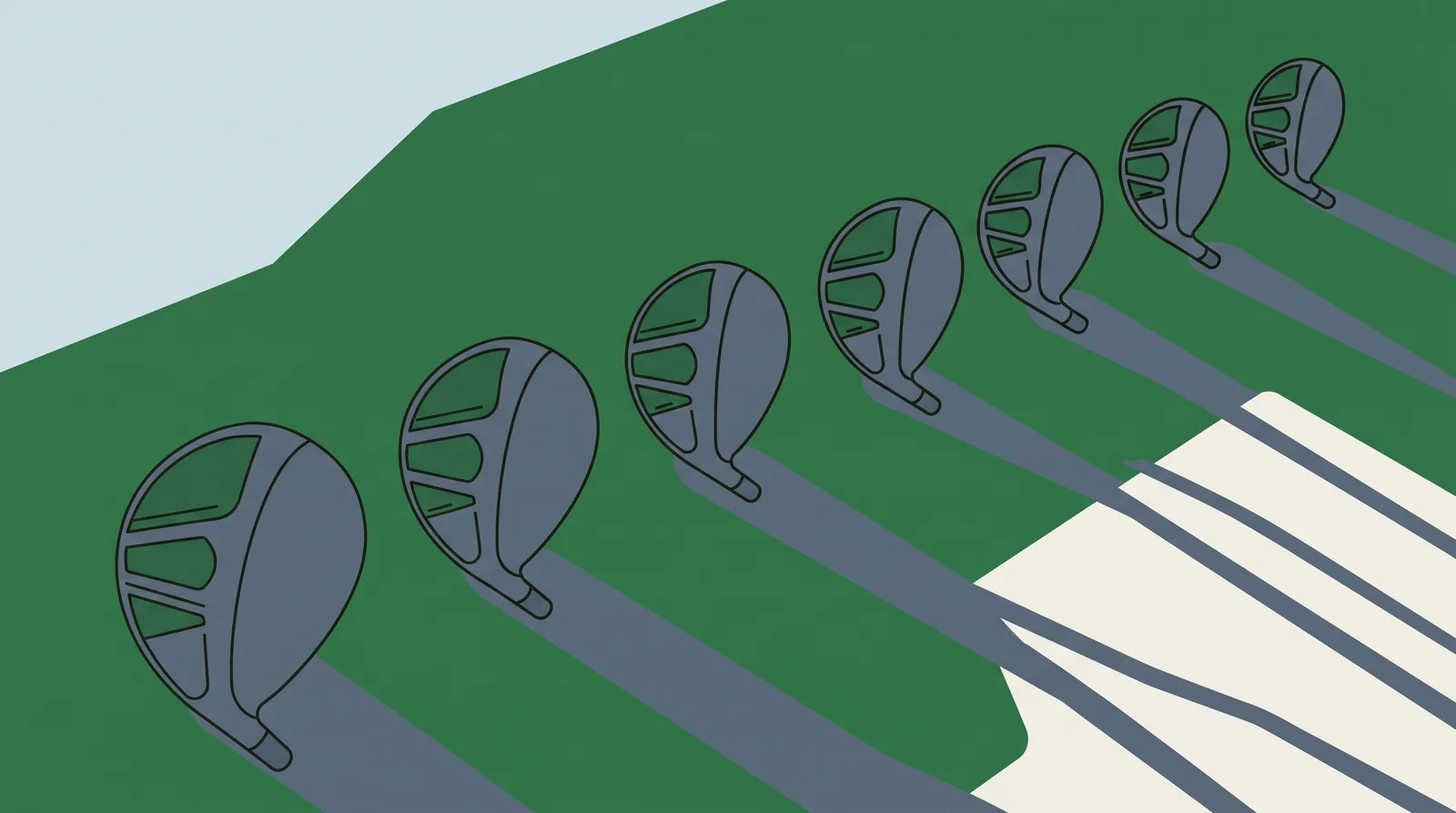
The most rational first driver on sale is not this year's model. Head design has been pressed against the same rulebook ceilings for years, so a two or three year old flagship gives up almost nothing to the club that replaced it and costs about half as much. Beginners outgrow a first driver anyway. Here are seven second hand drivers worth buying, and what each should cost.
Why the smart first driver is second hand
A driver is the most expensive single club in the bag and the one whose technology moves slowest. The R&A's equipment rules cap head volume at 460cc plus a small tolerance under Rule 2.4b(i) and club length at 48 inches under Rule 2.1c, and faces have sat hard against the spring limit for years. With the ceiling fixed, each new release changes far less than its launch copy suggests, while the price resets to full every winter.
The used market prices this honestly. Every driver on this page launched at £369 to £599 and now trades at a third to two thirds of that, with the biggest discounts on heads that have nothing worn out.
| Driver | UK launch RRP | Used price, September 2026 | Share of new price |
|---|---|---|---|
| TaylorMade Qi10 Max (2024) | £499 | Around £240 to £280 | About half |
| Ping G430 Max (2023) | £525 | Around £300 to £370 | About two thirds |
| Ping G425 Max (2021) | £450 | Around £200 to £290 | About half |
| Callaway Paradym X (2023) | £599 | Around £190 to £260 | About a third |
| TaylorMade Stealth 2 HD (2023) | £499 | Around £150 to £220 | Under half |
| Callaway Rogue ST Max (2022) | £479 | Around £150 to £230 | About a third |
| Cobra Aerojet Max (2023) | £369 | Around £145 to £210 | About half |
Beginners are the golfers best placed to collect that saving, because a first driver is temporary however much it costs: swing speed and strike change so much over two seasons that the club stops fitting long before it wears out. The new drivers worth a beginner's money already argue for buying last season's model at a discount, and second hand takes that logic further. Across a whole bag, the money for one new flagship builds an entire second hand starter set.
The seven, compared
The ranking runs on used value for a beginner, which is a different question from raw quality. It weighs forgiveness, the loft ceiling, how light the common builds run, what the club keeps of its launch price, and how easy a good example is to find.
| Pick | Best for | Launched | Used price | Lofts | Stock shaft | Price |
|---|---|---|---|---|---|---|
| TaylorMade Qi10 Max | The newest genuinely forgiving flagship, already at half its launch price | February 2024 | Around £240 to £280 | 9°, 10.5°, 12° | Fujikura Speeder NX TCS, around 50g in regular | Around £240 to £280 |
| Ping G430 Max | The used driver to buy once and keep beyond the beginner years | January 2023 | Around £300 to £370 | 9°, 10.5°, 12° | Ping Alta CB Black, around 55g in regular | Around £300 to £370 |
| Ping G425 Max | The proven budget pick from the last big step in forgiveness | February 2021 | Around £200 to £290 | 9°, 10.5°, 12° | Ping Alta CB 55 Slate, around 55g in regular | Around £200 to £290 |
| Callaway Paradym X | High launch and light builds for a swing still finding its speed | February 2023 | Around £190 to £260 | 9°, 10.5°, 12° | Aldila Ascent, 40g and 50g builds common | Around £190 to £260 |
| TaylorMade Stealth 2 HD | The light, high launching option once a slice is settled and certain | February 2023 | Around £150 to £220 | 9°, 10.5°, 12° | Fujikura Speeder NX TCS, around 50g in regular | Around £150 to £220 |
| Callaway Rogue ST Max | The cheapest recent forgiving head, for buyers who read listings carefully | February 2022 | Around £150 to £230 | 9°, 10.5°, 12° | Tensei AV Blue 55, with lighter Cypher builds around | Around £150 to £230 |
| Cobra Aerojet Max | The lowest cost of entry on this page, held back by thin used supply | February 2023 | Around £145 to £210 | 10.5°, 12°, plus hosel adjustment | UST Helium Nanocore around 50g, or heavier Kai'li builds | Around £145 to £210 |
TaylorMade Qi10 Max: the flagship that halved in two years
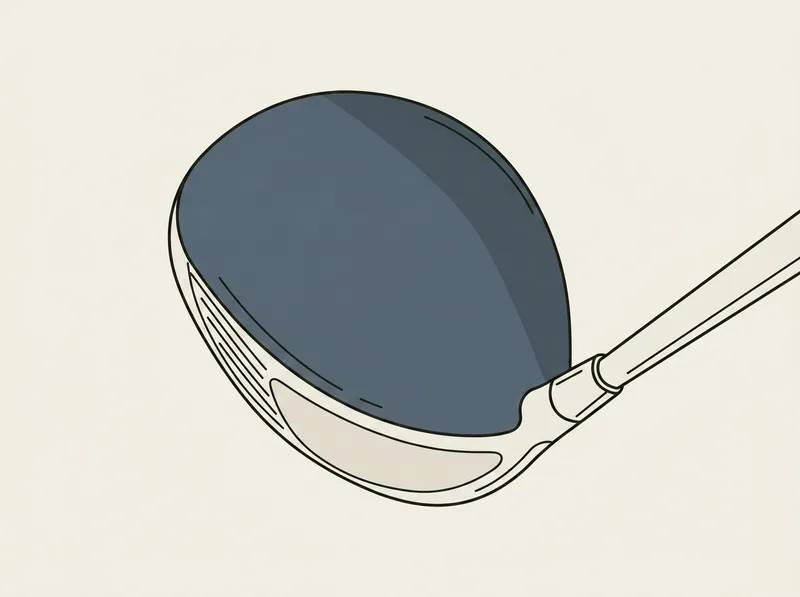
The TaylorMade Qi10 Max was built as the most forgiving driver TaylorMade had made, with its mass pushed as far back in the head as the designers could get it. It arrived in February 2024 at £499, and a graded example now costs around £240 to £280. That is the depreciation curve this page exists to point at, attached to a head with nothing worn out.
The spec sheet suits a beginner unusually well. Lofts run 9°, 10.5° and 12°, the stock Fujikura Speeder NX TCS sits around 50 grams in regular, and there is no sliding weight to inherit in the wrong position. The one trap is the family: the Qi10 LS and standard Qi10 share the same racks, and the LS in particular is a low spin head built for fast, centred swings. The word Max has to be on the sole.
 Around £240 to £280
TaylorMade Qi10 Max
- Launched
- February 2024
- Used price
- Around £240 to £280
- Lofts
- 9°, 10.5°, 12°
- Stock shaft
- Fujikura Speeder NX TCS, around 50g in regular
- Built as the most forgiving driver TaylorMade had made, and used prices reached roughly half the £499 RRP within two years.
- A 12° head in regular flex is a realistic used find rather than a special order, which is the exact build a beginner should want.
- The stock Speeder NX TCS is genuinely light, so a standard used example suits a swing that has not built speed yet.
- The newest head on this page, so it holds its price harder than anything below it.
- LS and standard versions outnumber the Max on the used racks, and neither is the one a beginner wants.
- Hosel adjustment covers only a couple of degrees, so buy the loft you need rather than planning to add it later.
VerdictThe rational first driver of the moment: a two year old flagship with its whole design spent on forgiveness, at about half what it cost new. Buy the Max specifically, in 10.5° or 12°, and walk past the cheaper LS heads it shares racks with.
Supply improves each month as first owners chase the newest release. A 12° head in regular flex is a realistic find rather than a special order, and that combination barely exists second hand in most driver families.
Ping G430 Max: the one to buy once and keep
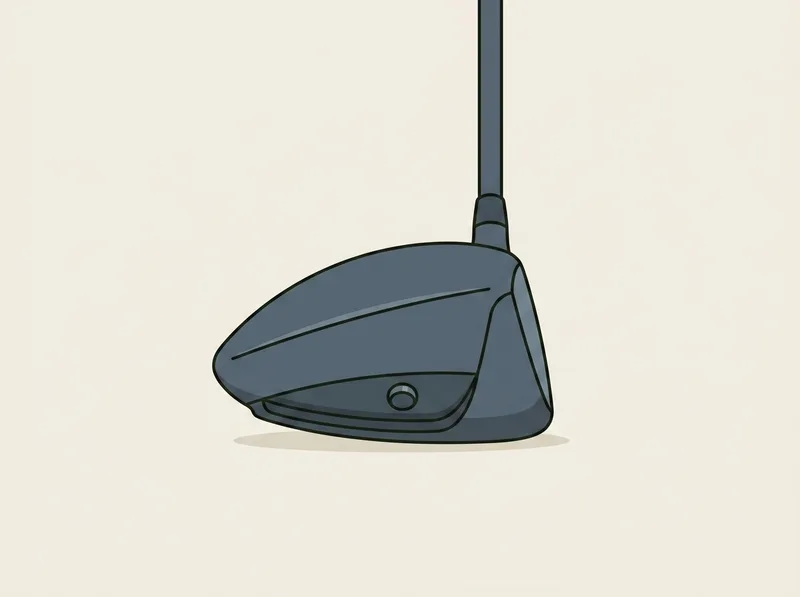
The Ping G430 Max is the most expensive club on this page used, and the reason is that nobody is in a hurry to sell one. Launched in January 2023 at £525, it still trades at around £300 to £370, the shallowest depreciation here. The market is saying something specific: this head does not get outgrown.
It earns that. The shape runs deep from face to back, the strike stays fast across more of the face than a beginner will ever test, and a small back weight moves between neutral, draw and fade, so a later-settling miss can be answered without changing club. Lofts run 9°, 10.5° and 12°, and the stock Alta CB Black is around 55 grams, manageable rather than featherweight.
 Around £300 to £370
Ping G430 Max
- Launched
- January 2023
- Used price
- Around £300 to £370
- Lofts
- 9°, 10.5°, 12°
- Stock shaft
- Ping Alta CB Black, around 55g in regular
- Ping builds carry a reputation for surviving their owners, so a three year old example is usually honest rather than tired.
- The back weight moves between neutral, draw and fade, which covers a miss that settles later without committing to a biased head.
- It loses value slower than anything else here, so the true cost of owning it for two seasons is small despite the price.
- The most expensive club on this page used, keeping around two thirds of its £525 launch price.
- A 55 gram counterbalanced shaft is manageable rather than light, and lighter builds are rare on the used racks.
- Its reputation keeps demand high, so bargains are scarce and a suspiciously cheap one deserves suspicion.
VerdictThe buy-once answer: stable, durable and adjustable enough to follow a beginner deep into their improvement. Pay the premium only if the game has clearly stuck, because the Qi10 Max above covers the first seasons just as well for less.
The case against is purely financial: the Qi10 Max above covers the first two seasons just as well for less. Pay the premium if the game has clearly stuck, because the club will survive every stage of improvement a beginner can throw at it.
Ping G425 Max: proven, plentiful and cheap
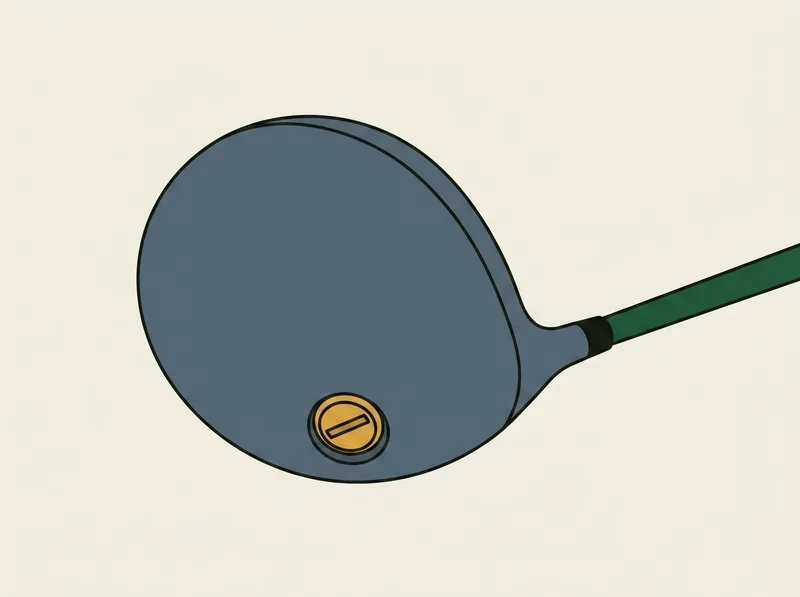
The Ping G425 Max made stability its entire argument in February 2021, and half a decade of golfers have agreed with it since. It cost £450 new and now sits at around £200 to £290 depending on condition, with the deepest used supply of anything here. Whatever loft and flex you need, somebody is selling it.
Age is the honest caveat, and it cuts both ways. Five seasons of depreciation are already absorbed, so there is little left to lose while you learn on it. Five seasons of use are also absorbed: grips are often glazed, faces have met range mats, and the pool spans one-owner garage finds and heads that have worked every weekend since launch.
 Around £200 to £290
Ping G425 Max
- Launched
- February 2021
- Used price
- Around £200 to £290
- Lofts
- 9°, 10.5°, 12°
- Stock shaft
- Ping Alta CB 55 Slate, around 55g in regular
- One of the most played drivers of its generation, so used supply is deep and the right loft and flex are easy to find.
- Stability on off-centre strikes was its entire design argument, and that is the quality a beginner cashes in most often.
- Five years of depreciation are already absorbed, so it has almost nothing left to lose while you learn on it.
- At five years old it sits at the outer edge of the window this page argues for, so grips and faces have seen real use.
- Condition varies more than anything else here, from one-owner garage finds to heads that have worked every weekend since launch.
- Ping's newer heads launch a little easier at the same loft, so the saving over a used G430 is the whole argument.
VerdictThe cheapest route here into a seriously forgiving head, and the pick when the budget also has to cover balls, shoes and lessons. Inspect the face and the grip before paying, because age is the only thing this club has wrong with it.
Buy on condition rather than price with this one. The difference between the bottom and top of the band is mostly the face and the grip, and a fresh grip is cheap enough to fold into the arithmetic.
Callaway Paradym X: the deepest discount on this page
The Paradym X launched at £599 in February 2023, the dearest club here by some way when new, and now trades at around £190 to £260. Nothing else on this page has shed value like it, and none of the reasons are about performance. Callaway moved quickly to the next family name, and the used market prices names rather than heads.
The head itself is close to ideal for a new golfer. It is built long from face to back for stability, launches high, and carries a gentle heel bias rather than a full draw setup. Lofts run 9°, 10.5° and 12°, and the stock picture is the best part: 40 and 50 gram Aldila Ascent builds were standard, so genuinely light used examples exist.
 Around £190 to £260
Callaway Paradym X
- Launched
- February 2023
- Used price
- Around £190 to £260
- Lofts
- 9°, 10.5°, 12°
- Stock shaft
- Aldila Ascent, 40g and 50g builds common
- Launched at £599, the dearest club on this page new, and now trades below every rival from its own year.
- A tall face, high launch and a gentle heel bias help the ball up without committing to a full draw head.
- The 40 gram Aldila Ascent stock option makes this the lightest standard build on the page where it turns up.
- The X is a small slice of the Paradym pool second hand, so the right loft can take weeks of watching the racks.
- The full carbon body sounds different from titanium at impact, and some players never warm to it.
- The heel bias is baked in, which is wasted money if a beginner's miss turns out to go left.
VerdictOn paper the best fit here for a slower starting swing: high launch, light shafts and the deepest discount from launch price. It sits just outside the top picks only because the X heads are genuinely scarce second hand.
It misses the top of this list for one reason: the X is a small slice of the Paradym family second hand, and most of what is listed under the name is the standard head or the Triple Diamond, both aimed at better players. The right X takes patience the two Pings and the Qi10 Max never ask for.
TaylorMade Stealth 2 HD: only for a settled slice
The Stealth 2 HD is the lightest, highest launching build of TaylorMade's February 2023 family, £499 new and around £150 to £220 used. The HD stands for high draw, and that is the entire decision. For a right hander whose ball has leaked right for two seasons, measured and repeatable, it is the cheapest recent head that actively helps.
For everyone else it is the wrong club bought at the right price. The Stealth family also carries one extra caution: its first generation of carbon faces picked up a reputation for cracking, so a graded example from a seller who will take it back matters more here than anywhere else on this page.
 Around £150 to £220
TaylorMade Stealth 2 HD
- Launched
- February 2023
- Used price
- Around £150 to £220
- Lofts
- 9°, 10.5°, 12°
- Stock shaft
- Fujikura Speeder NX TCS, around 50g in regular
- The lightest overall build of the Stealth 2 family, with high launch designed in rather than bolted on.
- Draw bias earns its keep once a slice is measured and repeatable, and this is the cheapest recent head that has it.
- It shared the standard Stealth 2's £499 launch price and consistently sells for less second hand.
- Draw bias is the wrong default for a new golfer whose misses still go in both directions.
- The first carbon face generation picked up a reputation for cracking, so grading and a returns policy matter more here than anywhere else on this page.
- HD heads are a small share of the Stealth 2 pool, so choice of loft and flex is thin.
VerdictA settled, measured slice makes this the value buy in draw-biased drivers. Without that certainty it is the wrong club at any price, and the neutral heads above it are safer money.
Callaway Rogue ST Max: the budget buy with a naming trap
Callaway sold the Rogue ST in four versions in February 2022, and that is both the opportunity and the problem. The Max, the one this page means, is a stable neutral head with nothing on the sole to set wrong, £479 new and now around £150 to £230.
The trap is everything else called Rogue ST. The Max LS is lower spinning and lower launching, the Max D is heavily draw biased, and listings routinely bury the suffix mid-title or drop it entirely. The second check is the shaft: the common Tensei stock build runs heavier than a new golfer wants, while the lighter Cypher builds are the ones worth hunting.
 Around £150 to £230
Callaway Rogue ST Max
- Launched
- February 2022
- Used price
- Around £150 to £230
- Lofts
- 9°, 10.5°, 12°
- Stock shaft
- Tensei AV Blue 55, with lighter Cypher builds around
- Four seasons of depreciation mean the bottom of the band sits near a third of the £479 launch price.
- A stable, neutral flagship head with no sliding weights and nothing on the sole to inherit in the wrong position.
- It sold in huge numbers in its year, so used supply is deep across every loft.
- Four near-identical siblings share the name, and the Max LS and Max D on the same racks are wrong for a beginner in opposite ways.
- The common Tensei stock build runs heavy for a swing without speed, so the shaft needs checking before the head.
- At four years old, grips, paint and faces carry real wear at the cheap end of the band.
VerdictThe bargain here, provided the listing says Max and nothing else after it. Budget for a fresh grip and read the shaft line carefully, because most of what is wrong with used Rogue STs is the build they come in rather than the head.
The head gives up little to anything above it, and the bottom of the band sits near a third of new price, but every pound of that saving is earned by reading the listing properly.
Cobra Aerojet Max: the value pick that takes patience
The Aerojet Max sits last on availability, not on golf. Cobra priced it at £369 in February 2023, well under every rival's flagship, so its used band of around £145 to £210 is the lowest cost of entry here to a modern forgiving head.
Heads come in 10.5° and 12° with more loft available at the hosel, a weight moves between a rear port and a heel port so a draw setting exists later without committing now, and the lighter stock builds sit around 50 grams. Nothing about the club explains the ranking.
 Around £145 to £210
Cobra Aerojet Max
- Launched
- February 2023
- Used price
- Around £145 to £210
- Lofts
- 10.5°, 12°, plus hosel adjustment
- Stock shaft
- UST Helium Nanocore around 50g, or heavier Kai'li builds
- A £369 launch price, well under every rival flagship, means the lowest used prices here without buying an old club.
- The 10.5° and 12° heads with more loft available at the hosel cover exactly the range a beginner needs.
- A weight moves between a rear port and a heel port, so a draw setting exists later without buying a biased head now.
- The thinnest used supply on this page: graded specialists often hold no Aerojet Max at all, so the search takes longer.
- Cobra heads shed value fastest here, which favours you on the way in and works against you when you upgrade.
- The eight-way hosel arrives however the last owner left it, and nothing on the club says which setting that is.
VerdictNothing about the club itself puts it at the bottom: it is forgiving, sensibly lofted and the cheapest way into this list. It sits last because finding one graded, in the right flex and condition, is the hardest search on the page.
Supply does. Cobra sells far fewer drivers in the UK than the three biggest brands, and graded specialists often hold no Aerojet Max at all, so the right loft, flex and condition take the longest to line up. The exit costs too: Cobra heads shed value fastest, which favours you on the way in and not when you sell to upgrade.

The generations worth buying, and the ones too old
The sweet spot is two to four years old: deep enough into the depreciation curve that the launch premium is gone, recent enough for current forgiveness, a light stock shaft and an adjustable hosel that matches shafts still in circulation. Every pick here sits inside that window, with the G425 Max at its outer edge.
Beyond about six years, the discount stops being a bargain and starts being a warning. Forgiveness took a real step around the turn of this decade as makers pushed mass backwards and stabilised faces, stock builds have grown lighter since, and old clubs arrive with old grips and no returns. A bargain-bin head from the mid 2010s usually costs its saving back in height and strike.
The exception is the golfer who cannot yet flight a driver at all. If a 12° head off a tee still refuses to fly, more driver is not the fix, and the same used market sells a second hand hybrid that covers tee shots while the swing builds.
How to check a second hand driver before you pay
Five checks separate a bargain from a liability, and none of them needs tools. Work through checking a used club in full before any private sale; the driver-specific version is below.
- Face first. Sight along it in raised light for creases, flattened spots or a crack line around the perimeter scoring. A worn face looks dull in the middle; a dangerous one shows a line or feels ridged under a thumbnail.
- Sky marks and crown chips. Marks on the crown's leading edge mean the club has been struck underneath the ball, which is cosmetic. Chips that expose weave or metal invite paint lift and say something about the previous owner.
- Rattles. A loose rattle when the head is shaken gently is sometimes stray glue and sometimes a failed internal fixing. It cannot be diagnosed from outside, so price it as a fault either way.
- Shaft pull evidence. Heat marks or bubbled paint at the hosel, a tip sitting proud of the adapter, or a grip logo twisted off centre all say the shaft has been pulled or swapped, so the listed shaft may not be what is fitted.
- The whole build. Confirm the shaft model, flex and length against the listing text, because on a used driver the shaft is half the purchase.
Counterfeits are why open marketplaces are the hardest place to buy a current-generation driver. Fakes of recent flagships now pass a casual inspection on weight, face markings and even adapter details, and they surface at exactly the too-good price that draws a beginner in. That is the argument for a specialist that grades condition and authenticates what it sells, for treating where you buy used clubs as seriously as what you buy, and for the wider habits in buying used clubs safely, which apply doubly at driver prices.
Loft and shaft: the two numbers that matter more than the model
Every head on this list is forgiving enough for a beginner, which means the real buying decisions are loft and shaft. Take 12° over 9° every time. TrackMan's launch angle data has the average male amateur launching the driver at 12.6° against 10.4° on the PGA Tour: better players launch it lower and survive it through speed and strike a new golfer does not have yet. Loft can come back down later once the strike is repeatable, and how attack angle changes driver loft is the test for when.
The shaft decides whether any of the head's forgiveness arrives at the ball. Light and regular is the beginner default: stock builds across this list run from about 40 grams on the lightest Callaway options to the mid 50s on the Pings, and lighter is almost always right before real speed exists. Flex letters are not standardised between makers, so estimating shaft flex from carry beats trusting the letter printed on a used shaft band.
Adjustable hosels with no manual
Most drivers here arrive with an adjustable hosel and no paperwork, and the markings are cryptic: a ring of letters and dots that differs by maker and by generation. Every manufacturer publishes its settings chart online, so decoding takes one search of the model name plus hosel settings. Do it before the first range session, not after a month of odd ball flights.
Two rules cover the rest. First, confirm the club is actually in its standard setting when it arrives, because the previous owner's two degrees flat is now yours and nothing on the club announces it. Second, leave it in standard until a coach or a launch monitor says otherwise; the free improvement in teeing the ball properly for a driver is larger than anything the hosel offers.
One buying detail follows from the hardware: an adapter only fits shafts tipped for that maker and generation, so a used head and a random used shaft are not a build plan. Buy the driver as a complete club unless a fitter is involved.
Key takeaways
- A two to four year old flagship at a third to two thirds of launch price is the most rational first driver; fixed equipment rules keep recent generations within touching distance of new ones.
- The TaylorMade Qi10 Max is the pick: around £240 to £280 for a two year old head designed entirely around forgiveness, with 12° and regular flex genuinely available second hand.
- The Ping G430 Max is the buy-once upgrade and the G425 Max the budget route; both are neutral, stable and easy to find in the right build.
- Avoid draw-biased heads, the HD, D and SFT suffixes, until a slice is settled and measured, however cheap they look.
- Take 12° over 9° and light regular over stiff: average amateurs launch the driver higher than tour players and need the loft to do it.
- Check face, crown, rattles and shaft history before paying, and buy current-generation heads from sellers who grade and authenticate, because convincing fakes cluster around these exact models.
- Confirm any adjustable hosel is in its standard setting on arrival; the last owner's settings travel with the club.
Common questions
Is a 5 year old driver still good?
Yes, comfortably. The R&A's limits on head size, length and face spring have pinned driver design for years, so a five year old flagship like the Ping G425 Max gives up very little to a current head. The risks of age are wear, not obsolescence: check face, grip and shaft before trusting the price.
How much should a used driver cost?
For the two to four year old flagships this page recommends, around £150 to £370 depending on age, brand and condition, against £369 to £599 new. Under about £150 you are usually buying an older generation or a condition problem. A price far below the bottom of a model's normal band is the classic counterfeit signal.
Are used TaylorMade drivers worth buying?
The Qi10 generation is one of the best used buys in golf: two years old, built around forgiveness and trading at about half its £499 launch price. The earlier Stealth family needs more care, because its first carbon faces earned a reputation for cracking, which makes grading and a returns policy matter. Buy the Max versions rather than the LS, and check the face on any carbon-faced head.
What is the best second hand driver for a beginner?
The TaylorMade Qi10 Max, at around £240 to £280 used. It pairs class-leading forgiveness with the two specifications beginners actually need, a 12° loft option and a light regular shaft, and graded examples are easy to find. The Ping G430 Max is the stronger buy if the budget stretches and the game has stuck.
How do you spot a fake driver?
With difficulty, which is the honest answer and the reason to buy from a specialist that grades and authenticates its stock. Convincing fakes of recent flagships copy weight, paint and even adapter markings, and cluster at too-good prices on open marketplaces. Privately, compare serial numbers and face detail against a known genuine example, and walk away from any deal that hinges on speed.
What loft should a beginner buy in a used driver?
Twelve degrees, or 10.5° at the lowest. TrackMan's benchmarks have the average male amateur launching the driver at 12.6°, higher than tour players, because slower swings need loft to keep the ball airborne. The used racks carry plenty of tempting 9° heads, and for a beginner they are cheap and wrong.
Do used drivers lose distance as they age?
Not through age alone. A driver face keeps its spring unless it cracks or creases, so a structurally sound older head performs much as it did new. What quietly costs distance on a used driver is the wrong build: too little loft, too heavy a shaft, or a damaged face that should have failed inspection.
Should a beginner buy a used draw bias driver?
Only with a season or two of evidence that the miss is a slice and nothing else. Before that, misses go both ways and a draw head makes the leftward half of them worse. Neutral heads from the same families cost the same or less second hand, which removes the only argument for gambling on bias early.
What should a used driver come with?
The headcover matters less than the wrench, and both matter less than the right shaft. A missing wrench is cheap to replace and every settings chart is free online, so pay no premium for accessories. What matters is that the shaft, flex and grip in the photos match the listing text, because that mismatch is where used driver deals go wrong.
How we put this together
- Live UK second hand listings for every model in September 2026, which set each price band. No band is converted from another currency or carried over from launch coverage.
- UK launch RRPs from each maker's UK release, used to measure what a used example keeps of its new price.
- Loft ceiling and typical stock shaft weight for every head, because getting a beginner's ball airborne depends on those two numbers more than on the model.
- TrackMan's club speed and launch angle benchmarks and Shot Scope's amateur distance data, which set the swing this page assumes.
- The R&A Rules of Equipment limits on head volume and club length, which fix the ceiling that makes recent driver generations interchangeable.
On this page
- Why the smart first driver is second hand
- The seven, compared
- TaylorMade Qi10 Max: the flagship that halved in two years
- Ping G430 Max: the one to buy once and keep
- Ping G425 Max: proven, plentiful and cheap
- Callaway Paradym X: the deepest discount on this page
- TaylorMade Stealth 2 HD: only for a settled slice
- Callaway Rogue ST Max: the budget buy with a naming trap
- Cobra Aerojet Max: the value pick that takes patience
- The generations worth buying, and the ones too old
- How to check a second hand driver before you pay
- Loft and shaft: the two numbers that matter more than the model
- Adjustable hosels with no manual
- How we put this together
Tom Ashworth
Tom Ashworth is a PGA Professional who has taught golf since 2012, working mainly with beginners and mid-handicappers at club level in Surrey. He reviews the instruction guides on Learn Golf for technical accuracy before they publish.
Most of his teaching is with players in their first three years of the game, and most arrive having been told too much: six swing thoughts collected from videos, half of them contradicting each other. His approach is to check the grip and the alignment before touching the swing, on the basis that most bad ball flight is decided at address.