Best Players Irons: Control, Feel and the Strike Test
A players iron is not a better iron. It is a narrower one, and it only pays back a golfer who finds the middle of the face often enough to notice what it gives them.
Some links here earn us a commission at no extra cost to you. It never changes what we recommend or the order we rank it. How this works.
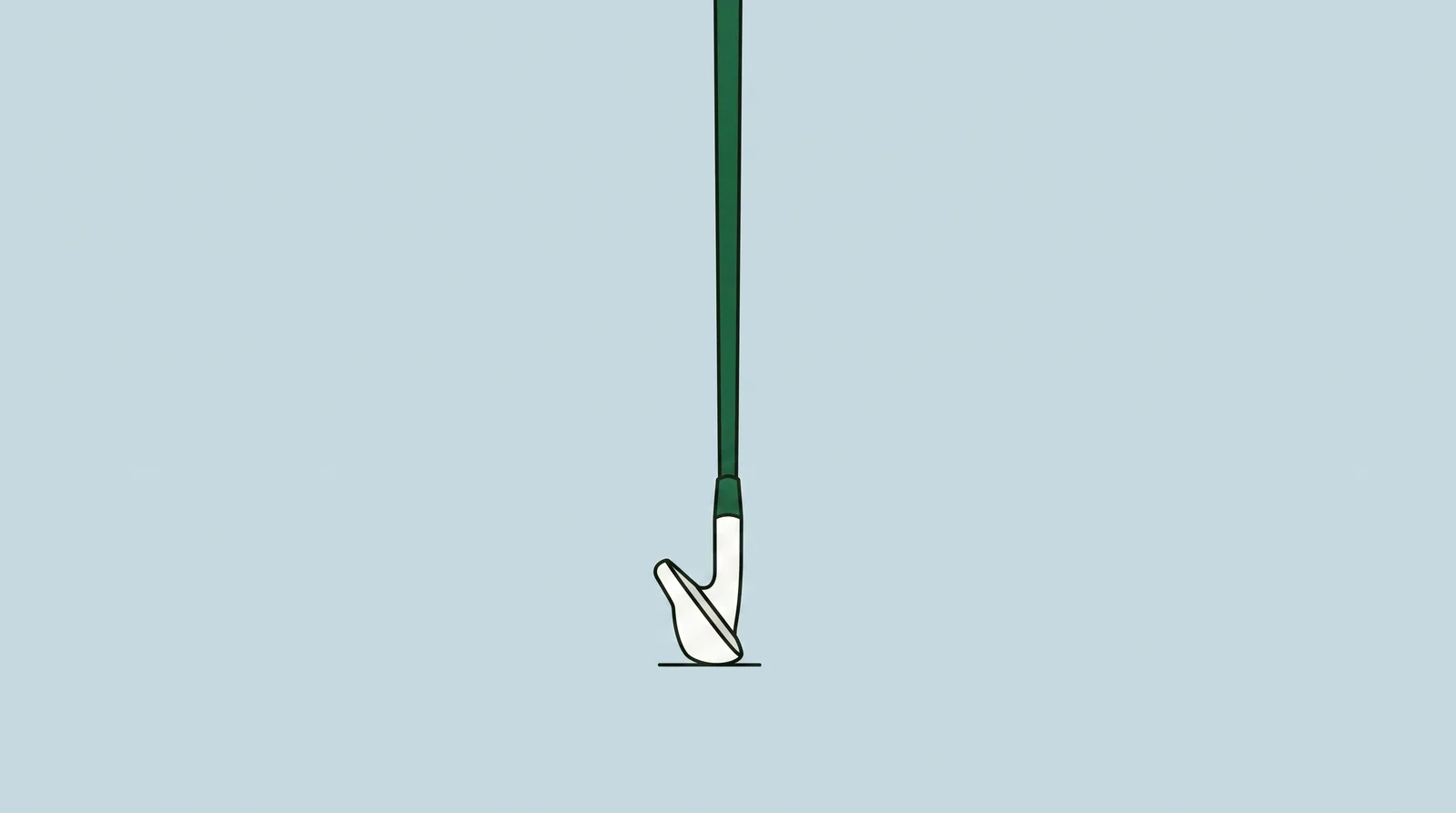
A players iron is not a better iron, and the category name has done more harm than any marketing claim inside it. What these sets actually offer is a thinner sole, less offset, a shorter head from heel to toe and traditional lofts, all of which are constraints rather than features. They pay back a golfer who finds the middle of the face, and they charge everybody else.
The four, compared
The defining numbers here are a 7 iron between 32 and 33 degrees, offset under 3 mm, a narrow sole and single figure bounce. That is roughly four degrees weaker and a third of the offset of a game improvement iron, and the head is visibly smaller behind the ball.
| Pick | Best for | 7 iron | Offset | Set | Construction | Price |
|---|---|---|---|---|---|---|
| Ping Blueprint S | A forged players cavity with every number published | 33.0° loft, 62.0° lie, 37 inches | 0.08 inch in the 7 iron, 0.02 inch in the PW | 3 iron to PW | Fully forged 8620 carbon steel, Precision-Pocket Forging in the 3, 4 and 5 | Around £1,100 to £1,200 for six irons, steel to graphite |
| Titleist T100 | The tour benchmark, and the shaft that comes with it | 33° | Not published where it can be read | 3 iron to W49 | Forged multi-material, split tungsten, progressive dual cavity | Around £990 to £1,190 for six to seven irons in steel |
| Srixon ZXi7 | Weak lofts and the most workable iron in its own range | 32° loft, 62° lie, 37.25 inches | 2.8 mm in the 7 iron, 0.8 mm in the SW | 3 iron to SW, with AW and SW included | i-FORGED, with Dynamic Gold Mid steel at 105g or 115g | Around £1,000 to £1,100 for six irons, steel to graphite |
| Mizuno Pro M-13 | Three forgings in one set, and the feel that follows | 32° loft, 62° lie, 37.25 inches | Not published on Mizuno's specification page | 4 iron to GW | Pocket Cavity in the 4 and 5, Micro-Slot in the 6 to 8, one-piece 1025 in the 9 to GW | Around £1,200 to £1,440 for six to seven irons in steel |
Note that three of the four are cavity backs of one sort or another, and none is a muscle back blade. That is not an oversight. The blade question is settled for almost every golfer including most good ones, and the genuinely interesting decisions in this category are about sole width, loft and construction rather than about whether the cavity exists.
Ping Blueprint S: forged, and fully documented
The Ping Blueprint S is a fully forged 8620 carbon steel head with a clean cavity, and Ping describe a patented Precision-Pocket Forging process that cuts a pocket into the cavity of the 3, 4 and 5 irons to save weight and add forgiveness where a compact head is weakest.
The specification is the fullest on this page. The 7 iron is 33.0 degrees, 62.0 degrees of lie, 37 inches long, 0.08 inch of offset and 8.0 degrees of bounce. Offset falls to 0.02 inch in the pitching wedge, which is close to none at all, and bounce runs from 4.0 degrees in the 3 iron up to 11.5 in the pitching wedge.
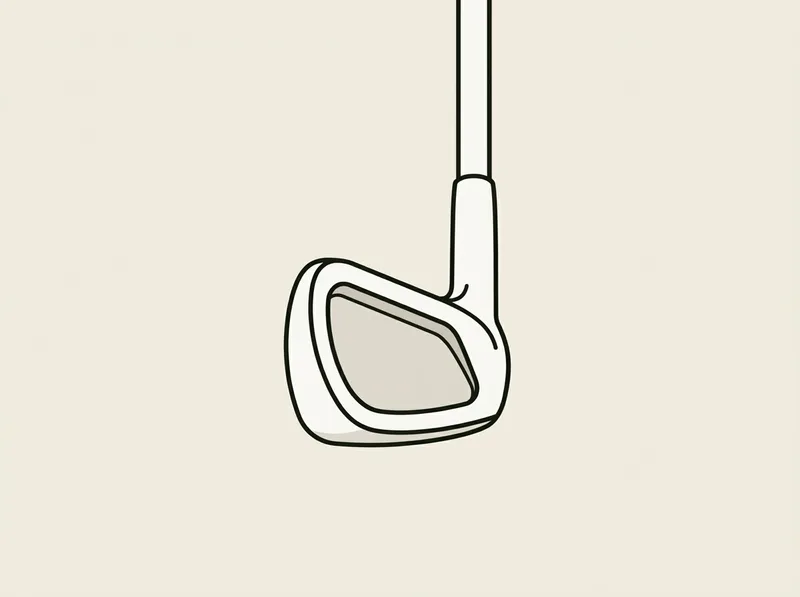 Around £1,100 to £1,200 for six irons, steel to graphite
Ping Blueprint S
- 7 iron
- 33.0° loft, 62.0° lie, 37 inches
- Offset
- 0.08 inch in the 7 iron, 0.02 inch in the PW
- Set
- 3 iron to PW
- Construction
- Fully forged 8620 carbon steel, Precision-Pocket Forging in the 3, 4 and 5
- Bounce
- 8.0° in the 7 iron, 4.0° in the 3 iron
- Pitching wedge
- 45.0°
- Loft, lie, length, offset, bounce and swingweight are published for every head, plus a stronger and a weaker loft build as fitting options.
- A pocket forged into the cavity of the 3, 4 and 5 irons puts forgiveness where a compact head struggles most, without changing the shape.
- Traditional lofts throughout, so the 7 iron is genuinely a 7 iron and the pitching wedge gaps into a 50 degree without a gap wedge purchase.
- Bounce runs from 4.0 degrees in the 3 iron to 8.0 in the 7, which is little help on soft turf or a steep attack angle.
- The set stops at a pitching wedge, so everything below it is bought separately.
- Ping build to order, which makes it harder to hit one before committing than the others here.
VerdictThe right buy for a good ball striker who wants to be fitted properly and would rather read a specification than a description. The narrow soles are the trade, and on soft parkland turf they ask more of your strike than the Srixon or the Mizuno do.
Those bounce figures are the thing to read carefully rather than skip. Four degrees in a 3 iron is a narrow, low bounce sole that will cut into soft ground, and a golfer with a steep attack angle on wet parkland turf will take deeper divots with this set than with anything else here. On firm links turf it is exactly right. The sole is the specification most likely to make or break this purchase and the one nobody discusses.
Traditional lofts are the other reason it leads. A 45 degree pitching wedge gaps into a 50 and a 56 without buying a gap wedge, which is a saving nobody advertises.
Titleist T100: the tour profile
The Titleist T100 is the most played players iron on tour and the construction reflects who it is built for. It is a forged multi-material head with split high density tungsten weighting and a progressive dual cavity, with a muscle channel added to the 3 and 4 irons for launch and more aggressive grooves in the mid and short irons for spin out of the rough.
Lofts are traditional and match the Ping almost exactly: a 33 degree 7 iron, a 45 degree pitching wedge, and a 49 degree W above it built to the same shape.
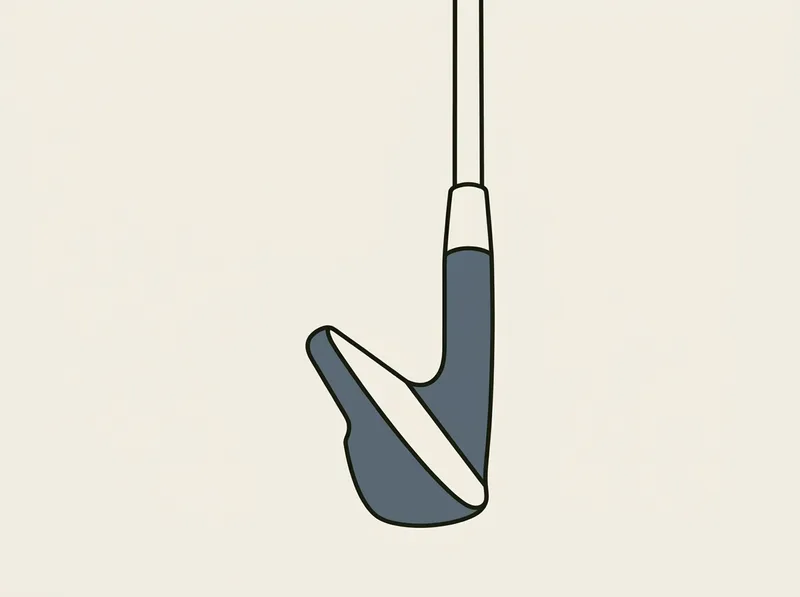 Around £990 to £1,190 for six to seven irons in steel
Titleist T100
- 7 iron
- 33°
- Offset
- Not published where it can be read
- Set
- 3 iron to W49
- Construction
- Forged multi-material, split tungsten, progressive dual cavity
- Pitching wedge
- 45°, with a 49° W above it
- Shafts
- True Temper AMT Tour White, low launch and low spin
- A muscle channel in the 3 and 4 irons and more aggressive grooves in the mid and short irons, so the set is built differently at each end.
- The stock shaft is stated and it is a specific choice: low launch, low spin steel in three flexes.
- The set continues into a 49 degree wedge built to the same shape, which is rare at this end of the market.
- Titleist refuse automated requests, so only the lofts, shafts and construction they announced could be read at source.
- Offset and bounce are not repeated here, and on a players iron those are two of the numbers you most want.
- Priced identically in the UK to Titleist's game improvement set, which tells you the price is a range decision rather than a materials one.
VerdictThe pick for a golfer who already knows they want a tour profile and a low spinning steel shaft. The paper trail is thinner than the reputation, so buy it through a fitter who will read the numbers off Titleist's own material in front of you.
The stock shaft is worth as much attention as the head. True Temper AMT Tour White is a low launch, low spin steel shaft, which is a deliberate pairing with a low spinning head and is wrong for a golfer who already flights the ball low. It is offered in three flexes and no graphite option appears in the launch material.
There is a gap in the row above and it is deliberate. Titleist's product pages refuse automated requests, so the lofts, shafts and construction here are the ones Titleist published themselves and nothing else. Offset and bounce for this set are not repeated on this page. On a players iron, where a millimetre of offset is visible at address, that is a genuine limitation rather than a pedantic one.
Srixon ZXi7: the weakest lofts, and the set that gaps itself
The Srixon ZXi7 sits at the top rung of Srixon's own published ladder, marked low handicap, low to mid forgiveness, high workability and mid distance. A maker rating their own flagship as the least forgiving thing they build is rare and it is useful.
The lofts are the weakest here by a clear margin. The 7 iron is 32 degrees, the pitching wedge is 46, and the set continues into a 51 degree approach wedge and a 57 degree sand wedge with 0.8 mm of offset. That is a whole bag of scoring clubs gapped by the manufacturer rather than assembled by you.
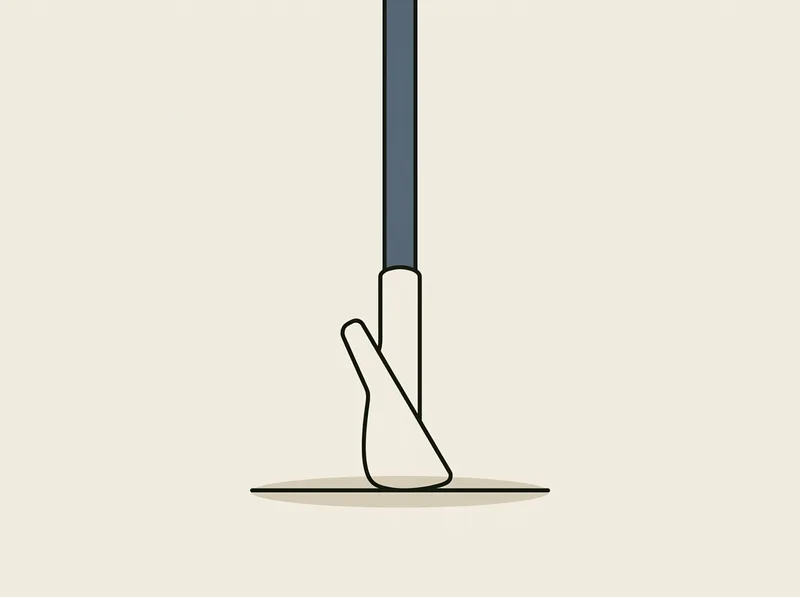 Around £1,000 to £1,100 for six irons, steel to graphite
Srixon ZXi7
- 7 iron
- 32° loft, 62° lie, 37.25 inches
- Offset
- 2.8 mm in the 7 iron, 0.8 mm in the SW
- Set
- 3 iron to SW, with AW and SW included
- Construction
- i-FORGED, with Dynamic Gold Mid steel at 105g or 115g
- Pitching wedge
- 46°, with a 51° AW and a 57° SW
- Rated
- Srixon place it at low handicap, high workability, low-mid forgiveness
- A 46 degree pitching wedge, the weakest here, which means the set gaps into its own 51 and 57 degree wedges with nothing missing.
- Srixon rate this model against their own range and mark it lowest for forgiveness and highest for workability, which is a manufacturer being blunt.
- The full specification table publishes offset for every head, falling from 3.7 mm in the 3 iron to 0.8 mm in the sand wedge.
- One stock shaft family in two weights, which is the narrowest choice here and steel only.
- No bounce figure is published for any club, on a set with narrow soles where it matters.
- Lowest forgiveness in Srixon's own range means exactly that, and a toe strike costs real distance.
VerdictThe right buy for a golfer who wants traditional lofts and a set that gaps itself all the way to a sand wedge. The single steel shaft family is the limitation, and if you need graphite this is not the set.
Offset is published for every club and falls from 3.7 mm in the 3 iron to 2.8 mm in the 7 and 0.8 mm in the sand wedge. What is not published anywhere is bounce, which on a set with soles this narrow is the figure that decides how it behaves on a slightly heavy strike.
The stock shaft is the limitation. One family, True Temper Dynamic Gold Mid, in 105g and 115g, with a Golf Pride Tour Velvet 360 grip at 52g. If you want graphite, or anything under 100 grams, this set requires a custom order.
Mizuno Pro M-13: three forgings in one set
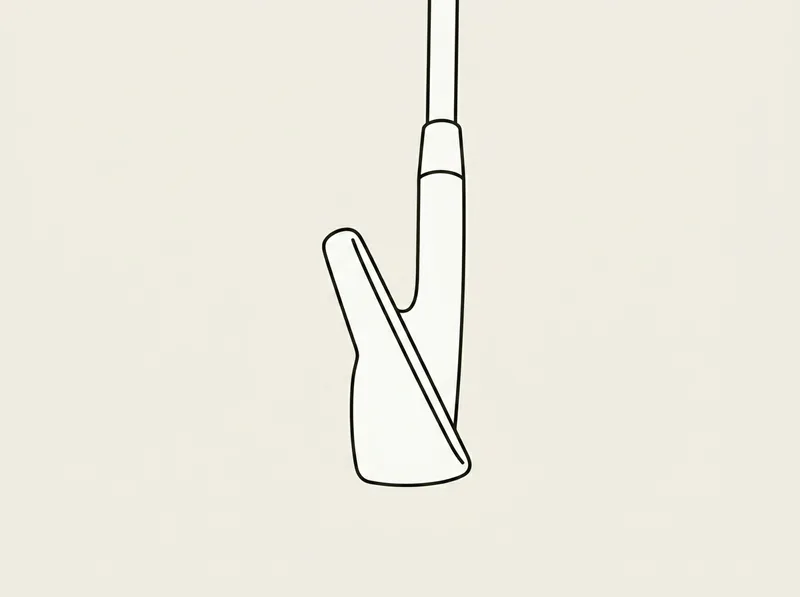
The M-13 is the successor to the Mizuno Pro 243 and it is built in three sections. The 4 and 5 irons use a Pocket Cavity Grain Flow Forged construction combining Chromoly 4120 with 431 stainless steel. The 6, 7 and 8 use a Micro-Slot Grain Flow Forged build with a face Mizuno state is 0.3 mm thinner than the previous generation. From the 9 iron to the gap wedge it is one-piece Grain Flow Forged 1025 Elite.
That is the whole argument for the set. Long irons get speed, scoring clubs get a solid forged head, and Mizuno claim a Contour Ellipse face at 1.37 mm, around 35% thinner than the Pro 243.
 Around £1,200 to £1,440 for six to seven irons in steel
Mizuno Pro M-13
- 7 iron
- 32° loft, 62° lie, 37.25 inches
- Offset
- Not published on Mizuno's specification page
- Set
- 4 iron to GW
- Construction
- Pocket Cavity in the 4 and 5, Micro-Slot in the 6 to 8, one-piece 1025 in the 9 to GW
- Bounce
- 5° in the 7 iron, 2° in the 4 iron
- Pitching wedge
- 44°, with a 48° GW
- Three separate forging constructions across one set, so the long irons get speed and the scoring clubs get a one-piece forged head.
- A Contour Ellipse face at 1.37 mm, which Mizuno state is around 35% thinner than the set this replaces.
- Bounce is published for every club and climbs from 2 degrees in the 4 iron to 9 in the gap wedge.
- Offset is not published anywhere on Mizuno's specification page, which is the one number missing from an otherwise full table.
- No stock shaft is listed, so the build depends entirely on who sells it to you.
- Two degrees of bounce in the 4 iron is close to none, and it punishes any strike that is not descending.
VerdictThe pick for a golfer buying on feel who wants the long irons to be easier than the badge suggests. The missing offset figure is odd on a set this well documented elsewhere, and worth asking a fitter to measure.
Bounce is published and it is the lowest on this page: 2 degrees in the 4 iron, 5 in the 7, 9 in the gap wedge. Two degrees is close to a flat sole, and it demands a descending strike from a decent lie. Offset is the number Mizuno leave off entirely, which is strange on a specification table that gives loft, lie, length and bounce for every club.
The strike test, before you spend anything
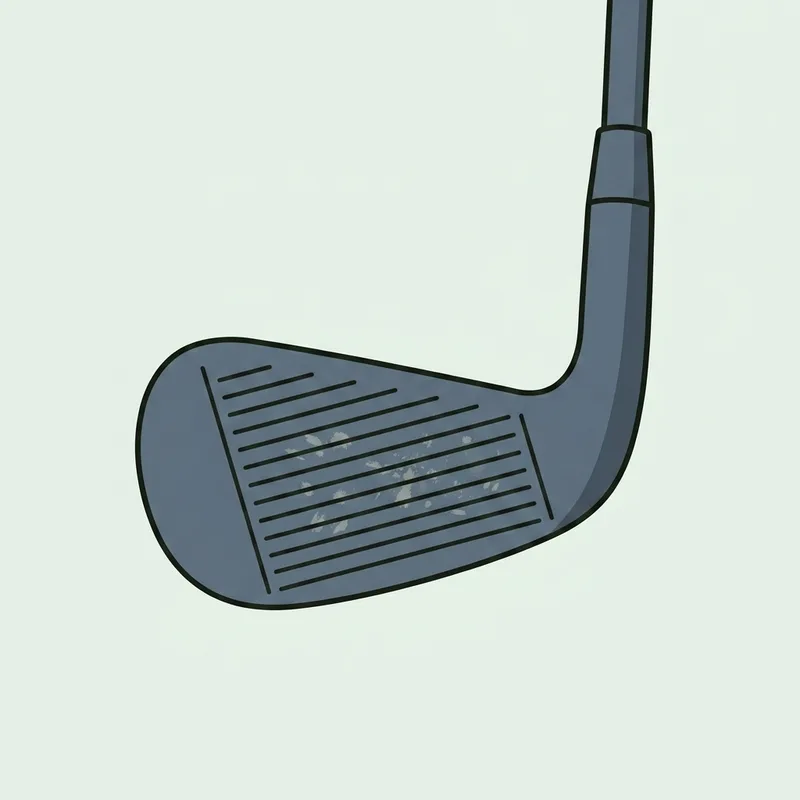
Every argument for this category assumes you find the middle of the face. That assumption is worth testing rather than believing, and the test costs the price of a can of impact spray.
Hit twenty 7 irons with the face marked. Count how many strikes sit inside a circle roughly the size of a coin in the middle of the face. If most of them do, the compact head is available to you and it will tell you things a larger one will not. If they are scattered from low heel to high toe, a smaller head simply makes those same misses cost more.
Fifty seven feet is nineteen paces. A good single figure amateur, hitting a mid iron from a normal approach distance, is on average leaving themselves a putt from the far side of the green. That number is the honest context for every claim about workability made in this category.
What you actually get, and what you do not
The category is sold on shotmaking and bought for four things, only one of which is shotmaking.
Trajectory control. Weaker lofts land steeper. A 33 degree 7 iron descends more sharply than a 28 degree one at the same speed and stops nearer where it pitched, which is worth more on a firm green than the six yards of carry you gave up.
Turf interaction. A narrow sole with low bounce cuts into the ground rather than skidding across it, which suits a shallow strike on firm turf and punishes a steep one on soft. It is the specification most likely to be wrong for you and the one that moves between summer and winter.
Feedback. A compact head with a thin face transmits a clearly different sensation from a toe strike than a centre strike. Whether that is worth the forgiveness is genuinely argued, and a can of impact spray gives you better information for a couple of pounds.
Shot shaping. Real, and smaller than the folklore. Shape comes from face angle relative to club path, which is the swing. A smaller head with less perimeter weighting resists your intentions marginally less. The ball flight laws set out where curvature actually comes from.
Lofts, and the ceiling they are designed against
The lofts on this page look weak next to everything else on the shelf, and they are the correct end of the trade for the golfer buying them.
| Set | 7 iron | Pitching wedge | Longest club offered |
|---|---|---|---|
| Ping Blueprint S | 33.0° | 45.0° | 3 iron at 19.0° |
| Titleist T100 | 33° | 45° | 3 iron at 20° |
| Srixon ZXi7 | 32° | 46° | 3 iron at 20° |
| Mizuno Pro M-13 | 32° | 44° | 4 iron at 22° |
One degree separates the four 7 irons and two degrees separates the pitching wedges, which is a category in almost complete agreement with itself. That is unusual, and it is because these lofts are set by what a good player needs to land the ball steeply rather than by what wins a distance comparison on a shop floor.
TrackMan's published tour figures show what the ceiling looks like: a PGA Tour player launches a 6 iron at an average of 14.0 degrees and an LPGA Tour player at 16.7. The tour player produces a lower launch with far more speed, and the spin holds the ball up. What spin actually does to a shot is the mechanism underneath that.
Long irons, even for good players
Three of these sets offer a 3 iron and every one of them is a hard club. The tracked evidence says a hybrid beats it, and it says so at every level.
Shot Scope's comparison of long irons against hybrids gives a scratch golfer a 6% better chance of hitting the green with a hybrid, 11 feet tighter proximity and a 10 feet better miss dispersion. That is a larger greens-hit advantage than the 10 or 20 handicap golfers in the same dataset see, which is the opposite of what most good players assume.
The counter argument is real and it is about flight rather than dispersion. A driving iron flies lower and holds a line into wind better than a hybrid, and a player who needs that shot has a reason to carry one. If you do not need that shot, the data is not close.
Which of these pages you actually want
The line between this category and the one below it is thinner than the marketing suggests, and plenty of golfers are on the wrong side of it.
- If your bad 7 iron finishes a club shorter than your good one, the compromise category is doing more for you. Irons for mid handicappers covers sets that keep some of that margin.
- If your dominant miss is contact rather than direction, the category two rungs down is not a step backwards. Game improvement irons sets out what the extra width buys.
- If the irons are fine and the score is not, how to break 80 is about the part of a round that no set changes.
Buying, fitting and what to spend
Nothing in this category should be bought without hitting it, and two of the four are built to order anyway.
| Budget | What it buys | Who it suits |
|---|---|---|
| £450 to £750 | A set two or three generations old, forged, regripped | A first move into the category, before committing |
| £1,000 to £1,200 | Current model, standard build, stock shaft | A settled swing and a known shaft preference |
| £1,200 to £1,500 | Current model, fitted, combo build if needed | Buying once, and using the fitting properly |
The bottom row is a genuinely good option here that is not available in game improvement irons, because forged players heads from three or four years ago are close to identical to current ones and they bend readily for loft and lie. What lie angle does to start direction explains why that matters more on these than on anything else, and what a fitting measures covers the rest of the session.
The clubs below the set are the other half of the purchase. Three of these sets stop at a pitching wedge or a gap wedge, and what to put underneath them is a separate decision with its own numbers.
Key takeaways
- The Ping Blueprint S is fully forged 8620 carbon steel with a pocket forged into the long irons, and publishes loft, lie, length, offset, bounce and swingweight for every head.
- The Titleist T100 is the tour benchmark, with a low launch low spin stock steel shaft, and only its lofts, shafts and construction could be read at source.
- The Srixon ZXi7 has the weakest lofts here at 32 degrees and 46 degrees, and the set gaps itself all the way to a 57 degree sand wedge.
- The Mizuno Pro M-13 uses three separate forgings across one set and publishes bounce down to 2 degrees in the 4 iron, but no offset at all.
- One degree separates the four 7 irons and two degrees the pitching wedges, which is a category in near total agreement about loft.
- A players iron buys trajectory control, turf interaction and feedback. Shot shaping is real and smaller than the folklore, because shape comes from face and path.
- Shot Scope put a 5 handicap golfer at 41% greens in regulation and an average of 57 feet from the hole from 100 to 150 yards. The strokes at this level are still ordinary ones.
- Sole bounce ranges from 2 to 8 degrees across these sets, which is the specification most likely to be wrong for your turf and the one least often discussed.
Common questions
What are the best players irons?
For most good ball strikers the Ping Blueprint S, because it is fully forged, publishes every specification that matters and puts extra forgiveness into the long irons without changing the shape. If you prefer weaker lofts and want the set to continue into its own wedges, the Srixon ZXi7 does that and costs less.
What handicap do you need to play players irons?
There is no threshold and handicap is the wrong measure. The test is strike location: mark the face and hit twenty 7 irons, and if most strikes land inside a coin sized area in the middle, the category is available to you. Plenty of low single figure golfers still play something more forgiving by choice.
Are players irons harder to hit?
Away from the middle, yes and noticeably. On a centred strike, no. The smaller head has less perimeter weighting so it twists more on an off-centre hit, losing both speed and start direction. Every advantage in the category lives in what the club does on a good strike, and every disadvantage in what it does on a bad one.
What is the difference between a players iron and a players distance iron?
Loft and construction. Players irons here run 32 to 33 degrees in the 7 iron in a solid or shallow cavity head. Players distance irons run 29 to 31 degrees, are usually hollow with a filler behind a thin face, and produce more ball speed at the cost of a flatter flight and less spin.
Do players irons spin more?
At the same swing speed, yes, mostly because they are more lofted. TrackMan state that more loft generally increases spin rate, and a 33 degree 7 iron carries five more degrees than a game improvement one. The head itself contributes less than the loft does.
Should I play forged or cast players irons?
Neither is better and both are represented in this category. Forging gives a denser grain structure that many golfers describe as softer and it bends more readily for loft and lie work. Casting allows more complex internal shapes. Pick on how the club feels and on whether you need it bent.
Do I need a 3 iron in a players iron set?
Only if you need the flight. Shot Scope's tracked data gives a scratch golfer 6% more greens hit and 11 feet better proximity with a hybrid than with a long iron, which is a bigger gap than mid handicappers see. A driving iron is worth carrying if you genuinely need a low flight into wind.
What bounce should a players iron have?
Match it to your turf and your attack angle rather than to your handicap. Published bounce here runs from 2 degrees to 8 degrees in the mid irons. A steep strike on soft ground wants the higher end, a shallow strike on firm ground wants the lower. It is the specification most likely to be wrong out of the box.
Are players irons worth the money?
They cost roughly the same as game improvement irons from the same maker, so the question is fit rather than value. What you are paying for is a narrower set of tolerances, which is worth a lot to a golfer who can use them and nothing at all to one who cannot. The impact spray test settles it faster than any review.
Can you buy players irons used?
Yes, and it is the strongest argument for the bottom of the price table. Forged players heads from three or four years ago are close to identical to current ones and they bend readily for loft and lie, so a fitter can make an old set fit you. Check the grooves in the short irons and the condition of the ferrules.
How we put this together
- Published manufacturer specification tables and construction descriptions, read on the maker's own site rather than taken from a review roundup.
- The four things a players iron is actually bought for: trajectory control, turf interaction, feedback and the ability to move the ball, each judged on what the maker builds rather than what they claim.
- Shot Scope benchmark data for the 5 handicap golfer, because this category is sold on shotmaking and the data shows how much of a good amateur's round is still ordinary.
- TrackMan's published launch and spin figures for tour players, which set the ceiling that every loft on this page is designed against.
- Where a maker does not publish a number on their own page, this page records the gap rather than borrowing a figure.
On this page
- The four, compared
- Ping Blueprint S: forged, and fully documented
- Titleist T100: the tour profile
- Srixon ZXi7: the weakest lofts, and the set that gaps itself
- Mizuno Pro M-13: three forgings in one set
- The strike test, before you spend anything
- What you actually get, and what you do not
- Lofts, and the ceiling they are designed against
- Long irons, even for good players
- Which of these pages you actually want
- Buying, fitting and what to spend
- How we put this together

Tom Ashworth
Tom Ashworth is a PGA Professional who has taught golf since 2012, working mainly with beginners and mid-handicappers at club level in Surrey. He reviews the instruction guides on Learn Golf for technical accuracy before they publish.
Most of his teaching is with players in their first three years of the game, and most arrive having been told too much: six swing thoughts collected from videos, half of them contradicting each other. His approach is to check the grip and the alignment before touching the swing, on the basis that most bad ball flight is decided at address.