Best Drivers for Slow Swing Speeds: The Physics and Four Picks
Under about 85 mph the driver decision stops being about preference and starts being about physics. Ball speed is capped by the rules, so the only things left to move are how high the ball leaves and how little you have to accelerate.
Some links here earn us a commission at no extra cost to you. It never changes what we recommend or the order we rank it. How this works.
Below about 85 mph of driver club speed, most driver marketing stops applying to you. Ball speed is capped by rules that every current head already sits against, so no amount of face technology adds to it. What is left is how high the ball launches and how little club you have to accelerate, and both of those are printed on a spec sheet.
The four, compared
Three of these are mainstream heads rebuilt in light components. The fourth is a specialist club from a brand that only makes light ones, and it costs accordingly. All four have settled UK distribution and were priced from UK sources.
| Pick | Best for | Lofts | Stock shaft | Length | Adjustment | Price |
|---|---|---|---|---|---|---|
| TaylorMade Qi4D Max Lite | Built for this exact swing speed, and adjustable with it | 10.5°, 12° | The lightest in the Qi4D family, weight not published | 45.75 inches, D0 swing weight | 4° loft sleeve plus a 4g swing weight port | Around £525 to £550 |
| Ping G440 MAX HL | The only lightweight build with a distance figure attached | 9°, 10.5°, 12° | PING ALTA Quick, 38g in 35 flex and 45g in 45 flex | 46 inches, D2 swing weight | ±1.5° loft, lie up to 3° flatter, 3-position back weight | Around £529 to £575 |
| Callaway Quantum Max Fast | The lightest published shaft and grip combination | 10.5°, 12° | Mitsubishi Vanquish PL 40, light flex | 45.75 inches | OptiFit hosel, independent loft and lie | Around £649 at the Callaway UK store |
| XXIO Prime Driver | The lightest complete driver that exists, at a price to match | 10.5°, 11.5° | XXIO SP-1300 graphite, 35g in R and 37g in SR | 46.5 inches, D1 swing weight | None. Fixed hosel | Around £949 at UK retail |
The ceiling you cannot beat, and what is left underneath it
Ball speed is club speed multiplied by smash factor, and smash factor is what the rules restrict. TrackMan's published smash factor benchmarks put the PGA Tour at 1.49 on driver, a scratch amateur at 1.49, the average male amateur at 1.44 and a bogey golfer at 1.43, with roughly 1.50 as the practical ceiling.
Do that multiplication for an 80 mph swing. At 1.44 you get about 115 mph of ball speed. At a perfect 1.50 you get 120. The entire gap between an average strike and a flawless one, in a category where every legal head is already at the spring limit, is about five miles per hour of ball speed. There is no driver on sale that changes this.
Loft goes up, and the tour data proves the direction
The instinct is that a low lofted driver goes further, and it is the wrong way round for this buyer. Loft sets launch angle and spin together, and a slow swing generates less of both. Take loft away and the ball leaves flat with too little spin to hold it up, then falls out of the sky well short of where the club speed could have carried it.
Read that carefully. The fastest players in the world launch the ball the lowest, and they can afford to because their ball speed carries it anyway. Every step down in speed is a step up in the launch angle you need. Copying a tour player's loft with a tour player's speed missing is the single most expensive mistake available in this category, and which driver loft to play works through how attack angle changes it further.
TaylorMade Qi4D Max Lite: built for this speed, and still adjustable
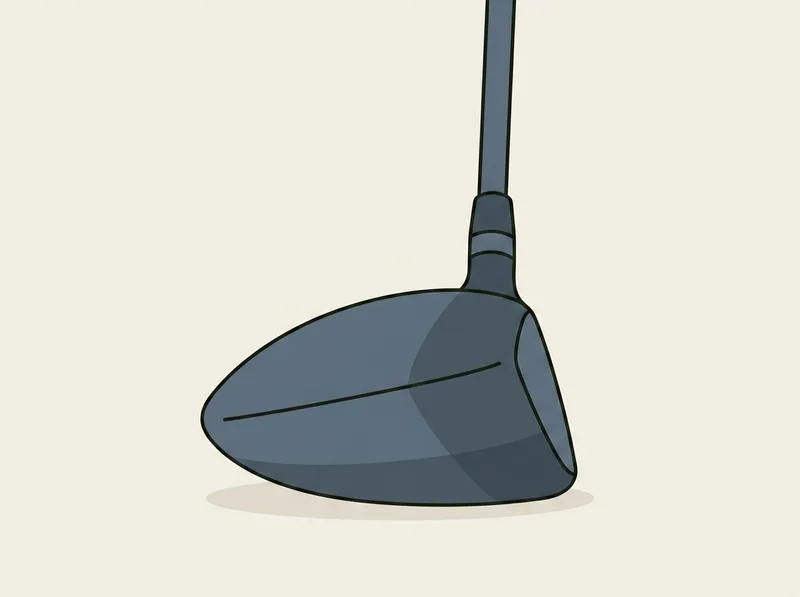
The TaylorMade Qi4D Max Lite is the only club here where the maker states the target: golfers swinging under 90 mph. The head, shaft and grip are all the lightest specification in the Qi4D range rather than just the shaft, and the head uses a 7075 aluminium collar in place of titanium, which is where a lot of the saving comes from.
Lofts are 10.5° and 12° at 45.75 inches, with a 58° to 62° lie range and a D0 swing weight. A 4° loft sleeve sits on top, so a 12° head can be presented at close to 14°, which is more loft than almost any golfer will need and exactly right for the small group who do.
 Around £525 to £550
TaylorMade Qi4D Max Lite
- Lofts
- 10.5°, 12°
- Stock shaft
- The lightest in the Qi4D family, weight not published
- Length
- 45.75 inches, D0 swing weight
- Adjustment
- 4° loft sleeve plus a 4g swing weight port
- Head
- 460cc, 58° to 62° lie range
- Body
- 7075 aluminium collar rather than titanium
- The head, shaft and grip are all the lightest specification in the Qi4D range rather than just the shaft.
- Starts at 10.5° and goes to 12°, with a 4° sleeve on top, so a 12° head can be played close to 14°.
- 45.75 inches is a quarter inch shorter than the two 46 inch builds here, which helps strike quality.
- TaylorMade do not publish the stock shaft weight or a total club weight, so the lightness claim cannot be checked.
- The moveable weight adjusts swing weight rather than shot shape, which is easy to misread as a bias setting.
- No 9° head, so if your speed comes back up you are into a different model.
VerdictThe pick for a golfer measured under 85 mph who still wants a modern adjustable head, because the sleeve lets you keep adding loft as speed falls. The missing shaft weight figure is a genuine irritation on a club sold on being light.
The frustration is that TaylorMade do not publish a shaft weight or a total club weight anywhere accessible. On a club whose entire proposition is that it is light, that is a real gap, and it is the reason the Ping below is the better evidenced purchase even though it is not the better fitting one.
Ping G440 MAX HL: the only one with a number on the outcome
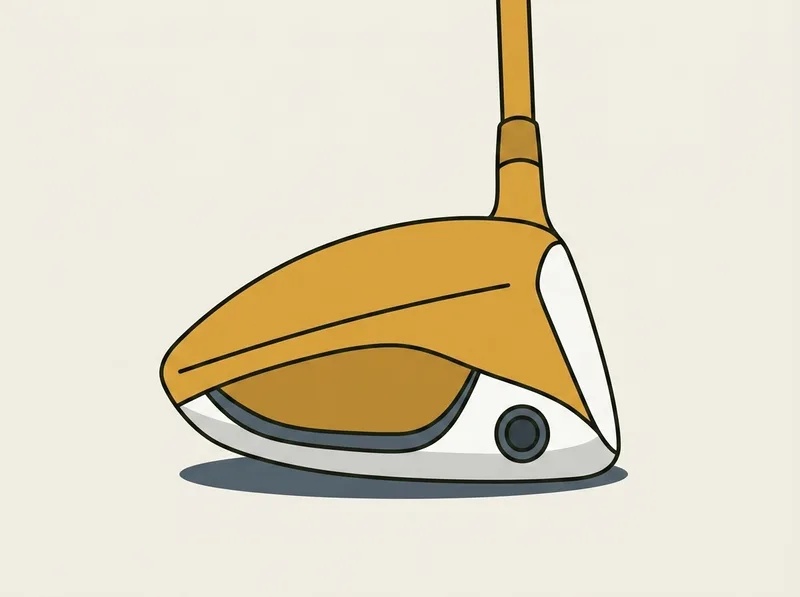
The Ping G440 MAX HL takes the standard MAX head and rebuilds the club around it: a lighter back weight, the ALTA Quick shaft at 38 grams in the 35 flex and 45 grams in the 45 flex, and a Lamkin UTx Lite grip. The head comes out at 196 grams, the club at 46 inches and D2, with a 59.5° lie.
Ping publish a tested result for the build, which nobody else on this page does. Their own description states that in testing, slower swing speed players gained an average of nine yards with the HL build. That is a manufacturer's own testing rather than an independent one, and it should be read as such, but it is a specific claim about a specific build and it is more than the rest of this category offers.
 Around £529 to £575
Ping G440 MAX HL
- Lofts
- 9°, 10.5°, 12°
- Stock shaft
- PING ALTA Quick, 38g in 35 flex and 45g in 45 flex
- Length
- 46 inches, D2 swing weight
- Adjustment
- ±1.5° loft, lie up to 3° flatter, 3-position back weight
- Head
- 460cc, 196g head weight, 59.5° lie
- Grip
- Lamkin UTx Lite as standard
- Ping publish a tested outcome for this build: slower swing speed players gained an average of nine yards.
- A 196 gram head, a 38 gram shaft and a light grip, so the saving is spread across all three components.
- The full loft range from 9° to 12° with a hosel that adds 1.5° on top, which is the widest here.
- 46 inches is the longest build on this page and works against finding the middle of the face.
- The nine yard figure is Ping's own testing, not an independent result.
- The back weight tunes shot shape and swing weight rather than launch, which is not what this buyer needs from it.
VerdictThe pick if you want the widest loft range and the clearest evidence that the light build does something. The 46 inch length is the trade, and half an inch off it is a change worth asking about at the point of sale.
Lofts run 9°, 10.5° and 12° with 1.5° of hosel adjustment either way, which is the widest range here. The 46 inch build is the objection. Length raises potential clubhead speed and lowers the odds of a centred strike, and for a golfer whose smash factor is already the limiting factor, that trade rarely comes out ahead.
Callaway Quantum Max Fast: the lightest published grip
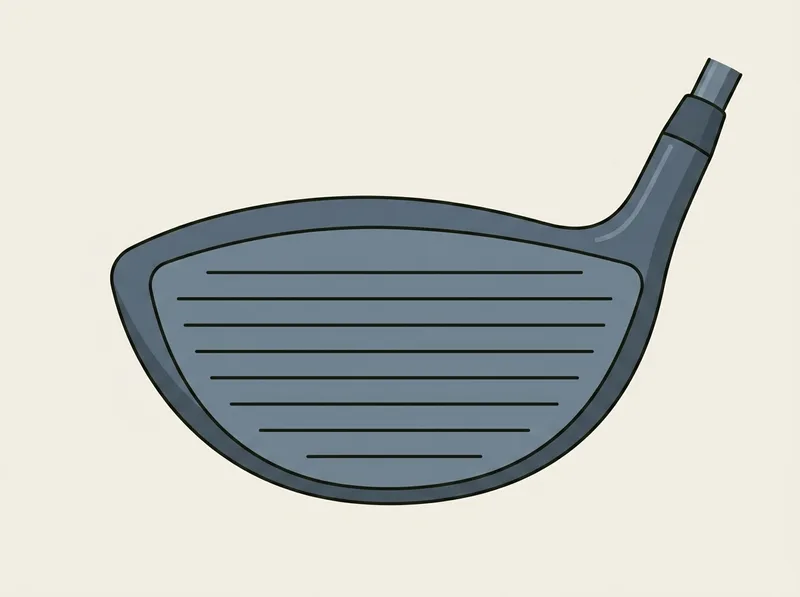
The Callaway Quantum Max Fast is Callaway's answer to the same problem, built around a Mitsubishi Vanquish PL 40 in light flex, a shallower face than the standard Quantum head, and a Lamkin Crossline 360 grip at 33 grams. That grip figure is the interesting one, because grip weight is where light builds most often leak.
A standard driver grip runs about 50 grams and a midsize can be 60. Fitting a 40 gram shaft and then a 50 gram grip gives back a quarter of the saving before the club leaves the factory. At 33 grams, Callaway have not. Lofts are 10.5° and 12° at 45.75 inches and a 59.0° lie, with the OptiFit hosel giving independent loft and lie settings.
 Around £649 at the Callaway UK store
Callaway Quantum Max Fast
- Lofts
- 10.5°, 12°
- Stock shaft
- Mitsubishi Vanquish PL 40, light flex
- Length
- 45.75 inches
- Adjustment
- OptiFit hosel, independent loft and lie
- Head
- 460cc, 59.0° lie, shallower face
- Grip
- Lamkin Crossline 360, 33g
- A 33 gram grip, which is the lightest fitted as standard on any club here and a place most makers give weight back.
- Callaway publish length, lie, head volume and grip weight on the product listing, which is more than most bother with.
- A shallower face than the standard Quantum head, aimed at strikes low on the face.
- Only two lofts, and no 9° if your speed increases.
- Callaway name the Vanquish PL 40 but do not publish the finished shaft weight in the build.
- The most expensive of the three mainstream options here for a very similar specification.
VerdictThe pick if you want to buy a mainstream head from a shelf with the least chance of hidden weight, because the 33 gram grip is published and unusual. Nothing about it beats the Ping on range or the TaylorMade on adjustability.

XXIO Prime: the lightest driver that exists
At 257 grams of published total club weight, the Prime is the lightest complete driver any major manufacturer prints a figure for. The head alone is 188 grams, which is 8 grams under the Ping and closer to 20 under a conventional build, the stock SP-1300 shaft is 35 grams in regular, and the club still comes out at D1 swing weight over 46.5 inches.
That combination is the achievement. It is easy to make a club light by hollowing out the head, and the result feels like swinging a stick with nothing on the end. Getting to 257 grams and keeping a D1 swing weight means the balance has been engineered rather than sacrificed.
 Around £949 at UK retail
XXIO Prime Driver
- Lofts
- 10.5°, 11.5°
- Stock shaft
- XXIO SP-1300 graphite, 35g in R and 37g in SR
- Length
- 46.5 inches, D1 swing weight
- Adjustment
- None. Fixed hosel
- Club weight
- 257g total, 188g head
- Head
- 460cc, 60° lie
- 257 grams of published total club weight, which is the lightest complete driver any major maker prints a figure for.
- A 188 gram head and a 35 gram shaft, so the weight has come out of every component rather than just the one.
- D1 swing weight over 46.5 inches, so it does not feel head heavy despite being the longest build here.
- Costs roughly twice the mainstream options for a difference measured in grams rather than yards.
- Stops at 11.5° of loft, still short of the 12° the slowest swings usually want.
- No adjustment at all, so the loft you buy is permanent, and at 46.5 inches it is the longest club on this page.
VerdictThe right buy only for a golfer who has genuinely run out of speed and for whom every gram matters more than the money. The loft ceiling is the strange part: at 11.5° the lightest club here is still not the highest launching one, and the 46.5 inch build works against the strike quality that a slow swing can least afford to lose.
Two objections. The price is roughly double the mainstream options. And the loft ceiling stops at 11.5°, which is a strange decision on a club aimed at the slowest swings, because it means the golfer who most needs launch has to find the last of it from tee height and attack angle instead. The 46.5 inch build pulls the same way.
A note on the name, because it causes confusion. In the United States this club is badged Prime Royal Edition. In the UK the men's club is sold simply as the XXIO Prime, and the Royal Edition badge appears on the ladies range at a higher price. They are not the same purchase, and the figures above are the UK men's Prime.
Working out whether this is even your page
Under 85 mph is a specific claim and it is worth checking rather than assuming. TrackMan's club speed benchmarks put the average male amateur at 94 mph and a bogey golfer at 92, so a male golfer under 85 is meaningfully slower than typical rather than slightly.
| Driver club speed | Typical carry | Where to start |
|---|---|---|
| Under 75 mph | Under 170 yards | 12° or more, 40g shaft or lighter |
| 75 to 85 mph | 170 to 200 yards | 10.5° to 12°, 40g to 45g shaft |
| 85 to 95 mph | 200 to 230 yards | 10.5°, 45g to 55g shaft |
| Over 95 mph | 230 yards and up | This is not your page |
If you have never had it measured, carry distance is a reasonable proxy and a launch monitor session is cheap. How to measure your swing speed covers the options, and reading launch monitor data explains what to look at once you are standing in front of one.
Shaft weight, and why the letter on it matters less
Flex gets all the attention and weight does more of the work. A 40 gram shaft in regular and a 55 gram shaft in regular are not remotely the same club, and for a swing under 85 mph the weight difference will change your speed more than the flex difference will.
The stock weights here run from 33 grams of grip and a 40 gram class shaft on the Callaway up to 45 grams on the heavier Ping option. Anything at or under 45 grams is in the right territory. What is not helpful is a soft flex hung on a heavy shaft, which is a common half-fix. Working out which shaft flex you need sets out how to estimate both from carry distance.
Spin is the other half, and it is the part people forget
Loft raises launch and spin together, and both are needed. A slow swing that somehow produced tour spin numbers would drop the ball out of the air, and a slow swing with tour launch and no spin does the same thing for the opposite reason.
The practical version is that a slower swing wants a high launch and a reasonably high spin rate, and should be actively avoiding anything sold as low spin. Low spin heads are built for golfers whose ball balloons and falls short, which is a fast swing problem. What spin rate actually does covers the interaction properly.
What speed you can actually get back
Equipment is worth a few miles per hour at best, and the honest comparison is Ping's own nine yards rather than the numbers on a shop wall. The larger available gain for most golfers in this range sits in sequencing and rotation rather than in a purchase, and it is neither quick nor guaranteed.
That is not a reason to skip the club. A correctly specified driver removes a handicap you did not need to be carrying, and it works from the first swing. It is a reason to be realistic about the size of the change. How to increase swing speed covers the training side without promising yardage.
Which of these pages you want
This page assumes you have measured your driver club speed and it is under about 85 mph. Three neighbouring pages start somewhere else.
- If you are shopping because of age rather than a measured number, the conversation is total club weight and grip comfort before it is loft. Drivers for senior swings starts there instead.
- If you shoot in the high 90s and your misses go right, bias and lie angle outrank everything here. Drivers for high handicappers covers that.
- If you have played under about twenty rounds, buy something with nothing on it to set wrong before you worry about grams. Drivers for beginners is that page.
- For the general fitting logic across all speeds, the main driver roundup is the place to start.
Key takeaways
- The TaylorMade Qi4D Max Lite is the pick: lightest head, shaft and grip in its family, 10.5° and 12° heads, and a 4° sleeve to keep adding loft.
- The Ping G440 MAX HL is the only build here with a tested distance figure, nine yards on average in Ping's own slower swing testing.
- The Callaway Quantum Max Fast fits a 33 gram grip as standard, which is where most light builds quietly give weight back.
- The XXIO Prime is the lightest complete driver published at 257 grams, and it stops at 11.5° of loft, which is a strange ceiling on this club.
- Ball speed is capped. TrackMan put the practical smash factor limit near 1.50, so at 80 mph you are chasing about five miles per hour of ball speed, not fifty.
- Launch angle needs to go up as speed comes down. Tour players launch the ball lower than amateurs because their speed carries it.
- Weight matters more than the flex letter. Anything at or under about 45 grams of shaft is the right territory, and there is a floor below which the strike suffers.
Common questions
What is the best driver for a slow swing speed?
The TaylorMade Qi4D Max Lite for most people, because it is built specifically for swings under 90 mph, the head, shaft and grip are all the lightest in its family, and the 4° sleeve lets you add loft as speed falls. The Ping G440 MAX HL is the alternative if you want a 9° to 12° range.
What loft should a slow swing speed use?
At least 10.5°, and 12° or more under 75 mph. Loft controls launch and spin together, and a slow swing produces too little of both to keep a low, flat ball flight in the air. TrackMan's own benchmarks show that the faster the player, the lower they launch, which is the opposite of what most golfers assume.
How light should a driver be for a slow swing?
The stock shaft should be around 40 to 45 grams and the grip should be under 50. Total club weight is the number that matters, and only XXIO publish one: 283 grams for the XXIO 14 and 257 for the Prime, against roughly 305 to 315 for a conventional build.
Does a lighter driver actually add distance?
Ping publish an average of nine yards for slower swing speed players in their own testing of the HL build. That is a manufacturer's own number rather than an independent one, and it is the only figure in the category with a build attached. Treat it as the right order of magnitude rather than a guarantee.
Is 85 mph a slow driver swing speed?
It is below average for a male amateur. TrackMan's benchmarks put the average male amateur at 94 mph and a bogey golfer at 92. For a female amateur, 85 mph sits between their 5 and 10 handicap figures, so the same number reads very differently depending on who is swinging it.
Will a longer driver shaft help a slow swing?
Rarely. Extra length adds a small amount of potential clubhead speed and moves the sweet spot further from your hands, so strike quality usually falls faster than speed rises. Given that smash factor is already the limiting factor at slow speeds, a shorter shaft is the better trade for most people.
Should I use a low spin driver if I swing slowly?
No. Low spin heads are built for golfers whose ball climbs, stalls and drops short, which is a fast swing problem. A slow swing needs launch and spin working together to keep the ball airborne, and stripping spin out of it shortens the carry rather than extending it.
What shaft flex do I need for an 80 mph swing?
Usually A flex, or the equivalent light designation, in a shaft around 40 to 45 grams. The letter is not standardised between brands and the weight matters more, so a soft flex hung on a heavy shaft is a half-fix. Estimate from carry distance if you have not had it measured.
How much should I spend on a driver for a slow swing?
Between about £525 and £650 covers all three mainstream options here, and they are close on specification. The XXIO Prime is roughly double that and buys grams rather than yards, which is only worth it if you have genuinely run out of speed.
Can a driver fix a swing that is slow because of technique?
No, and it is worth being clear about that. A correctly weighted, correctly lofted club removes a handicap you were carrying and works from the first swing. Speed built from better sequencing is a larger gain and a slower one, and the two are not alternatives.
Do I need a shorter driver shaft as well as a lighter one?
They are separate decisions and both usually point the same way. Three of the four clubs here are built at 45.75 to 46.25 inches. Half an inch off is a cheap change at any repair bench, and for a golfer whose limiting factor is strike quality it typically tightens dispersion straight away.
How we put this together
- Published manufacturer specifications for each driver, taken from the maker's own listing rather than a retailer's summary, with unpublished figures recorded as unpublished.
- Loft ceiling and stock shaft weight, because below about 85 mph those are the only two specifications that change the outcome.
- Any distance claim a maker makes for a lightweight build, quoted with the maker attached rather than presented as independent.
- TrackMan's published smash factor, club speed and launch angle benchmarks, which set the ceiling on ball speed and show which direction loft should move.
- The R&A Rules of Equipment limits on spring effect and head volume, which are the reason no head can raise ball speed beyond that ceiling.
On this page
- The four, compared
- The ceiling you cannot beat, and what is left underneath it
- Loft goes up, and the tour data proves the direction
- TaylorMade Qi4D Max Lite: built for this speed, and still adjustable
- Ping G440 MAX HL: the only one with a number on the outcome
- Callaway Quantum Max Fast: the lightest published grip
- XXIO Prime: the lightest driver that exists
- Working out whether this is even your page
- Shaft weight, and why the letter on it matters less
- Spin is the other half, and it is the part people forget
- What speed you can actually get back
- Which of these pages you want
- How we put this together

Tom Ashworth
Tom Ashworth is a PGA Professional who has taught golf since 2012, working mainly with beginners and mid-handicappers at club level in Surrey. He reviews the instruction guides on Learn Golf for technical accuracy before they publish.
Most of his teaching is with players in their first three years of the game, and most arrive having been told too much: six swing thoughts collected from videos, half of them contradicting each other. His approach is to check the grip and the alignment before touching the swing, on the basis that most bad ball flight is decided at address.