Best Drivers for Beginners: Four Picks You Cannot Set Up Wrong
A first driver has one job: to be swingable and hard to set up badly. Almost every buying guide sells beginners a slice corrector instead, which assumes a miss you have not developed yet.
Some links here earn us a commission at no extra cost to you. It never changes what we recommend or the order we rank it. How this works.
A first driver gets bought for the wrong reason more often than any club in the bag. The shop asks about your slice, you say yes, and you walk out with a head weighted to curve the ball left before you have played enough golf to know which way it actually goes. Here are four drivers worth a beginner's money, and what each one asks of you after the sale.
The four, compared
All four are 460cc titanium heads built against the same ceiling. The R&A Rules of Equipment cap head volume at 460 cubic centimetres plus a 10cc tolerance under Rule 2.4b(i), and club length at 48 inches under Rule 2.1c, which is why every driver on this page looks roughly the same size. What separates them is length, loft ceiling, shaft weight, and how much of the club is adjustable.
| Pick | Best for | Lofts | Length | Adjustment | Stock shaft | Price |
|---|---|---|---|---|---|---|
| Callaway ELYTE | The most driver for the least money, with the least to get wrong | 9°, 10.5°, 12° | 45.75 inches | One 13g weight, neutral, draw or fade | Project X Denali Charcoal 50, or Vanquish PL 40 in R2 | Around £379 to £569 |
| Ping G440 K | The most stable head that still suits a new golfer | 9°, 10.5°, 12° | 46 inches | ±1.5° loft, lie up to 3° flatter, 3-position back weight | PING ALTA CB Blue, 49g in soft regular | Around £579 to £630 |
| Cobra OPTM MAX-K | The biggest head here, with the most to leave alone | 9°, 10.5°, 12° | 45.5 inches, or 44.5 in tour length | FutureFit33 hosel, 33 loft and lie settings | MCA Kai'li Dark Waves Red 50, 53.5g in R and 51.5g in A | Around £479 at UK retail |
| Callaway Quantum Max D | A beginner who already knows the ball goes right | 9°, 10.5°, 12° in right hand | 45.75 inches | OptiFit hosel, 8 loft and lie settings | Project X Denali Frost Silver 50, regular | Around £529 to £599 |
Adjustment is listed here as a specification rather than a virtue. On a first driver it is a risk: every setting is one more thing that can be left in the wrong position for a season without anybody noticing.
Callaway ELYTE: the most club for the least money
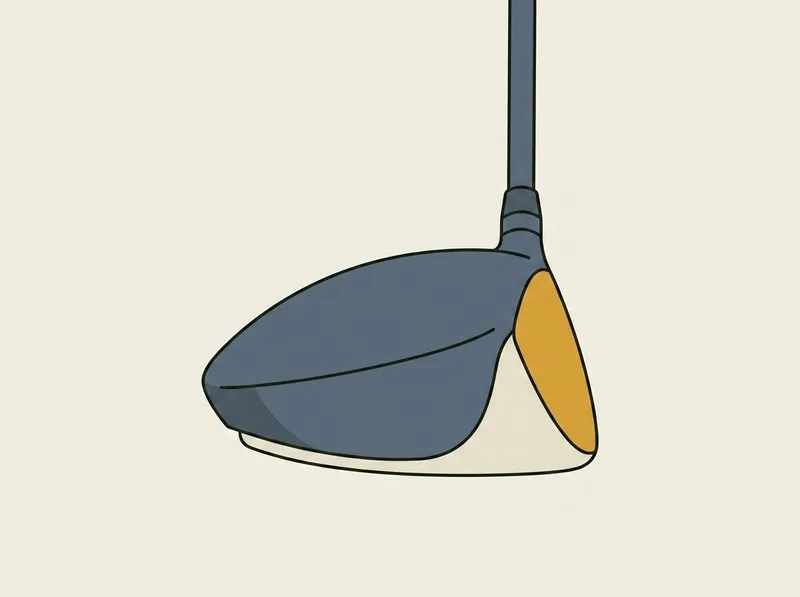
The Callaway ELYTE is last season's flagship, and that is the entire argument for it. It carries a single 13 gram weight with three positions, neutral, draw and fade, and no other adjustment. There is no multi-position sleeve and nothing on the sole to rearrange. Set it neutral and there is one decision on the whole club, which is the right number for a first driver.
The build specifications do the rest. Lofts run 9°, 10.5° and 12° at 45.75 inches on a 57° lie, and the stock shaft is either a Project X Denali Charcoal 50 or, in R2 flex, a Mitsubishi Vanquish PL at 40 grams. That 40 gram option matters more than it reads: it is the lightest stock shaft on this page, and a shaft you can accelerate is worth more early on than anything the head is doing.
 Around £379 to £569
Callaway ELYTE
- Lofts
- 9°, 10.5°, 12°
- Length
- 45.75 inches
- Adjustment
- One 13g weight, neutral, draw or fade
- Stock shaft
- Project X Denali Charcoal 50, or Vanquish PL 40 in R2
- Head
- 460cc, 57° lie
- Grip
- Golf Pride Tour Velvet 360, 50g
- Last season's flagship head at a discount, which is the most reliable saving in golf equipment and the thing this page recommends doing anyway.
- One weight with three positions is the simplest adjustment on this page, and left in neutral it costs nothing.
- A 40 gram Vanquish PL shaft in R2 is a stock option, so the lightest build here is not a special order.
- The weight can be dropped into the draw or fade slot by an owner who has no idea which they need.
- A 57° lie is the flattest head here, which nudges the ball right for anyone who already fades it.
- It is last season's model, so stock is finite and the loft and flex you want may already have gone.
VerdictThe right first driver for most people, because it is the cheapest route here into a current-generation head and the difference is better spent on the rest of the bag. Take the 12° head, take the 40 gram shaft, leave the weight in neutral and do not touch it again. If you are confident you will still be playing in five years and would rather buy once, the Ping below is the more durable purchase.
The honest limitations are two. The weight can be dropped into the draw or fade position by somebody who does not know which they need, which is a smaller version of the problem the Cobra has. And because this is last season's model, the stock is finite. The loft and flex you want may already be gone, and when it is, it is gone for good rather than restocking.
Neither of those outweighs the price. This page argues throughout that a beginner should buy one year old and spend the difference on the rest of the bag, and this is that argument in club form.
Ping G440 K: the most stable head that still suits a new golfer
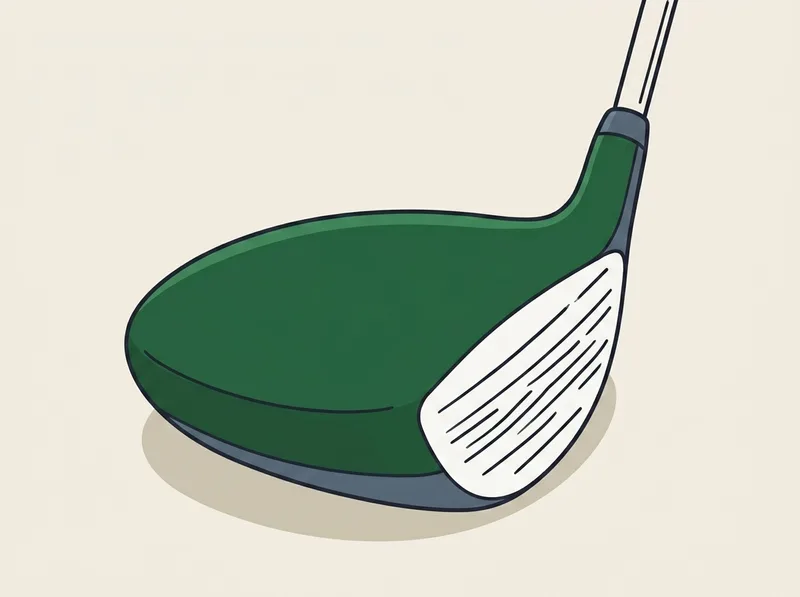
The Ping G440 K is the largest front-to-back shape Ping build, and front-to-back depth is the specification that most directly buys stability when the strike misses the middle. Ping publish the full table: 460cc, a 203g head, 58.5° lie, 46 inches, D3 swing weight, and lofts at 9°, 10.5° and 12°.
Adjustment is deliberately limited compared with the Cobra. The hosel gives 1.5° of loft either way and up to 3° flatter lie, and a single back weight moves between three positions Ping label neutral, draw and fade. That is a small enough menu that a beginner can leave it neutral and lose nothing.
 Around £579 to £630
Ping G440 K
- Lofts
- 9°, 10.5°, 12°
- Length
- 46 inches
- Adjustment
- ±1.5° loft, lie up to 3° flatter, 3-position back weight
- Stock shaft
- PING ALTA CB Blue, 49g in soft regular
- Head
- 460cc, 203g head weight, 58.5° lie
- Swing weight
- D3
- Ping's largest front-to-back head shape, which is the specification that most directly buys stability on a bad strike.
- The back weight moves between neutral, draw and fade, so one head covers a miss that has not settled yet.
- A full published weight and length table including the 203g head, which almost no other maker prints.
- 46 inches is longer than a beginner needs and works against consistent contact.
- Comfortably the most expensive club here for a golfer who may not still be playing in a year.
- The three weight positions have to be chosen by somebody, and getting that wrong is worse than leaving it neutral.
VerdictThe pick if you are reasonably sure you will still be playing in two years and would rather buy once. The neutral setting is the correct one until you have a settled miss, and the club is worth owning purely for the head shape.
Length is the reason this is not the outright pick. Forty six inches is longer than a new golfer needs, and the gain in potential clubhead speed is paid for in strike quality. Anyone buying this club with a fitter in the room should ask about trimming half an inch, which is a cheap change and often the single biggest one available.
Cobra OPTM MAX-K: the biggest head, and the most to leave alone
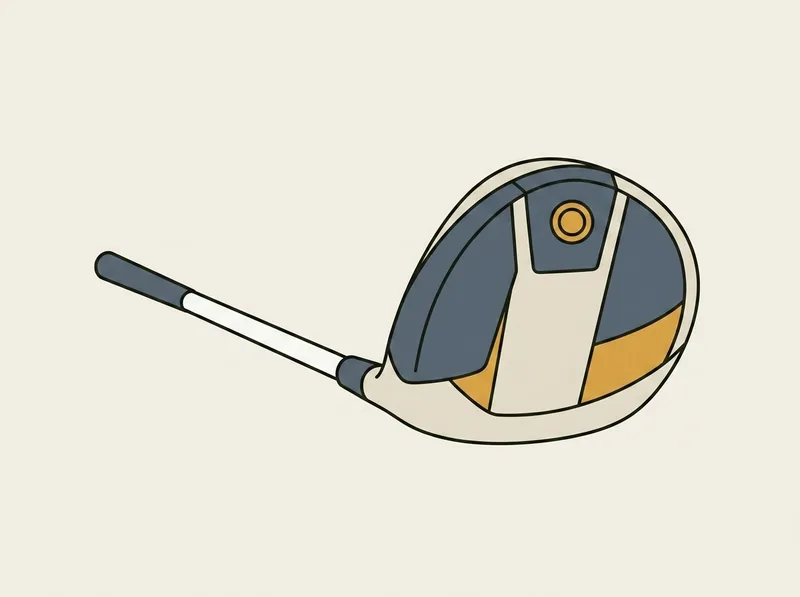
Cobra's OPTM MAX-K is their most forgiving head and it arrives with the FutureFit33 hosel, which offers thirty three loft and lie combinations across a 2° range either side of the stamped loft. On a fitted club that is a genuine advantage. On a first driver bought online it is thirty three ways to be in the wrong setting.
Loft is not the problem it is often written up as. The MAX-K is sold in 9°, 10.5° and 12°, and the hosel adds 2° on top, so this head reaches higher loft than anything else on this page. The weight is the real gap. The stock MCA Kai'li Dark Waves Red 50 runs 53.5g in regular and 51.5g in A, which is the heaviest stock shaft here and assumes a swing that has already been built.
 Around £479 at UK retail
Cobra OPTM MAX-K
- Lofts
- 9°, 10.5°, 12°
- Length
- 45.5 inches, or 44.5 in tour length
- Adjustment
- FutureFit33 hosel, 33 loft and lie settings
- Stock shaft
- MCA Kai'li Dark Waves Red 50, 53.5g in R and 51.5g in A
- Head
- 460cc, 58° lie at 9° and 59° at 10.5° and 12°
- Loft range
- ±2° from the stamped loft
- Cobra's most forgiving head, aimed squarely at strikes that wander across the face.
- A 12° head is a standard option, and the hosel adds 2° on top of it, so this reaches higher loft than anything else here.
- Sold in genuinely wide UK distribution, so there is a realistic chance of hitting one before buying.
- Thirty three hosel settings on a first driver is a liability rather than a feature.
- Nothing on the club tells you which of those settings it is currently in, so a wrong one can sit there for a whole season.
- At 53.5g in regular the stock shaft is the heaviest on this page, which works against a swing that has not built any speed yet.
VerdictA very good head sold with a set-up problem attached. The loft range is the best here and the head is genuinely forgiving, so if somebody who knows what they are doing sets the hosel and you never touch it again, it is excellent. Bought online and fiddled with, it is the easiest club here to make worse.
None of that makes it a bad club, and the head itself is excellent. It makes it a club that needs somebody to set it once and then leave it alone, which is a condition rather than a feature.
Callaway Quantum Max D: only if you already know the ball goes right
The Quantum Max D has weight added into the heel section of the head to produce what Callaway describe as a slight draw bias, and the OptiFit hosel gives eight independent loft and lie configurations. Lofts run 9°, 10.5° and 12° in right hand, and the stock Project X Denali Frost Silver 50 is a sensible 50g class shaft.
Every one of those specifications is good. The problem is the assumption underneath the club, which is that you already slice. If you have played fewer than twenty rounds, you probably have not developed a repeatable miss yet, and a head built to counteract one is solving a problem you may not have.
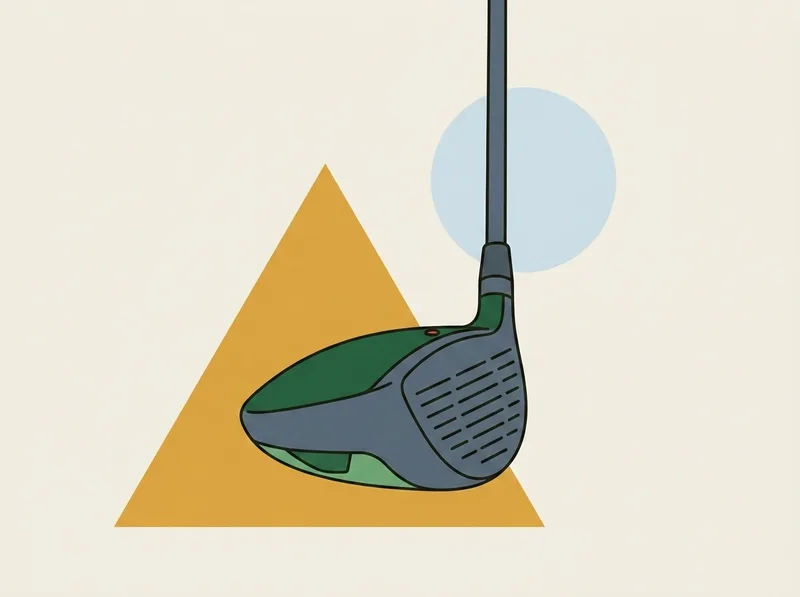 Around £529 to £599
Callaway Quantum Max D
- Lofts
- 9°, 10.5°, 12° in right hand
- Length
- 45.75 inches
- Adjustment
- OptiFit hosel, 8 loft and lie settings
- Stock shaft
- Project X Denali Frost Silver 50, regular
- Head
- 460cc, 59.0° lie
- Weighting
- Fixed heel weight for a slight draw bias
- The heel weighting is built in rather than adjustable, so the draw bias cannot be switched off by accident.
- Eight hosel settings rather than thirty three, which is a range an owner can actually reason about.
- 12° is a standard right hand option, not a custom order.
- A draw bias is the wrong default for a golfer who has not yet found out which way they miss.
- Only two left hand lofts, so left handers lose the 12° option entirely.
- The most expensive way here of buying a mistake if your miss turns out to go left.
VerdictThe pick only if you have played enough to know the ball leaves right and stays right. If your misses still go both ways, the built-in draw bias is solving a problem you may not have, and one of the neutral heads above is the safer buy.
Do you need a separate driver at all yet
For a lot of people reading this, the honest answer is no. Complete sets are sold with a driver already in them, and the driver in a decent package set is a perfectly serviceable club for a first season. Buying a separate £580 driver to put alongside a £350 set is a strange allocation of money.
The case for buying one separately is narrow but real. It applies if your set came without a driver, if the one you have is more than about fifteen years old, or if you have measured your swing and know the shaft in it is far too stiff. Outside those three situations, the money is better spent on the rest of the bag. What clubs a beginner actually needs works through the whole set, and the best complete beginner sets covers the package option properly.
Loft: take more than feels right
Nine degrees sounds like a better player's club and it is the single most common specification mistake a beginner makes. Loft on a driver does not trade against distance in the way it appears to. It sets launch angle and spin together, and a ball that leaves low with little spin drops out of the sky early no matter how hard it was hit.
TrackMan's published launch angle benchmarks put the average male amateur, a 14.5 handicap, at 12.6° of driver launch, against 11.2° for a scratch player and 10.4° on the PGA Tour. The better player launches the ball lower, not higher, and gets away with it because of what their speed and strike are doing. A new golfer copying the low number gets the drawback without the compensation.
| Where you are | Loft to start from | Why |
|---|---|---|
| Under twenty rounds, no measured speed | 12° | Buys height and forgives a downward strike |
| Twenty to fifty rounds, ball flight is low | 10.5° to 12° | Enough loft to carry, room to come down later |
| Ball is ballooning and falling short | 9° to 10.5° | Only after the strike is repeatable |
Start at the top of that table. Which driver loft to play goes into how attack angle changes the answer, which for a beginner usually means adding loft rather than removing it.
Shaft weight decides whether you can swing it at all
The head gets the marketing and the shaft does more of the work. Every driver head on this page is subject to the same legal ceilings on size and spring, and the differences between them are small. The shaft has no such ceiling, and its weight and flex determine how much of your swing reaches the ball.
Stock weights here run from 40g on the Callaway in R2 flex up to 53.5g on the Cobra in regular. For a beginner, lighter is almost always better: a shaft you can accelerate is worth more than a shaft that feels solid. The vanity mistake is buying stiff because regular sounds like an admission, and a shaft too stiff to load tends to leave the face open at impact. Working out which shaft flex you need sets out how to estimate it from carry distance without a launch monitor.
What to spend, and what happens to this club
Those numbers matter because a beginner's driver swing sits below all of them, and it will move considerably over the first two seasons. The club that fits you at thirty rounds may not fit you at a hundred and fifty, which is an argument for spending less now rather than more.
Last season's model of any current head performs within a yard or two of this season's and typically sells for a third less. Buying one year old is the most reliable saving in golf equipment, and it applies far more strongly to a first driver than to anything else, because the club is going to be replaced on a fit basis rather than a wear basis.
Getting the ball airborne at all is the first hurdle, and it is usually a set-up problem rather than an equipment one. Teeing the ball so its equator sits level with the top edge of the crown feels absurdly high to a new golfer and is roughly correct. How to hit a driver covers the ball position and tee height that go with these heads.
Which of these pages you want
Four common driver searches deserve genuinely different answers, and this one is aimed at the narrowest of them.
- This page is for someone under about twenty rounds in, with no measured swing speed and no settled miss. The priority is a club with nothing to get wrong.
- If you have played for years and shoot in the high 90s or worse, your miss is known and forgiveness on off-centre strikes outranks everything. Drivers for high handicappers is that page.
- If you are over about sixty, total club weight and flex come before head choice. Drivers for senior swings starts there instead.
- If your driver speed is under about 85 mph, loft and build weight change more than any head can. Slow swing speed drivers works through the physics.
- For the general picture across all swing types, the main driver roundup covers the fitting logic without a segment attached.
A slice that appears once you have a repeatable swing is a path problem, not an equipment one, and no head fixes it. Fixing a slice is the honest first stop before any of these clubs.
Key takeaways
- The Callaway ELYTE is the default first driver: lofts to 12°, a 40g stock shaft option, one weight with three positions, and last season's pricing.
- The Ping G440 K is the most stable head here and the one to buy if you expect to keep it, though 46 inches is longer than a beginner needs.
- The Cobra OPTM MAX-K has the widest loft range here and the heaviest stock shaft, and its 33 hosel settings are a liability on a first driver.
- The Callaway Quantum Max D is only right if you already know the ball leaves right and stays right.
- Do not buy a draw-biased driver before you have a settled miss. Early misses go both ways and a bias converts one bad shot into another.
- Take more loft than feels right. The average male amateur launches the ball higher than a scratch player, not lower.
- Many beginners do not need a separate driver at all. The one in a decent complete set will do for a first season.
Common questions
What driver should a beginner buy?
Something light, high lofted, and with as little on it to set as possible. The Callaway ELYTE covers all three: up to 12° of loft, a 40g stock shaft in R2, and one weight with three positions rather than a sleeve with thirty three. Buying last season's model is what makes it affordable. Spending more mostly buys adjustability that a new golfer cannot use and may set wrongly.
What loft driver should a beginner use?
Twelve degrees if you have no measured swing speed, and 10.5° at the lowest. Nine degrees is a better player's specification that suits high clubhead speed with a level or upward strike, which is a combination almost nobody has in their first season.
Should a beginner buy a draw-biased driver?
Not usually. Draw bias corrects a settled slice, and a golfer under about twenty rounds in misses in both directions rather than consistently right. Buy a neutral head, play thirty rounds, and only then buy the bias if your misses genuinely all go the same way.
How much should a beginner spend on a driver?
Around £240 to £300 covers everything a first driver needs to do. Last year's model of a current head sells for roughly a third less than this year's and performs within a yard or two of it. The club will stop fitting you within two seasons regardless of what you paid.
Do I need a driver if I have a complete set?
No. Package sets include a driver, and it is a perfectly usable club for a first season. Buying a separate driver alongside a new complete set is one of the least efficient ways to spend money on golf equipment early on.
Are adjustable drivers bad for beginners?
Not bad, but useless at best and harmful at worst. Adjustability only pays off if somebody puts the club on a launch monitor and chooses the setting. Left in the wrong position it quietly costs distance and direction for a whole season, and nothing on the club tells you.
What shaft flex should a beginner use?
Regular, in the lightest weight available, unless you have had your swing speed measured. Flex letters are not standardised across brands, so an R from one maker can be stiffer than an S from another. A shaft too stiff to load tends to leave the face open at impact.
Is a shorter driver easier to hit?
Yes, in the sense that matters. A shorter club makes the centre of the face easier to find, which produces more ball speed on a typical strike than a longer club produces on a poor one. Stock builds now run from 45 to 46 inches, and the shorter end suits new golfers better.
Why do beginners hit the driver so much worse than their irons?
Because the driver is the longest club, the flattest lie, the lowest loft and the only one hit off a tee on the way up. Every one of those makes the strike harder. A beginner who cannot find a fairway with the driver but hits the 7 iron well is behaving normally, not badly.
Should I learn with a driver at all?
Yes, but not first. Building a swing with a 7 iron and adding the driver once contact is reliable is a faster route than fighting the hardest club in the bag from day one. Keep the driver in the bag for practice sessions and hit it a few times each round.
How long will a beginner driver last?
Mechanically, many years. Practically, about two seasons, because your swing speed and strike will move enough that the loft and shaft that fitted you at the start no longer do. That is the argument for spending less on the first one and more on the second.
How we put this together
- Published manufacturer specifications for each driver, taken from the maker's own product listing rather than a retailer's summary, and recorded as unpublished where the maker does not state a figure.
- How much of each club can be set wrongly by an owner with no fitter and no launch monitor, because that is the specific risk a first driver carries.
- Loft ceiling and stock shaft weight, which are the two specifications that decide whether a beginner can get the ball airborne at all.
- TrackMan's published club speed and launch angle benchmarks by handicap, which set the range a new golfer is realistically swinging in.
- The R&A Rules of Equipment limits on head volume and club length, which every model here is built against.
On this page
- The four, compared
- Callaway ELYTE: the most club for the least money
- Ping G440 K: the most stable head that still suits a new golfer
- Cobra OPTM MAX-K: the biggest head, and the most to leave alone
- Callaway Quantum Max D: only if you already know the ball goes right
- Do you need a separate driver at all yet
- Loft: take more than feels right
- Shaft weight decides whether you can swing it at all
- What to spend, and what happens to this club
- Which of these pages you want
- How we put this together
Tom Ashworth
Tom Ashworth is a PGA Professional who has taught golf since 2012, working mainly with beginners and mid-handicappers at club level in Surrey. He reviews the instruction guides on Learn Golf for technical accuracy before they publish.
Most of his teaching is with players in their first three years of the game, and most arrive having been told too much: six swing thoughts collected from videos, half of them contradicting each other. His approach is to check the grip and the alignment before touching the swing, on the basis that most bad ball flight is decided at address.