7 Best Used Putters for Beginners: Golf's Smartest Buy
A putter swings at walking pace, so nothing in a used one is used up. No club rewards buying second hand like it, and no golfer collects that reward like a beginner.
Some links here earn us a commission at no extra cost to you. It never changes what we recommend or the order we rank it. How this works.
Golf's buying advice runs one way: spend on the putter, the club used on every hole, and economise elsewhere. The used market says the opposite. A putter swings at walking pace, wears almost nowhere and carries designs that stay in production for decades, so a second hand one is the same club minus the mark-up. Here are the seven best used putters for beginners, and what each should cost.
Why the putter is the most rational used buy in golf
Every other club earns its wear. A driver face meets the ball at 90 miles an hour and more, wedges grind through sand and turf, and grooves dull season by season. A putter strikes a stationary ball at a walking pace and spends the rest of its life in a headcover. Buy one second hand and nothing that matters has been used up.
Design does not expire either. The heads that top the current putter market are running shapes their makers have sold for years, some for decades, so a putter bought used is not last generation's compromise in the way an old set of irons can be. It is the same product on a kinder price.
That combination rewrites what a beginner's budget buys. £120 spent new buys an entry level cast putter with a basic grip, built to a price. The same £120 second hand buys last season's premium insert mallet or a milled head from the shelf above it, and the difference in build quality is visible from across the shop. The logic scales too: a whole used starter set costs less than some new putters on their own.
The seven, compared
The ranking runs on used value for a beginner, which weighs alignment help, head stability and price ahead of prestige. A putter that makes aiming obvious and forgives a wandering strike earns its place; a famous name pays its way only when the price is honest about it.
| Pick | Best for | Head type | Used price | Face | Lengths | Price |
|---|---|---|---|---|---|---|
| Odyssey White Hot OG | The default used putter: a proven insert in every head shape at honest prices | Blades and mallets, One through Rossie to Seven | Around £80 to £145 | White Hot two-part urethane insert | 33, 34 and 35 inch common | Around £80 to £145 |
| TaylorMade Spider Tour | The most stable head on the used racks, with the clearest alignment channel | High MOI square mallet | Around £110 to £180 | Pure Roll grooved insert | 33, 34 and 35 inch | Around £110 to £180 |
| Scotty Cameron Newport 2 | The build quality buy, priced honestly: a small discount because the value holds | Milled blade | Around £160 to £300 | Milled stainless steel | 33, 34 and 35 inch | Around £160 to £300 |
| Odyssey 2-Ball | The clearest aiming aid golf has produced, at every price the used market holds | Mallet, many generations | Around £40 to £140 | Insert, varies by generation | 33, 34 and 35 inch | Around £40 to £140 |
| Ping Anser | The proven blade, if a blade is what your stroke and your eye actually want | Heel and toe weighted blade | Around £90 to £150 | Milled or soft insert, family dependent | 33, 34 and 35 inch | Around £90 to £150 |
| Odyssey Ai-One | The newest design here, still waiting for its used discount to arrive | Modern mallets and blades | Around £130 to £200 | Insert designed to steady ball speed on mishits | 33, 34 and 35 inch | Around £130 to £200 |
| Cleveland Frontline Elite | A sensible mallet undercut by its own modest new price | Forward weighted mallets and blades | Around £80 to £110 | Milled pattern steel | 33, 34 and 35 inch | Around £80 to £110 |
Odyssey White Hot OG: the default used putter
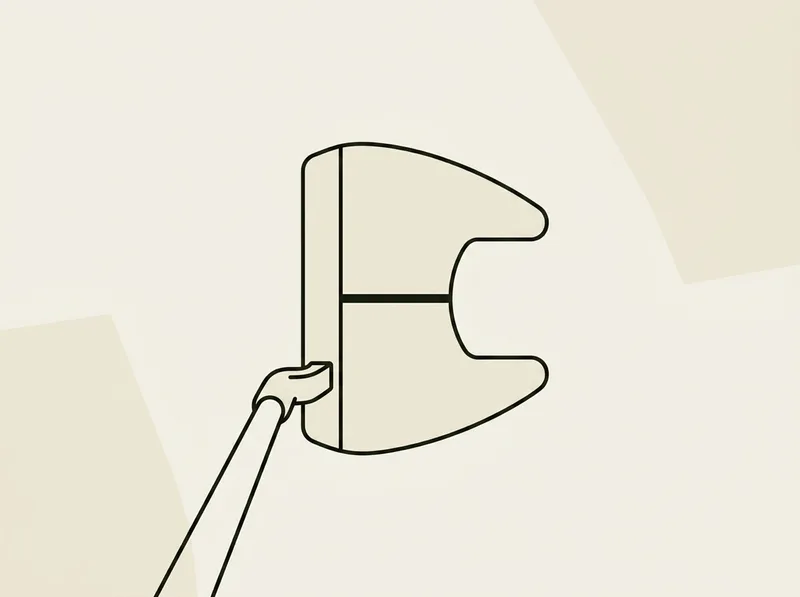
The Odyssey White Hot OG puts the most proven insert in golf into every head shape the game sells, and the used racks are never without it. The White Hot formula has been in production since 2000, the OG range brought back the original recipe in 2021, and a used example rolls the ball exactly as a boxed one does. Second hand prices run around £80 to £145, against £239 new for the dearer current builds.
Shape is the whole decision. The One and One Wide are blades, the Rossie is a rounded mid mallet, and the Seven is the fang shape that borrows the Spider's stability argument at a fraction of the money. All carry proper sight lines, and the insert's soft, clicking feedback tells a beginner more about strike than a firm milled face charges double to say.
 Around £80 to £145
Odyssey White Hot OG
- Head type
- Blades and mallets, One through Rossie to Seven
- Used price
- Around £80 to £145
- Face
- White Hot two-part urethane insert
- Lengths
- 33, 34 and 35 inch common
- The White Hot insert has been in production since 2000, so a used head carries the same technology Odyssey sells new today.
- The OG range spans blades, mid mallets and fang shapes, which finds the right head for any stroke without leaving the family.
- Deep UK used supply keeps prices honest and means the next tidy example is never more than a week away.
- The insert is the one part that marks, so the face needs checking for dents before the paint gets admired.
- Standard steel and heavier Stroke Lab builds share the racks at different prices, and listings do not always say which is fitted.
- It is nobody's status symbol, so it will not hold its value the way the milled names below do.
VerdictThe default second hand putter for a beginner: proven, plentiful and cheap enough to leave money for lessons. Buy the head shape that matches your stroke rather than the one that photographs best.
The checks are the face and the shaft. Inserts mark if a putter has lived loose in a car boot, so look for dents deeper than paint, and listings mix standard steel shafts with the heavier gripped Stroke Lab builds without always saying which is fitted. Neither check takes a minute, and neither should put you off, because supply is deep enough that the next tidy example is always close.
TaylorMade Spider Tour: stability and the clearest aim
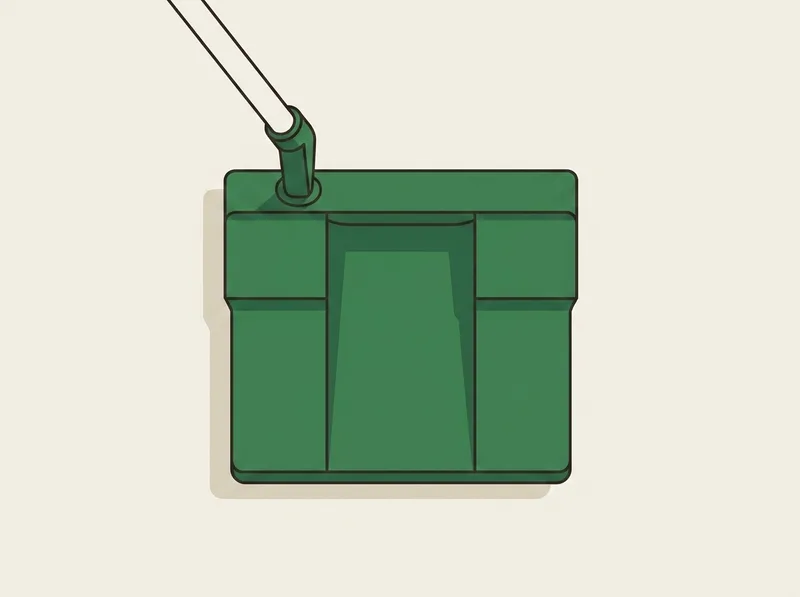
A TaylorMade Spider Tour is what stability looks like second hand: a wide square body with its weight pushed out to the corners, and the True Path channel down the middle framing the ball like a runway. Nothing on this page is more forgiving of a strike that wanders across the face, and nothing is easier to point at the hole. The 2019 to 2023 generations, Spider X and Spider Tour alike, trade at around £110 to £180 against launch prices of £279 to £299.
The name now spans a decade of versions, and the newest matter least. The current 5K and zero torque heads still trade around £300 and up second hand, which is most of their new price. The value lives a generation or two back, where the tour pedigree is identical and the discount is real.
 Around £110 to £180
TaylorMade Spider Tour
- Head type
- High MOI square mallet
- Used price
- Around £110 to £180
- Face
- Pure Roll grooved insert
- Lengths
- 33, 34 and 35 inch
- The weight sits out in the corners, so the head resists twisting on the off centre strikes a beginner actually hits.
- The True Path channel frames the ball as clearly as any alignment aid in golf, which turns aiming into a picture rather than a guess.
- A decade of tour wins keeps supply deep, so graded examples exist in every length and both hand orientations.
- A step dearer used than the Odyssey above without holing more from short range.
- The newest 5K and zero torque generations still trade around £300 and up, so the value lives in the older heads.
- It is a lot of putter to look at, and a golfer raised on blades may never love the view at address.
VerdictThe stability buy: nothing here is more forgiving of a wandering strike or easier to aim. Buy a Spider X or Spider Tour from a generation or two back and let someone else fund the zero torque experiment.
Bulk is the honest caveat. A Spider is a lot of putter, and a golfer raised on blades may never warm to the view at address. A beginner with no habits to unlearn should read that bulk as the feature it is: the channel says where square is, and the head does not twist when the strike misses the middle.
Scotty Cameron Newport 2: the build quality buy
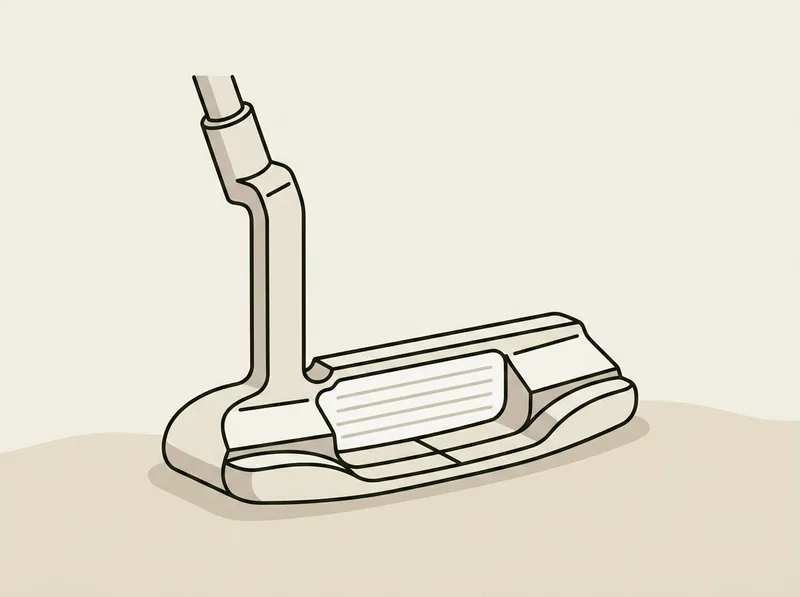
The Scotty Cameron Newport 2 is the premium question every used buyer asks eventually, so here is the honest arithmetic. It holds its value better than any club in golf, which means the used discount is small: expect around £160 to £300 second hand against £399 and up new, and nothing like the half price flagships found elsewhere in this cluster.
What that money buys is build rather than technology. The head is milled from a single billet of steel, the neck can be rebent, the face can be refinished, and a ten year old example is a service away from another decade of work. It is the one putter on this page bought for how it is made rather than what it promises to fix.
 Around £160 to £300
Scotty Cameron Newport 2
- Head type
- Milled blade
- Used price
- Around £160 to £300
- Face
- Milled stainless steel
- Lengths
- 33, 34 and 35 inch
- Milled from a single billet and built to be serviced, so a ten year old head can be refinished rather than retired.
- Holds its value better than any club in golf, so two seasons of ownership costs very little if it is ever sold on.
- The used market is the only place its price ever drops, which makes second hand the sane way for a beginner to own one.
- The used discount is small precisely because the value holds, so the bargain hunter's argument is weak.
- A blade with a single sight line offers the least alignment help on this page.
- It is the name counterfeiters copy most in putting, which rules out bargain marketplace listings entirely.
VerdictBuy it for the build, not the discount, and only from somewhere that grades and authenticates its stock. If your stroke wants a mallet, admire it and buy the Spider instead.
The counterfeit problem is real enough to shape where you buy, and it gets its own section further down. Fit matters too: a Newport 2 is a blade with one sight line, mid toe hang and no stabilising bulk, so it rewards a stroke that already repeats. Plenty of beginners buy one anyway and grow into it, which is a defensible way to spend the money once you know what it is not doing for you.
Odyssey 2-Ball: alignment help from £40
The Odyssey 2-Ball has been aiming amateurs for a quarter of a century, and its trick has never been bettered for a beginner: two ball sized discs behind the face, lined up with the real ball, make square look like something rather than nothing. The used spread is enormous. Early generations in honest condition go for around £40 to £75, while recent versions such as the Ten trade near £140.
The bottom of that band is the bargain of this entire page. A beginner's aim is usually worth more strokes than their strike, and £50 spent on the clearest aiming device golf has produced attacks the bigger fault directly.
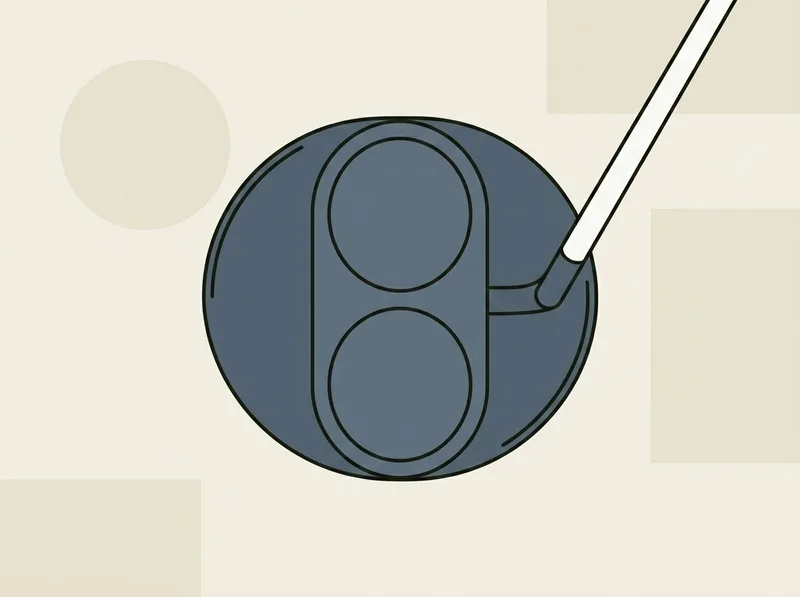 Around £40 to £140
Odyssey 2-Ball
- Head type
- Mallet, many generations
- Used price
- Around £40 to £140
- Face
- Insert, varies by generation
- Lengths
- 33, 34 and 35 inch
- Two ball sized discs behind the face make square look like something rather than nothing, and they work identically on the oldest examples.
- A quarter of a century in continuous production gives it the deepest used supply of any single putter design.
- Early generations cost less than two dozen premium balls and still put a genuine premium head in the bag.
- The cheapest examples carry twenty years of use, so grips, inserts and paint need honest inspection.
- Recent versions trade near £140, where the Spider's extra stability is the better spend.
- Most generations are face balanced, which quietly fights a stroke that arcs strongly.
VerdictThe bargain of the page and the best under £75 buy in putting. Spend the bottom of the band on an early head in honest condition rather than the top of it on a recent one.
Age is the tax. A £40 2-Ball is often twenty years old, so the grip will be glazed, the insert may carry marks and the paint has lived a life, which makes the £15 regrip compulsory rather than optional at that end of the band. Most versions are also face balanced, which suits the straight stroke the discs encourage and quietly fights a strong arc.
Ping Anser: the proven blade
The Ping Anser has been answering the same question since Karsten Solheim sketched it in 1966: a plain heel and toe weighted blade that keeps its balance through the strike and suits the gentle arc most strokes naturally make. Ping has sold a version ever since, so the used market holds sixty years of them. Recent families run around £90 to £150, and older generations drop well below that.
Build is the quiet argument. Ping clubs carry a reputation for outliving their owners, and a used Anser is usually an honest club with nothing hidden: no insert to dent, no paint doing structural work, one sight mark and a shape your eye already knows from every putter that copied it.
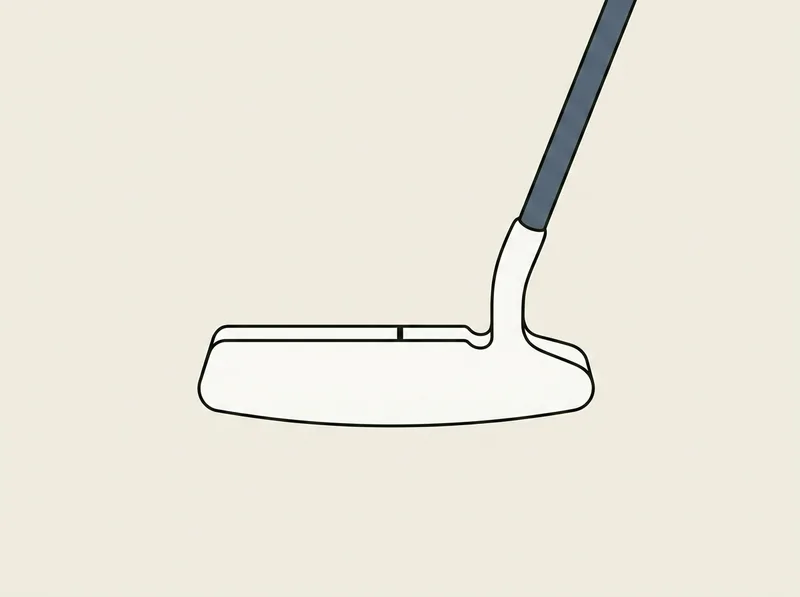 Around £90 to £150
Ping Anser
- Head type
- Heel and toe weighted blade
- Used price
- Around £90 to £150
- Face
- Milled or soft insert, family dependent
- Lengths
- 33, 34 and 35 inch
- The 1966 shape every other blade copies, still sold new today, so no used example is ever out of date.
- Mid toe hang suits the gently arcing stroke most golfers naturally make.
- Ping builds carry a reputation for outliving their owners, so used examples are usually honest clubs with nothing hidden.
- Almost no alignment help beyond a single sight mark cut into the top line.
- Spread across so many families, Sigma, Heppler, PLD and more, that pricing a listing takes homework.
- A blade hands an off centre strike straight to the ball, which is the strike a beginner hits most.
VerdictThe proven blade, and the right pick if your stroke arcs and your eye wants simplicity over help. Condition matters more than family name, so buy the cleanest one the budget reaches.
The case against is the case against blades generally: almost no alignment help and no bulk to rescue an off centre strike. That trade suits some beginners and works against more of them, which is the blade and mallet question this page settles properly below.
Odyssey Ai-One: too new to be a bargain
The Odyssey Ai-One is the newest design on this page and the clearest lesson in how new value and used value differ. The insert is shaped so that off centre strikes lose less pace, which is exactly the miss a beginner brings to the green, and graded examples start in the low £130s with the milled versions pushing past £200.
The problem is arithmetic rather than golf. The design is barely two seasons old, so depreciation has not done its work: a used Ai-One costs roughly double a used White Hot OG, and the extra money buys a refinement rather than a transformation.
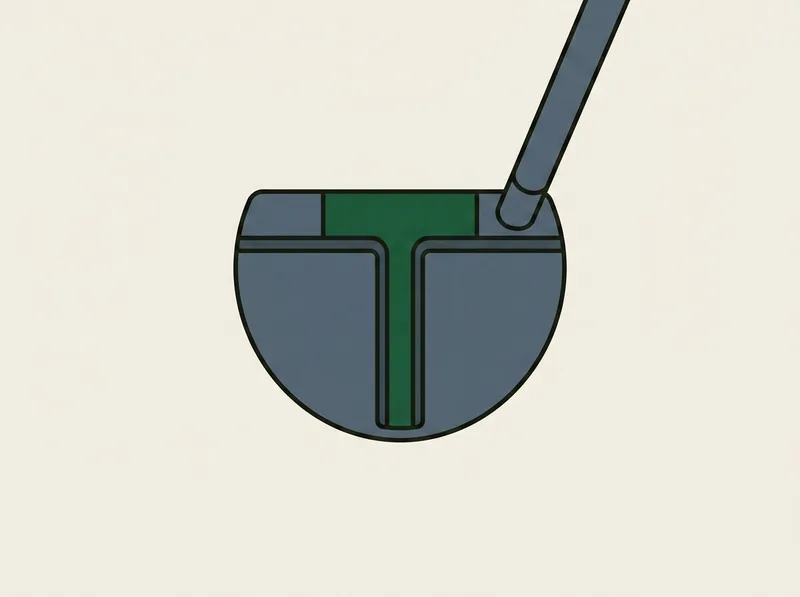 Around £130 to £200
Odyssey Ai-One
- Head type
- Modern mallets and blades
- Used price
- Around £130 to £200
- Face
- Insert designed to steady ball speed on mishits
- Lengths
- 33, 34 and 35 inch
- The insert is shaped so off centre strikes lose less pace, which is precisely the miss a beginner brings to the green.
- Sold new right now, so used examples are one careful owner old with modern grips and shafts.
- Graded supply is already real, with common heads starting in the low £130s.
- Too new for a proper used discount, so it trades close to what discounted new stock sometimes costs.
- The milled versions push past £200, which is Newport money without the Newport's resale.
- Model names multiply quickly, Square 2 Square, Milled, Rossie, and the racks mix them freely.
VerdictA very good putter that is simply too young to be a great used one. Wait a season for depreciation to do its work, or buy the White Hot OG above and bank the difference.
It sits here as a marker rather than a recommendation. When its first owners chase the next release, this head will fall into the window the White Hot OG occupies now, and it will very likely climb this list. Paying today's used price means paying nearly new money for a second hand club, which is the one deal this page exists to argue against.
Cleveland Frontline Elite: good club, thin deal
The Cleveland Frontline Elite ranks last for reasons that have nothing to do with how it putts. The mallet versions, the Elevado and the 8.0, are face balanced, forward weighted and clearly marked for aim, which is a genuinely sensible recipe for a new golfer. Graded examples sit around £80 to £110.
The deal is the problem. It lists under £200 new and spends much of the year discounted, so the cash between a used one and a boxed one is the smallest on this page. Supply runs the same way: Cleveland sells a fraction of what the big putter names do in the UK, so the second hand racks rarely hold more than a handful.
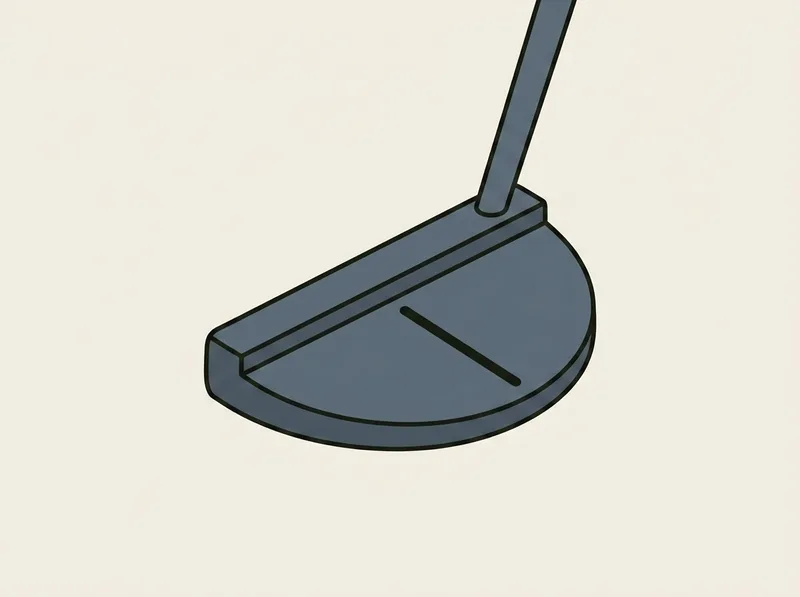 Around £80 to £110
Cleveland Frontline Elite
- Head type
- Forward weighted mallets and blades
- Used price
- Around £80 to £110
- Face
- Milled pattern steel
- Lengths
- 33, 34 and 35 inch
- The Elevado and 8.0 mallet heads are face balanced and clearly marked for aim, a genuinely sensible beginner recipe.
- Forward weighting keeps the face stable through impact rather than relying on the golfer to do it.
- Graded examples sit around £100, the cheapest current generation putter on this page.
- It lists under £200 new and is discounted often, so the cash saved by buying used is the smallest here.
- Cleveland sells far fewer putters in the UK than the big four names, so used supply is the thinnest on this page.
- Resale interest is low, which costs on the way out even though it never mattered on the way in.
VerdictNothing wrong with the golf club, everything limited about the deal. It ranks last because the used market barely undercuts its own new price, not because a beginner would putt badly with it.
Take it as the control group for the whole list. The used market only pays properly when the new price was high and the design is durable, and the Frontline Elite has the durability without the headroom. If one turns up in the right length at the right money it will putt just fine; it simply will not have been much of a bargain, and the six names above it will have been.
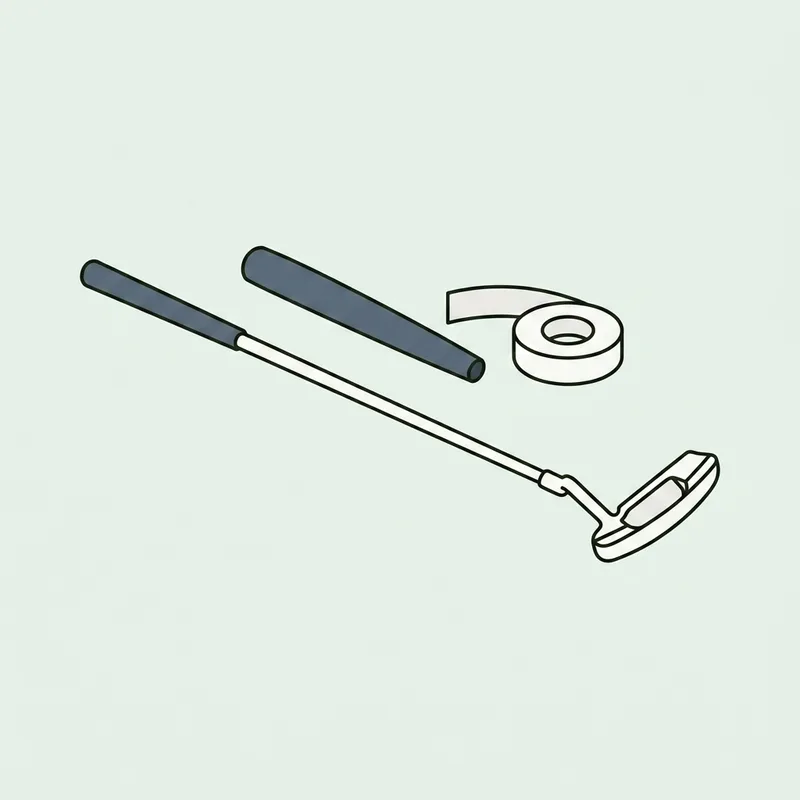
What actually wears on a putter, and what it costs to fix
The list of things that wear at walking pace is short, and everything on it is cheap. The grip goes first, because hands are harder on rubber than balls are on steel: a glazed, shiny putter grip costs feel and encourages a tight hold, and replacing it is a £15 job done while you wait. Treat a regrip as part of the purchase price of any second hand putter, not as a fault in it.
The face comes second, and only on insert models. Urethane faces from the White Hot era onward can pick up dents and gouges, almost always from rattling around uncovered in a boot rather than from putting. Run a thumbnail across the insert: marks you can feel are a discount conversation, marks you can only see are character.
The shaft is the check nobody makes. A putter that has been stepped on or crushed under a travel bag can carry a subtle bend that drags the face open or shut at address, so sight down the shaft from grip to head before paying. Checking a used club properly takes ten minutes and no tools, and a putter needs only the short version. The wider habits that make buying used clubs safe, condition grades, returns policies, reading the listing before the photographs, apply here at lower stakes than anywhere else in the bag.
Blade or mallet when you are starting
A mallet spreads its weight wide and deep, so the face twists less when the strike misses the centre, and its big body carries the lines, channels and discs that make aim obvious. A blade concentrates weight behind the ball, gives the eye a slim, quiet shape, and asks the golfer to supply the consistency the head does not. Roll ten putts and watch whether the head swings straight back and through or on a gentle arc: face-balanced mallets suit the first pattern, toe hang blades the second.
For a beginner the practical answer leans mallet, and the market agrees: the new putters that suit beginners are mostly mallets for exactly these reasons. The Spider, the 2-Ball and the fang shaped OG Seven all sell forgiveness and alignment first, which is where a new golfer's strokes actually leak.
Length: the cheap fix almost nobody makes
Used putters mostly turn up at 34 and 35 inches, and plenty of the golfers buying them would putt better at 33. The test costs nothing: set up comfortably, let the arms hang, and check the eyes sit over or just inside the ball. If the putter forces a reach or a crouch to get there, it is the wrong length, however right the head is.
The fix is one of the cheapest alterations in golf. Any repair counter will cut a shaft down and fit the new grip the club needed anyway, so a 35 inch bargain in the wrong length is still a bargain. The R&A's equipment rules leave enormous room: Rule 2.1c requires every club to measure at least 18 inches, and the 48 inch ceiling that binds the rest of the bag exempts the putter entirely, which is why broomstick models remain legal. Cutting down does make the head feel lighter in the hands, so putt with the length before and after and expect a short adjustment period.
The used Scotty Cameron question, answered properly
Second hand Camerons confuse buyers because the usual used club promise, the big discount, never arrives. A Newport 2 keeps most of its £399 price for years, so the saving over new is modest and the internet is full of people calling that a rip-off. It is the opposite: the price holding is the evidence. A club that resells at most of its cost is a club the market believes will outlast its owner, and owning one for two seasons then selling it costs less than owning a putter half its price that nobody wants back.
So buy a used Cameron for the build and the resale, never for the discount, and only if a blade suits your stroke in the first place. The £160 to £300 it takes is real money in a beginner's budget, and the Spider and the OG above hole the same putts for less.
Authentication is the whole argument for paying a specialist that grades and authenticates second hand clubs rather than gambling on a stranger's photographs. It is also why where you buy used clubs deserves as much thought as what you buy: on most models the risk is a tired grip, and on a Cameron it is owning a £200 forgery.
What a second hand putter should cost
Every band on this page comes from live UK listings, and they sort into a ladder a beginner can climb or ignore. The honest news is that the bottom rungs hole putts too.
| What you can spend | What it buys second hand |
|---|---|
| Under £60 | Early 2-Balls and older Ansers, wear priced in, regrip due |
| £60 to £120 | White Hot OG blades, Cleveland's mallets, tidy mid generation Ansers |
| £120 to £200 | Fresh OG mallets, Spider Tour and Spider X, entry Ai-Ones |
| £200 to £300 | Newport 2 territory and the milled shelf generally |
What no putter at any price buys is makes from distance. The gap between handicaps on the green is mostly three putt avoidance, which is aim, pace and practice, and only the first of those is for sale.
Those numbers say the winning putts are short ones and the killer is pace from long range. Alignment aids and stable faces help both ends, which is why this ranking weights them, and the rest is repetition: ten minutes a day on a putting mat does more for three putt numbers than any head design sold at any price.
Key takeaways
- A putter swings at walking pace, so nothing that matters wears: it is the most rational second hand buy in golf.
- The Odyssey White Hot OG at around £80 to £145 is the pick: a proven insert, every head shape, and deep UK used supply.
- The TaylorMade Spider Tour buys the most stability and the clearest aim; the Scotty Cameron Newport 2 buys build quality that holds its money.
- £120 second hand buys premium build that £120 new cannot touch, which makes entry level new putters the worst value on the green.
- Grips wear and faces barely do: budget £15 for a regrip on any used putter, check inserts for dents and sight down the shaft for bends.
- Blade against mallet is genuinely contested; this page leans face-balanced mallet while a beginner's stroke settles.
- Buy Camerons and other premium names from sellers that grade and authenticate stock, because fakes cluster at tempting prices.
Common questions
What is the best used putter for a beginner?
The Odyssey White Hot OG, at around £80 to £145 second hand. Its insert has been proven over twenty five years, it comes in blade, mid mallet and fang shapes so the head can match the stroke, and UK used supply is deep enough to buy on condition. The TaylorMade Spider Tour is the stronger pick if aiming and off centre strikes are the bigger struggle.
How much should a second hand putter cost?
Between about £40 and £200 covers every sensible beginner buy. Around £40 to £75 buys an early Odyssey 2-Ball, £80 to £145 a White Hot OG, £110 to £180 a Spider Tour or Spider X, and beyond £200 the money is buying milled prestige rather than holed putts. Whatever the price, budget £15 more for a fresh grip.
Is a used Scotty Cameron worth it?
Yes, with the right expectation. A Newport 2 holds its value so well that used examples run around £160 to £300 against £399 and up new, which is a small discount by used club standards. What you are buying is milled build quality that can be serviced for decades and resold for most of its cost, not a bargain. Buy from a seller that authenticates stock.
How do I spot a fake Scotty Cameron?
Price first: genuine Camerons rarely sell far below their normal used band, and fakes cluster at tempting discounts in open marketplaces. Soft or uneven stamping, a head that feels light and a box-fresh headcover on a supposedly played club are the classic tells, but modern fakes pass casual photographs. The reliable answer is buying from a specialist that grades and authenticates rather than trusting your eye.
Should a beginner use a blade or a mallet putter?
A mallet in most cases. Its weight sits wide and deep, so the face twists less on off centre strikes, and its alignment features make square obvious, which are the two helps a new golfer cashes in every round. A blade suits a stroke that arcs and already repeats. Coaches genuinely differ here, so treat the mallet as the default rather than a law.
What length putter should a beginner buy?
Whatever length puts your eyes over or just inside the ball with the arms hanging naturally, which for most adults lands between 33 and 35 inches. Used stock leans to 34 and 35 inches, so shorter golfers should assume a trim. Buy on head and condition first, because length is the one specification a repair counter changes cheaply.
Is it OK to cut down a used putter?
Yes. The R&A's equipment rules require only that a club measures at least 18 inches, so trimming a 35 inch putter to 33 is fully legal and any repair counter will do it while fitting the new grip. Cutting down makes the head feel slightly lighter through the stroke, so expect a short adjustment period, and lead tape can restore the weight if it feels empty.
Do putters wear out?
Not in any way that matters at walking pace. Heads and faces outlast their owners; what wears is the grip, a £15 consumable, and insert faces can pick up dents from careless storage rather than use. The hidden fault worth checking is a bent shaft from being crushed in a boot. A used putter with a clean face, straight shaft and fresh grip is functionally new at any age.
Should I replace the grip on a used putter?
By default, yes. The grip is the only part of the club you touch, it carries the previous owner's wear pattern and hand pressure history, and a glazed surface encourages exactly the tight hold that ruins pace control. A new putter grip costs around £15 fitted and takes minutes. Fold it into the purchase price of every second hand putter rather than treating it as an extra.
Are old Odyssey 2-Ball putters still good?
Yes, and they are the best cheap buy in used putting. The 2-Ball's job is alignment, and its two discs do that job identically on a twenty year old head and a current one. Check the insert for dents, sight the shaft for straightness and plan on a regrip, and a £50 example gives a beginner a premium aiming aid for the price of a night at the driving range.
How we put this together
- Live UK second hand listings for every model in September 2026, which set each price band. No band is converted from another currency or inherited from launch coverage.
- Alignment help, head stability and face balance on every model, because those are the qualities a beginner's stroke cashes in first.
- How long each design has been sold in essentially its current form, which is what makes an old example safe to buy.
- Shot Scope's putting data by handicap, which sets the stroke and the misses this page assumes.
- The R&A Rules of Equipment on club length, which decide what can legally be done to a used putter after purchase.
On this page
- Why the putter is the most rational used buy in golf
- The seven, compared
- Odyssey White Hot OG: the default used putter
- TaylorMade Spider Tour: stability and the clearest aim
- Scotty Cameron Newport 2: the build quality buy
- Odyssey 2-Ball: alignment help from £40
- Ping Anser: the proven blade
- Odyssey Ai-One: too new to be a bargain
- Cleveland Frontline Elite: good club, thin deal
- What actually wears on a putter, and what it costs to fix
- Blade or mallet when you are starting
- Length: the cheap fix almost nobody makes
- The used Scotty Cameron question, answered properly
- What a second hand putter should cost
- How we put this together

Tom Ashworth
Tom Ashworth is a PGA Professional who has taught golf since 2012, working mainly with beginners and mid-handicappers at club level in Surrey. He reviews the instruction guides on Learn Golf for technical accuracy before they publish.
Most of his teaching is with players in their first three years of the game, and most arrive having been told too much: six swing thoughts collected from videos, half of them contradicting each other. His approach is to check the grip and the alignment before touching the swing, on the basis that most bad ball flight is decided at address.