7 Best Used Golf Clubs for Seniors: Second Hand Done Right
Senior builds carry a premium new and depreciate like everything else, which makes the used market the cheapest route into the right club. The catch is that senior flex is a minority of second hand stock, and finding it is a skill of its own.
Some links here earn us a commission at no extra cost to you. It never changes what we recommend or the order we rank it. How this works.
Golf sells the right senior club at the wrong price. Lightweight heads, senior flex graphite and extra loft cost a premium new, then depreciate exactly like everything else, which makes second hand the cheap route into the correct build rather than a compromise. The catch is supply: senior builds are a minority of the used market, and knowing where and what to look for matters more here than in any other category. These seven earn the search.
What a senior build actually changes
A senior build is not a normal club sold politely. Four specifications move together. Total weight drops, with driver builds falling toward 280 grams against well over 300 for a standard club. The shaft changes twice over, to a softer flex and to lighter graphite, with senior driver shafts in the 40 to 50 gram class where standard builds run heavier. Loft goes up, because a slower swing needs more of it to reach the same height. And grips can go up a size, which matters to arthritic hands more than any head technology.
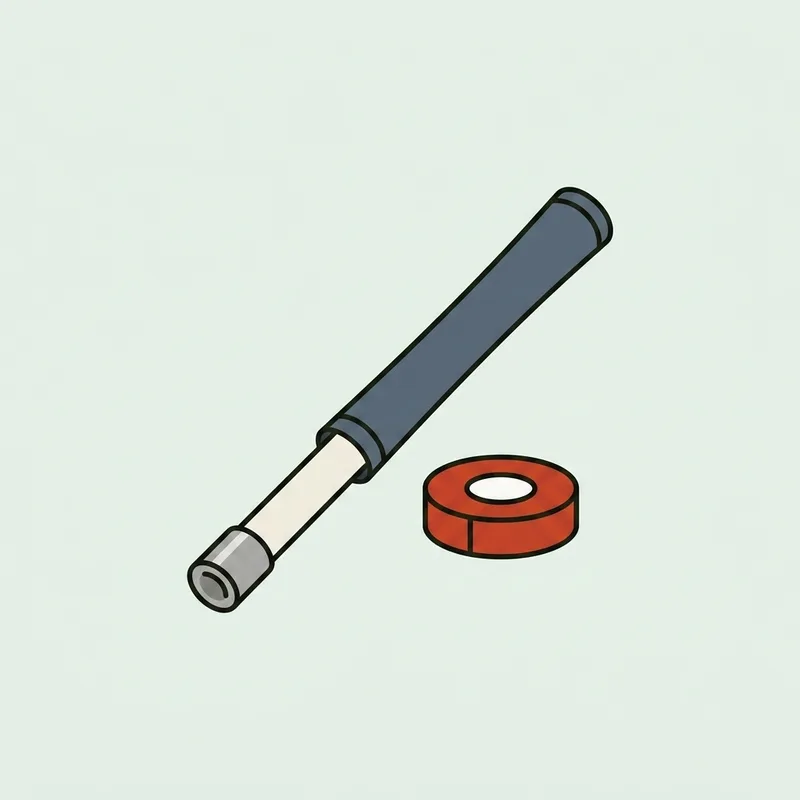
That last one is the cheapest conversion in golf, and it works on any used club. An oversize grip costs around £10 a club fitted, sits comfortably inside the R&A's limit of 1.75 inches on grip cross-section under Rule 2.3b, and turns a standard second hand set into an arthritis-friendly one for less than the price of one new wedge. Buy the right head and shaft used, and budget the grips as a fitting cost.
The first three cannot be retrofitted cheaply: reshafting a full set costs more than the set, so the senior spec has to be there in the listing. A flex, senior, soft regular or SR in the shaft line, graphite rather than steel, and loft at the high end of what the model offered.
The seven, compared
The ranking runs on used value for a senior golfer, which weighs what the club does for a slower swing, what the senior build costs second hand, and how findable that build actually is. A perfect club that never surfaces in A flex is not a purchase, it is a wish.
| Pick | Best for | Club type | Used price | Flex options | Launched | Price |
|---|---|---|---|---|---|---|
| Ping G430 Hybrid | The best value senior club in golf, replacing the hardest clubs in the bag | Hybrid | Around £140 to £175 | Ping soft regular, regular, stiff | 2023 | Around £140 to £175 |
| TaylorMade Qi35 Max Lite | A current generation driver built light from the factory, already at half price | Driver | Around £250 to £320 | Senior and regular, 40g class shafts | 2025 | Around £250 to £320 |
| Callaway Paradym Ai Smoke Irons | A senior graphite iron set from 2024 at well under half its new price | Iron set, 5-PW | Around £420 to £550 | Senior graphite, regular graphite, steel | 2024 | Around £420 to £550 |
| Ping G425 Max | The proven forgiving head, if you can find the soft regular build | Driver | Around £200 to £290 | Soft regular, regular, stiff | 2021 | Around £200 to £290 |
| Cleveland Launcher XL Halo Hy-Wood | The cheapest club on this page that genuinely changes a senior bag | Hy-wood | Around £65 to £120 | A flex graphite, regular, ladies | 2021 | Around £65 to £120 |
| Wilson Launch Pad 2 Irons | The budget senior iron set, hybrid-like help at a fraction of the Callaway money | Iron set | Around £190 to £300 | Senior graphite, regular graphite, steel | 2022 | Around £190 to £300 |
| XXIO 12 Driver | The dedicated senior brand, if you accept the smallest discount on this page | Driver | Around £250 to £330 | SR is the standard build | 2021 | Around £250 to £330 |
Ping G430 hybrid: the senior club the used market actually stocks
The Ping G430 hybrid in senior flex is the club this page would buy first, and the reasons stack. Six heads run from 17° to 34°, so one model replaces everything from a long iron to a 7 iron. The head does its launching low and deep, which suits a sweeping senior strike. And unlike almost everything else here, its soft regular builds genuinely appear in graded second hand stock rather than existing only in theory, at around £140 to £175 against a Ping hybrid's new price well north of £220.
The senior case is specific: long irons demand clubhead speed that age retires first, and a 26° or 30° hybrid does the same job with the speed a senior swing actually has.
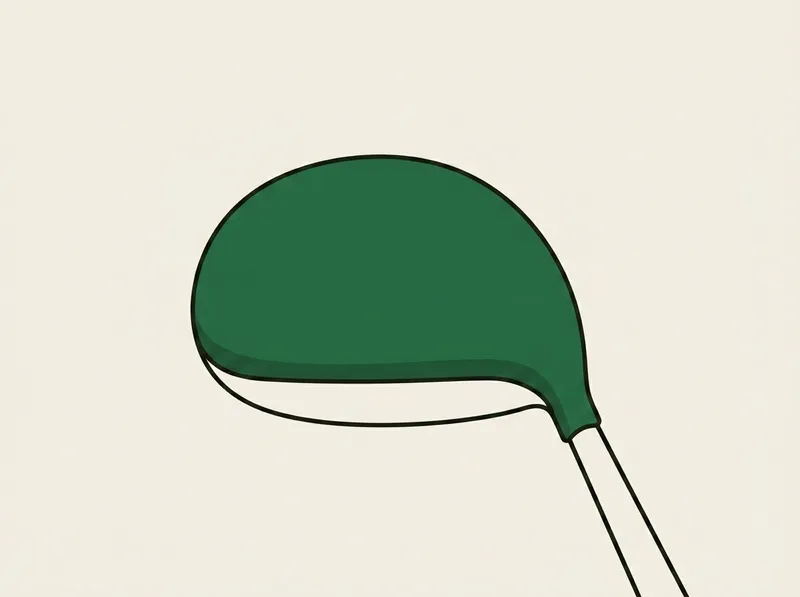 Around £140 to £175
Ping G430 Hybrid
- Club type
- Hybrid
- Used price
- Around £140 to £175
- Flex options
- Ping soft regular, regular, stiff
- Launched
- 2023
- Six heads from 17° to 34° cover everything from a driving club to a 7 iron replacement, so one model can rebuild half a senior bag.
- Soft regular builds turn up in graded senior flex stock more reliably than any other current hybrid.
- Young enough that most used examples still carry their original grip and a face with years left in it.
- The 30° and 34° heads that replace mid irons are the scarcest lofts second hand.
- Holds its value the way Ping clubs do, so the discount against new is solid rather than spectacular.
- The adjustable hosel arrives however the last owner left it, and nothing on the club says which setting that is.
VerdictThe strongest used buy for a senior golfer, because it replaces the clubs that punish a slower swing hardest and its senior builds genuinely exist second hand. Start at 26° and work outwards in both directions as budget allows.
The buying order matters. Start at 26°, which replaces the hardest iron most seniors still carry, then extend to 22° and 30° as examples appear. The new hybrids built for senior swings show what the same logic costs at full price, and the gap funds a second head.
TaylorMade Qi35 Max Lite: current technology, factory light, half price
The TaylorMade Qi35 Max Lite is the rare used senior driver that was designed light rather than lightened. TaylorMade built it as the lightweight member of the 2025 Qi35 family, with the stock Vanquish 40 shaft offered in a true A flex, 10.5° and 12° heads, and 2° of hosel adjustment on top. A club that still sells new for over £500 now trades around £250 to £320 second hand, and graded senior flex examples exist at the bottom of that band.
The factory-light distinction is worth the premium: a standard driver softened with an aftermarket senior shaft still swings a head built for somebody heavier, while the Max Lite's head, shaft and grip were engineered as one light package.
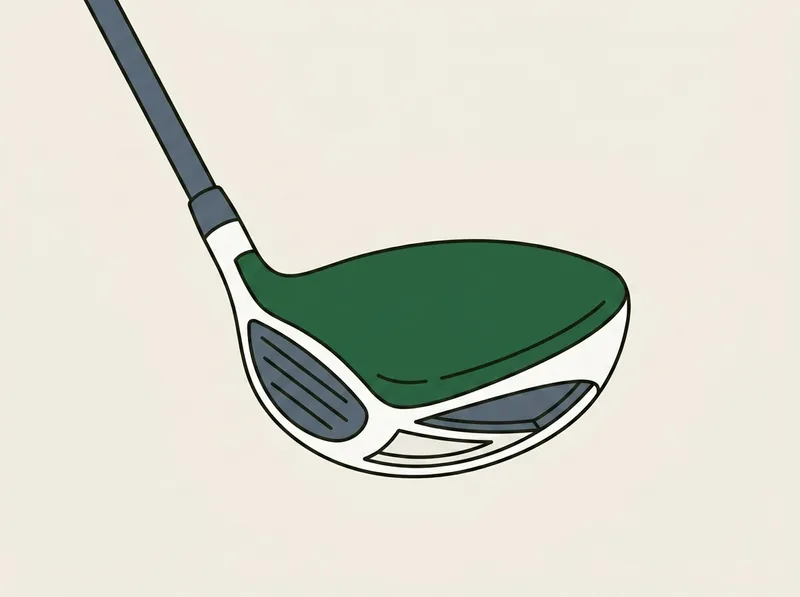 Around £250 to £320
TaylorMade Qi35 Max Lite
- Club type
- Driver
- Used price
- Around £250 to £320
- Flex options
- Senior and regular, 40g class shafts
- Launched
- 2025
- Purpose-built as the lightweight member of the Qi35 family rather than a standard head with a soft shaft screwed in.
- The stock Vanquish 40 comes in a true A flex, so the right senior build exists without a custom order.
- 10.5° and 12° heads with 2° of hosel adjustment reach all the loft a senior launch needs.
- The newest club on this page, so the used discount is the second smallest here.
- Lite heads are a small slice of the Qi35 pool, and the standard and Max versions on the same racks are heavier builds.
- Too recent for the used market to have settled, so prices swing week to week with stock.
VerdictThe driver to buy when the budget allows current technology, because the lightweight build is designed in rather than bolted on. Confirm the word Lite in the listing, because the rest of the Qi35 family does not swing like this club.
The word to hold onto is Lite. The standard Qi35 and the Qi35 Max share racks and photographs with this club, and both are heavier builds aimed at faster swings. If the used pool offers nothing in your loft, the new clubs built for seniors show what the same technology costs at full price while stock refills.
Callaway Paradym Ai Smoke irons: the one-decision iron replacement
Callaway's Paradym Ai Smoke irons fix a whole senior bag's worth of problems in one purchase. The heads carry wide soles and real offset, so the launch help is built in, and the factory senior option put 50 gram class graphite under every iron. A 5-PW graphite set listed at around £1,100 new in 2024 now sells second hand at around £420 to £550, which is the largest single cash saving on this page.
For a senior golfer still playing the steel-shafted irons of a younger swing, this is where the used market helps most: iron sets multiply every decision by seven, so getting the build right once beats upgrading club by club.
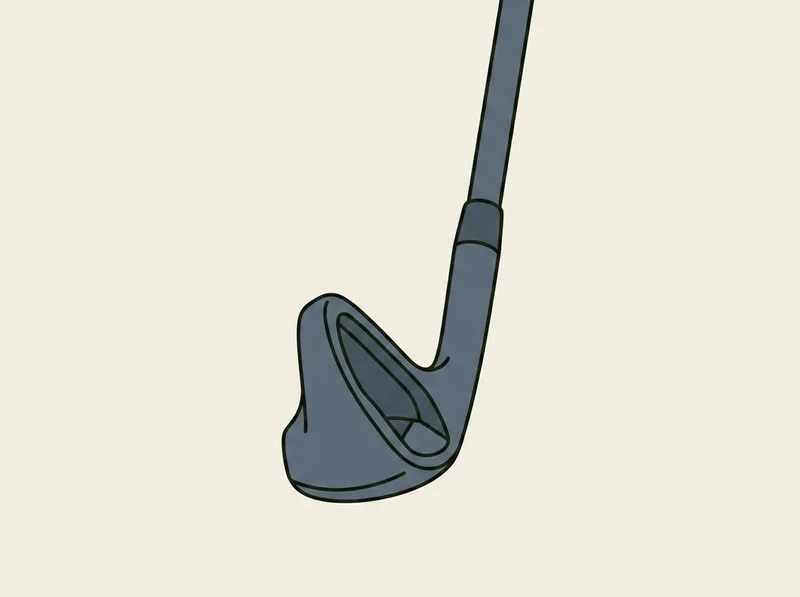 Around £420 to £550
Callaway Paradym Ai Smoke Irons
- Club type
- Iron set, 5-PW
- Used price
- Around £420 to £550
- Flex options
- Senior graphite, regular graphite, steel
- Launched
- 2024
- A 50 gram class graphite senior build was a standard factory option, not a fitter's special, so used sets exist in the right spec.
- Wide soles and generous offset do the launching, which is exactly the help a slower swing wants from its irons.
- A graphite set listed at around £1,100 new now trades at well under half that, the deepest cash saving on this page.
- Senior flex sets sell through faster than any other build, so the right one needs buying when it appears rather than watched.
- Recent enough that the set still costs more than an entire older senior bag.
- Left handed senior sets are close to non-existent second hand.
VerdictThe set for a senior golfer replacing tired irons in one decision, with the launch help built into the heads and the weight taken out of the shafts. Move quickly when a senior graphite set surfaces, because they do not wait around.
The catch is velocity. Senior graphite sets are the fastest-selling build in used irons, so the right set gets bought the week it appears, not watched for a month. Building the rest of the bag around a set like this is its own project, and second hand club sets answer it for golfers starting from nothing.
Ping G425 Max: the right head, the rare build
The Ping G425 Max earned its reputation as one of the most stable driver heads of its generation, and stability pays a senior golfer the same dividend it pays everyone else: bad strikes go straighter and lose less. At around £200 to £290 with five years of depreciation absorbed, the head is a settled bargain. The Alta CB 55 Slate shaft came in soft regular, Ping's senior equivalent, as a stock option.
The problem is arithmetic: soft regular examples are a small share of a very large pool, so most of what surfaces is a build for somebody else's swing. This is the club that teaches the senior buyer's core discipline. The model is not the purchase, the build is.
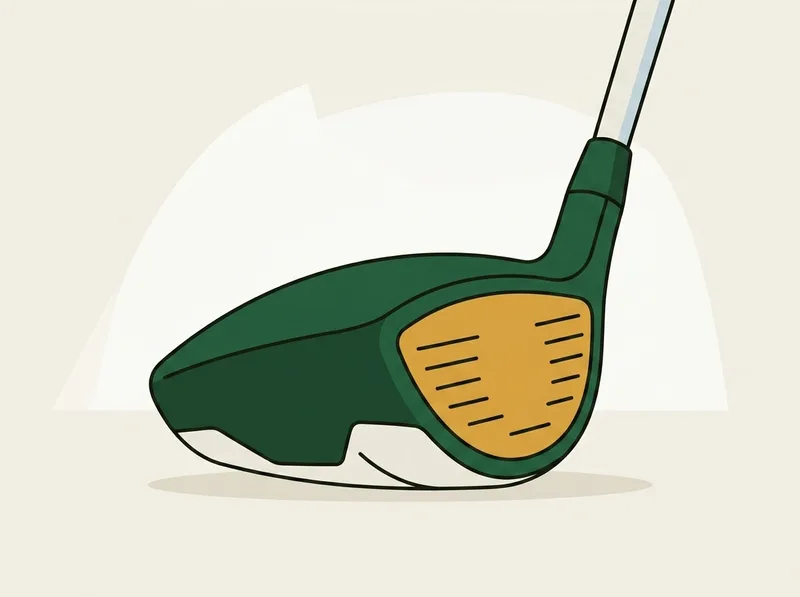 Around £200 to £290
Ping G425 Max
- Club type
- Driver
- Used price
- Around £200 to £290
- Flex options
- Soft regular, regular, stiff
- Launched
- 2021
- One of the most stable heads of its generation, and stability is worth most to strikes that wander across the face.
- The Alta CB 55 Slate came in a genuine soft regular, Ping's senior equivalent, as a stock option.
- Five years of depreciation are absorbed, so there is almost nothing left for it to lose.
- Soft regular examples are a small share of a big used pool, and the hunt for one can take weeks.
- At five years old, grips are often glazed and faces have met range mats, so condition needs checking club by club.
- The heavier regular builds it mostly turns up in are the wrong purchase for the golfer this page is for.
VerdictThe right head at the right price, held back only by how rarely the senior build surfaces. Set a saved search for the soft regular and buy on condition when it appears, or take the SFT version if the miss is a persistent fade.
Cleveland Launcher XL Halo Hy-Wood: the most club per pound
The Launcher XL Halo Hy-Wood is what happens when a maker designs directly for this page's reader. Part fairway wood and part hybrid, it carries rails along the sole to keep the club moving through the shallow, sweeping strikes slower swings produce, and it was sold in A flex graphite from the start because seniors were the target market rather than an afterthought.
Second hand it costs around £65 to £120, the least on this page, and it replaces the shots that embarrass a senior round most reliably: the long approach from the fairway that a 5 wood tops and a long iron cannot lift.
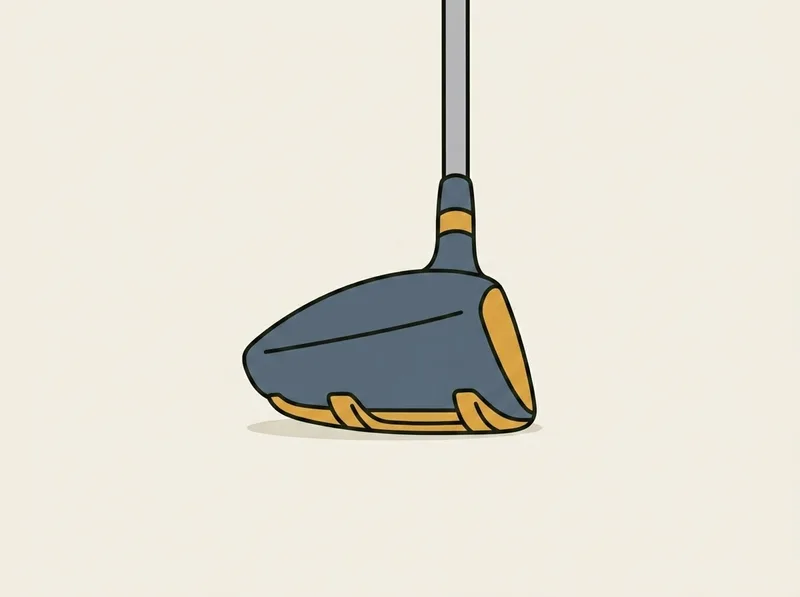 Around £65 to £120
Cleveland Launcher XL Halo Hy-Wood
- Club type
- Hy-wood
- Used price
- Around £65 to £120
- Flex options
- A flex graphite, regular, ladies
- Launched
- 2021
- Half fairway wood and half hybrid, built to be hit off the deck by golfers who no longer flush long clubs.
- Rails on the sole keep it moving through the shallow, sweeping strikes that slower swings produce.
- A flex graphite builds are common because the club was aimed at this buyer from the start.
- A niche club type, so the used pool is small and the exact loft takes patience.
- Solves one slot in the bag rather than several, unlike the hybrids above it.
- Resale value is thin when the time comes to move it on.
VerdictThe best pound-for-pound purchase here, turning the longest, hardest shots in a senior round into something hittable for the price of a restaurant dinner. It sits mid-table only because it fixes one club, not half a bag.
It ranks mid-table for scope, not quality. One Hy-Wood fixes one slot in the bag, where the hybrids above rebuild several, and the used pool for a niche club type is small enough that the right loft takes patience.
Wilson Launch Pad 2 irons: the budget set that launches itself
The Launch Pad 2 irons apply the hybrid trick to a whole iron set. The soles are so wide the clubs behave like hybrids at address and through the turf, the lofts sit on the helpful side, and Wilson sold a senior graphite build on 55 gram class shafts that turns up in UK used stock far more often than premium equivalents. Sets trade at around £190 to £300, which undercuts the Callaway set above by more than half.
What the money forgoes is subtlety and resale. The profile at address is unapologetically chunky, and the sets are worth little when moved on, so this is a buy-and-play decision rather than a stepping stone.
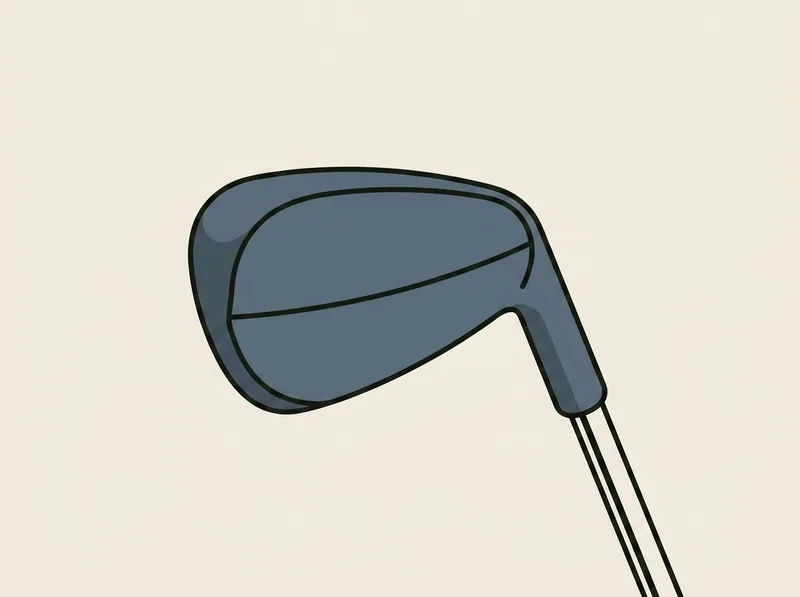 Around £190 to £300
Wilson Launch Pad 2 Irons
- Club type
- Iron set
- Used price
- Around £190 to £300
- Flex options
- Senior graphite, regular graphite, steel
- Launched
- 2022
- Soles so wide the irons behave like hybrids, which is the most launch help money buys in an iron shape.
- Senior graphite builds on 55 gram class shafts are genuinely common in UK used stock.
- Wilson's pricing means a full set costs less than a single premium used driver.
- The chunky profile at address divides opinion, and no amount of golf changes that.
- Steel-shafted regular sets dominate the racks, and they are the wrong build for this buyer.
- Worth little when resold, so it is a set to use up rather than trade through.
VerdictThe value iron set for a senior golfer who wants the ball up and out without spending Callaway money. Insist on the graphite senior build and ignore the steel sets that share its name.
The build discipline holds here more than anywhere: the racks hold plenty of steel-shafted regular Launch Pads, and every one of them is the wrong club for the golfer this page is written for.
XXIO 12: the senior specialist that never goes cheap
XXIO is the one major brand built entirely around moderate swing speeds, and the XXIO 12 driver is the purest expression of it a used buyer will find: a featherweight total build, SR flex as the standard fitting, and engineering spent on making a 75 mph swing feel like enough. New it cost around £650; second hand it holds around £250 to £330, and that number is the story.
The used market prices senior demand efficiently. Because every XXIO is the right build for this buyer, nobody sells them cheap, supply is thin, and the discount that makes the rest of this page work barely exists here.
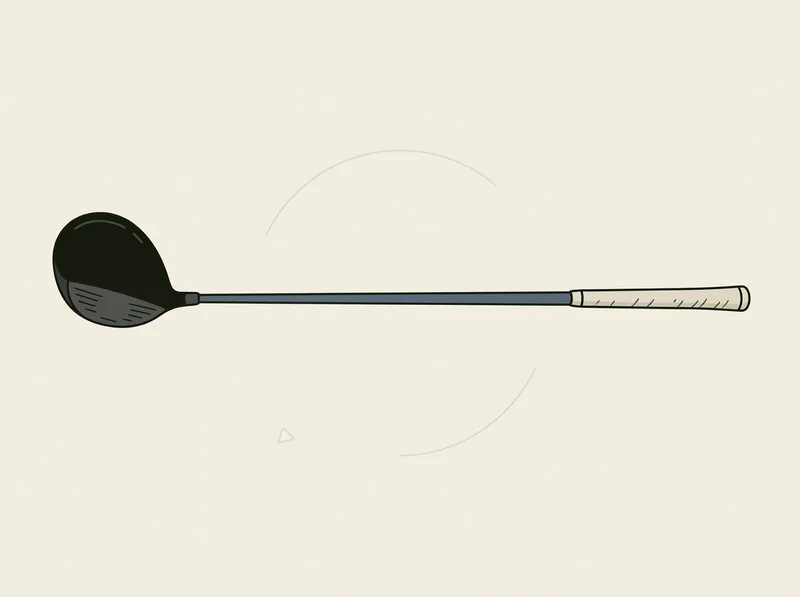 Around £250 to £330
XXIO 12 Driver
- Club type
- Driver
- Used price
- Around £250 to £330
- Flex options
- SR is the standard build
- Launched
- 2021
- Engineered entirely around moderate swing speeds, with a light total build as the default rather than an option.
- SR flex is the standard fitting, so almost every used example is already the right build.
- Around £650 new, so even a modest percentage discount is a real cash saving.
- Holds its value stubbornly, so the used discount is the smallest on this page.
- UK second hand supply is thin, and left handed examples are close to mythical.
- The price of a used XXIO buys a newer mainstream head in senior flex with money left over.
VerdictProof that the used market prices senior clubs efficiently: the one brand built entirely for this golfer is the one that never gets cheap. Buy it for the build quality and the featherweight feel, not for the bargain, because there is not one.
The honest comparison: a used XXIO 12 costs about the same as the newer Qi35 Max Lite above, and more than a soft regular G425 Max with money left for grips. It earns its place through build quality and feel, not value, and it ranks accordingly.
Senior flex against regular, honestly
Senior flex is a label, not a standard: no governing body defines what A flex measures, no two brands agree on where it sits, and one maker's senior can play like another's regular. The real measure is swing speed, and estimating your shaft flex from carry distance beats trusting any letter painted on a used club.
What the label reliably signals is weight and softness moving in the right direction: the shaft bends more for a given force, which helps a slower swing load it, and weighs less, which helps it accelerate. Needing one is a speed question, not an age question. Plenty of seventy-year-olds swing fast enough for regular, and plenty of forty-year-olds would launch it better from an A flex.
Loft is the cheapest speed on sale
Distance lost to age comes back two ways: swing harder, or launch better. The second one is for sale on every used rack. A slower swing delivers less spin and less height, so the ball falls out of the sky early unless loft puts it up there, which is why 10.5° is the sensible floor for a senior driver and 12° suits most. Most of the best drivers for senior swings ship at 10.5° or 12° as standard, which says what the makers know about senior launch.
The same argument retires long irons. A 4 iron needs speed to fly that a 26° hybrid does not, and the swap costs nothing in yardage at senior speeds because the iron was not flying properly anyway. A senior bag rarely needs anything longer than a 4 hybrid, and the wider second hand hybrid market covers every loft and budget this page does not.
Accuracy softens the blow. Arccos's 2026 driving distance report, built from over 5 million rounds, found fairway percentages climb by 18 points for men between their 20s and their 70s. The senior game trades carry for control, and a bag built light and lofted leans into the half of that trade that improves.
What senior builds cost used against new
The premium on senior builds is real at both ends of the market, which is exactly why the used route pays better here than for any other golfer.
| Senior build | Typical price new | Second hand, September 2026 |
|---|---|---|
| Lightweight driver in senior flex, current generation | £400 to £550 | Around £250 to £320, one generation back |
| Hybrid in senior flex | £220 to £300 | Around £75 to £215 |
| Graphite iron set in senior flex, 5-PW | £1,000 plus | Around £420 to £550 for a 2024 set |
| Dedicated senior brand driver | £650 plus | Around £250 to £330 |
Two patterns sit in that table: mainstream senior builds depreciate like standard clubs, so the discounts run deep, while the senior specialist holds value because its entire stock is the right build. Buy mainstream models in senior builds and the arithmetic works hardest, and the difference funds two seasons of golf balls suited to slower swings.
How to check a used graphite shaft
Nearly every club on this page runs graphite, and a used graphite shaft fails differently from steel, which is why the standard used club checks treat the shaft as one item on the list and this page treats it as the list. Three checks catch nearly everything.
Wear rings first. Roll the shaft slowly under raised light and look for a dull ring or flattened band a hand's width below the grip: bag chatter, years of the shaft rattling against the bag top and wearing through the finish. Cosmetic haze is normal; a ring you can feel with a fingernail is structural and the club is not worth having.
Sanding second. A shaft that looks matte in one patch and glossy elsewhere, or shows fine straight scratching around a single band, may have been sanded, which is sometimes cosmetic tidying and sometimes an amateur attempt to soften the flex. Either way the shaft no longer plays to its label.
Reshaft evidence third. Heat marks or bubbled paint at the hosel, a tip sitting proud of the ferrule, or a grip logo twisted off centre all say the shaft has been out of the head at some point, so the shaft named in the listing may not be the one fitted. Grips and grooves take thirty more seconds: a glazed grip is a £10 fix worth negotiating, and worn grooves matter mostly in wedges played from rough.
Where the senior flex stock actually is
Senior flex is a minority of second hand stock in every category, and the gap between categories is the useful knowledge. Senior hybrids are genuinely findable. Senior drivers surface in ones and twos. Senior iron sets appear and vanish inside a week. Left handed senior anything is rare enough to plan around rather than wait for.
That scarcity decides where to shop. Filtering by flex is the test that separates the places worth buying used clubs from: a specialist that grades and authenticates second hand clubs lets you shop the senior minority directly and back the purchase with returns, while a marketplace makes you scroll ten regular-flex listings for every relevant one and check each shaft yourself. The habits in buying second hand clubs safely apply in full, with the shaft checks above layered on top, because the shaft is most of what a senior buyer is paying for.
Patience is the other tool. Every club on this page except the iron sets can be waited for without the golf suffering, so set the search, play the clubs you have, and buy when the spec is right rather than when the boredom is.
Key takeaways
- Senior builds cost a premium new and depreciate like everything else, so second hand is the cheap route into the right club, not a compromise.
- The Ping G430 hybrid in senior flex is the best used buy for most seniors at around £140 to £175, because it replaces the clubs a slower swing struggles with most.
- The TaylorMade Qi35 Max Lite is the driver pick at around £250 to £320, a factory-light 2025 build already at roughly half price.
- Senior graphite iron sets are the fastest-selling used build: when a Paradym Ai Smoke or Launch Pad 2 set appears in senior flex, decide fast.
- A flex is a label with no cross-brand standard. Fit by swing speed and carry distance, not by age or by the letter on the shaft.
- Take 10.5° or 12° in a driver and swap long irons for 26° to 30° hybrids; loft is the cheapest distance a slower swing can buy.
- Check used graphite for wear rings, sanding and reshaft evidence before paying, and budget around £10 a club for oversize grips if hands ache.
- Senior flex is a minority of used stock, so shop somewhere that lets you filter by flex and grades what it sells.
Common questions
What flex should a 70 year old use?
The flex that matches the swing, not the birthday. As a working rule, a driver carry under about 180 yards points to senior or A flex on a light shaft, and comfortably over 200 points to regular. Age only enters the answer through swing speed.
Are second hand senior golf clubs worth it?
Yes, and more so than standard clubs. Senior builds carry a price premium new and depreciate just as hard, so the used discount buys the same technology at a third to a half of new price. The caveat is supply: senior flex is a minority of used stock, so the search takes longer and the right build should be bought when it appears.
Should seniors use graphite shafts?
Almost always, in everything from driver to irons. Graphite saves tens of grams per club over steel, which a slower swing converts directly into clubhead speed and height, and it transmits less vibration to hands and joints that feel every strike. Steel keeps a place only for seniors with genuinely quick swings who prefer its weight.
How much should second hand senior golf clubs cost?
In September 2026, around £250 to £320 for a recent lightweight driver in senior flex, £75 to £215 for a senior flex hybrid, and £190 to £550 for a graphite senior iron set depending on age and brand. Prices far below those bands usually mean an old generation, a condition problem or the wrong shaft wearing a hopeful label.
What loft driver should a senior golfer use?
Twelve degrees suits most senior swings, and 10.5° is the sensible floor. A slower swing produces less spin and height, so the ball needs loft to stay airborne long enough to carry. The 9° heads that dominate used racks are built for speeds most senior golfers no longer swing at, however tempting the price.
Are used XXIO clubs a good buy?
They are a good club and a poor bargain. XXIO builds everything for moderate swing speeds, so every used example is the right spec, but that same fact keeps demand high and the discount small, with used XXIO 12 drivers holding around £250 to £330. Buy one for the feel and the build quality, and buy a mainstream brand's senior build for the value.
Should a senior replace long irons with hybrids?
Yes, and it is the single most effective equipment change a senior golfer can make. Long irons need clubhead speed to fly that slower swings no longer supply, while a 22° to 30° hybrid launches the same distances with the speed available. Most senior bags play better with nothing longer than a 4 hybrid between the woods and the mid irons.
How can you tell if a used graphite shaft is worn out?
Roll it under raised light and feel for trouble. A dull ring below the grip that catches a fingernail is bag wear into the fibres, a patch of matte finish or fine straight scratches suggests sanding, and heat marks at the hosel or a twisted grip logo point to a reshaft. Any of those means the shaft no longer plays to its label, and on a senior club the shaft is most of the purchase.
Is it better to buy used senior clubs or new budget clubs?
Used, in almost every case. A budget new set puts cheap heads on generic shafts, while the same money buys a two or three year old premium club in a genuine senior build, engineered light from the factory. The exception is grips, where new wins by definition, and a £10 a club regrip closes that gap on any used purchase.
How we put this together
- Live UK second hand listings for every model in September 2026, which set each price band. No band is converted from another currency or carried over from launch coverage.
- Stock checks of senior flex collections at graded UK specialists, because a senior build recommendation is worthless if the build cannot actually be found.
- Total weight, shaft flex and weight, and loft of each model's senior build, the three specifications that decide whether a club suits a slower swing.
- TrackMan's club speed benchmarks and Arccos's tracked amateur data by age, which set the swing this page assumes.
- The R&A Rules of Equipment limits on head volume, club length and grip size, which every build and conversion here sits inside.
On this page
- What a senior build actually changes
- The seven, compared
- Ping G430 hybrid: the senior club the used market actually stocks
- TaylorMade Qi35 Max Lite: current technology, factory light, half price
- Callaway Paradym Ai Smoke irons: the one-decision iron replacement
- Ping G425 Max: the right head, the rare build
- Cleveland Launcher XL Halo Hy-Wood: the most club per pound
- Wilson Launch Pad 2 irons: the budget set that launches itself
- XXIO 12: the senior specialist that never goes cheap
- Senior flex against regular, honestly
- Loft is the cheapest speed on sale
- What senior builds cost used against new
- How to check a used graphite shaft
- Where the senior flex stock actually is
- How we put this together

Tom Ashworth
Tom Ashworth is a PGA Professional who has taught golf since 2012, working mainly with beginners and mid-handicappers at club level in Surrey. He reviews the instruction guides on Learn Golf for technical accuracy before they publish.
Most of his teaching is with players in their first three years of the game, and most arrive having been told too much: six swing thoughts collected from videos, half of them contradicting each other. His approach is to check the grip and the alignment before touching the swing, on the basis that most bad ball flight is decided at address.