The 7 iron that used to reach the front edge now comes up ten yards short, and you have started clubbing up without admitting why. Distance loss has five common causes, they compound, and the one everybody blames is usually the smallest contributor. This guide covers how to work out which is yours before you spend money on the wrong solution.
Rule out the easy one first: is it actually happening?
Before diagnosing anything, be sure the loss is real. Three things fake it convincingly.
The course and the season. Soft fairways in winter can cost 20 yards of roll on a drive with no change in the strike. Cold air is denser and the ball flies shorter, and a cold ball is less lively. A November drive that finishes 20 yards behind a July one may be identical.
Your yardages were never real. Most golfers quote their best-ever number for each club rather than their average. If your 7 iron "goes 160", that is probably the one that went 160 downwind on a firm fairway. Our golf club distance chart sets out what the honest averages look like.
You are measuring differently. Golfers who buy a rangefinder or GPS frequently discover their yardages were optimistic by a club and conclude they have lost distance. They have not, they have started measuring.
Cause one: strike quality, which is most of it
This is the cause golfers check last and it is the largest. A shot struck off the centre of the face loses ball speed immediately, and the loss is steep. Toward the toe or heel on a driver, or low on the face with an iron, and you can give away 15 to 25 yards on a swing that felt entirely normal.
Strike quality also degrades quietly. Nobody notices their contact drifting toward the toe over two seasons, because each individual shot still feels acceptable.
Check it in one session. Spray the face with foot powder or use impact tape and hit twenty shots, reapplying every four or five. If the marks are clustered anywhere other than the middle, that is your distance, and it is recoverable without any change in fitness or equipment. Inconsistent ball striking covers how to read the pattern and what moves it.
Cause two: your equipment has aged
Clubs do not last forever, and two components change without anyone noticing.
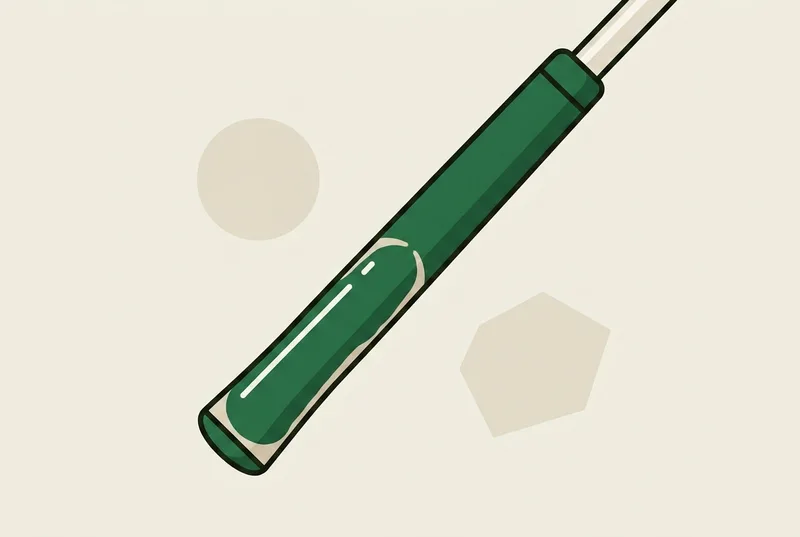
Grips. Hard, shiny grips make you hold on tighter, and grip pressure is one of the fastest ways to lose clubhead speed. They cost little to replace and most golfers go years without doing it.
Grooves and faces. Worn wedge and iron grooves lose spin, which changes flight and carry. A driver face can also lose performance over many thousands of shots, though this is slower and less common than sellers imply.
The third equipment factor is fit rather than wear. If you bought your clubs at a different swing speed than you have now, the shaft may no longer suit you. A shaft too stiff for your current speed will not load properly and costs both distance and consistency, which is covered in the golf shaft flex guide.
Cause three: mobility, not strength
Rotation is what generates clubhead speed, and rotation depends on how far your body can turn rather than on how strong it is. Thoracic spine rotation, hip internal rotation and shoulder mobility all restrict gradually, particularly in anyone with a desk job, and a restricted turn produces a shorter backswing and less stored energy.
The tell is a backswing that has quietly shortened. Film yourself and compare against an old video if you have one. Most golfers who lose distance over several seasons have lost turn, not muscle.
This is the most fixable of the physical causes, because mobility responds to consistent work far faster than speed does.
Cause four: swing speed, and where age really sits
Clubhead speed does decline with age, and it is a genuine cause. It is also slower and later than the golfing conversation suggests, and it is frequently used to explain losses that are actually strike or equipment related.
The useful framing: if you have lost distance gradually over a decade, age and mobility are plausibly a large part of it. If you have lost it over one season, it is almost certainly strike, equipment or a swing change, because nobody's physiology changes that fast.
Cause five: a swing change you did not notice
Distance loss over a single season with no injury and no equipment change usually means something in the swing moved. The most common are a shortened backswing, a shallower or steeper attack angle with the driver, or a grip that has drifted.
Attack angle deserves a specific mention because it costs the most. TrackMan's parameters for amateurs note that a driver wants a positive attack angle, meaning the club is travelling upward at impact, while irons want a negative one. A driver strike that has drifted from upward to downward loses carry distance substantially, and it often shows up as a sky mark on the crown, which is covered in how to stop skying drives.
The order to work through it
- Establish your real current average with a rangefinder or launch monitor, not memory. Ten shots per club, discard nothing.
- Check strike location with foot powder over twenty shots. Cluster off centre means this is your cause.
- Check your grips. If they are shiny or hard, replace them before doing anything else.
- Check your shaft flex against your current speed, ideally on a launch monitor at a fitting.
- Film your swing face-on and down the line and compare against an old video for a shortened turn.
- Only then consider mobility work, speed training, or new equipment.
The other honest response is to change what you expect from the course rather than the course from you. Playing forward one set of tees restores the game to the distances it was designed around and is the single fastest way to enjoy golf again, which is the logic behind golf course management.
Key takeaways
- Confirm the loss is real first. Soft fairways, cold air and optimistic old yardages fake it convincingly.
- Strike quality is the largest cause and the one golfers check last. Off-centre contact costs 15 to 25 yards.
- Hard, shiny grips raise grip pressure and cost clubhead speed. They are the cheapest fix available.
- A shaft that suited your old swing speed may be too stiff for your current one.
- Mobility, not strength, generates rotation. A shortened backswing is the usual physical cause.
- Gradual loss over a decade fits age. Loss over one season does not, and points at strike or equipment.
- Buy a new driver last, not first. It is the most expensive and least likely cause.
Common questions
Why am I suddenly hitting the ball shorter?
A sudden loss over one season is almost never age or fitness, because physiology does not change that fast. Look at strike location first, then grips and shaft, then a swing change such as a shortened backswing or a driver attack angle that has drifted downward.
At what age do golfers start losing distance?
Clubhead speed declines gradually from around the forties for most people, but it is slower than the conversation suggests and mobility usually restricts before strength does. Golfers frequently blame age for losses that are actually strike quality or worn equipment.
How much distance does an off-centre strike cost?
Enough to matter. A driver struck toward the toe or heel, or an iron struck low on the face, can give away 15 to 25 yards on a swing that felt completely normal. It is the largest single cause of distance loss and the easiest to check with foot powder.
Will a new driver get my distance back?
Rarely, and it is the wrong place to start. Modern drivers are close enough in performance that a new head seldom recovers genuinely lost yardage, and if the cause is an off-centre strike or a shaft that no longer fits, a new head changes nothing at all.
Can old grips really cost me distance?
Yes, indirectly and more than golfers expect. Hard, shiny grips make you hold on tighter, and grip pressure restricts clubhead speed. Replacing grips is the cheapest item on the diagnostic list and worth doing before anything else.
Should I use a softer shaft as I get older?
Possibly, and it should be measured rather than guessed. A shaft too stiff for your current swing speed will not load and unload properly, which costs distance and consistency. A fitting with a launch monitor answers it in minutes.
Does losing distance mean I should move up a tee box?
Often, yes, and it is the fastest way to enjoy the game again. Playing tees that match your current distance restores approach shots to the clubs the holes were designed around. It changes nothing about your handicap and everything about how the round feels.
Is speed training worth it for an older golfer?
It can be, once the strike is already central and the equipment fits. Overspeed protocols do work at a range of ages. Done while your contact is still off centre, they mostly make your mishits faster, so the sequence matters more than the protocol.
Why do I hit it further when I swing easier?
Because a slower swing that finds the middle of the face transfers more energy to the ball than a faster one that does not. Centre strike is worth more yards to an average golfer than extra effort, which is why swinging within yourself is genuine advice rather than a cliché.
Does cold weather really affect distance?
Meaningfully. Cold air is denser, which increases drag, and a cold ball is less lively so it compresses and rebounds less efficiently. A winter round can play a club shorter throughout with no change in your swing at all, before accounting for the roll you lose on soft ground.
On this page
Tom Ashworth
Tom Ashworth is a PGA Professional who has taught golf since 2012, working mainly with beginners and mid-handicappers at club level in Surrey. He reviews the instruction guides on Learn Golf for technical accuracy before they publish.
Most of his teaching is with players in their first three years of the game, and most arrive having been told too much: six swing thoughts collected from videos, half of them contradicting each other. His approach is to check the grip and the alignment before touching the swing, on the basis that most bad ball flight is decided at address.