You have missed the green by six yards twice today. The first time the ball sat down in thick rough and the second it was on bare dirt, and playing the same chip from both is why one came out dead and the other went across the green. Reading the lie is the skill, and it comes before technique. This guide covers what each lie does to the ball and the specific adjustment each one needs.
Read the lie before you pick a club
Three questions, in order, and they take five seconds.
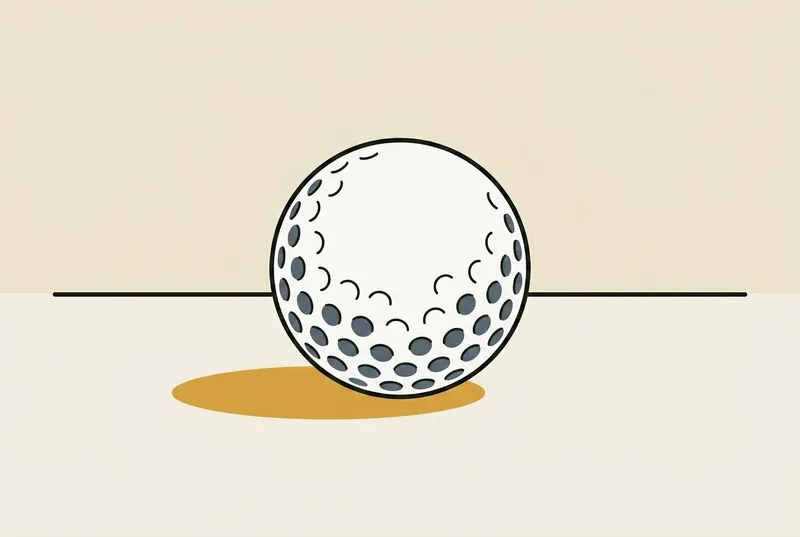
Is there grass under the ball? Slide your eye to the base of the ball. If you can see daylight beneath it and the ball is sitting up on top of the grass, you have room to work. If the ball is sitting down with grass touching its equator, you do not.
Which way is the grass growing? Grass growing toward the target helps the club through and produces a flier. Grass growing back at you grabs the hosel and shuts the face. This matters more than almost anyone accounts for.
How firm is the ground underneath? Firm ground removes your margin for hitting behind the ball. Soft ground gives you some back.
Chipping from thick rough
Grass between the clubface and the ball is the defining problem. It removes friction, which removes spin, and it slows the clubhead, which removes distance in a way that is hard to predict.
The adjustments:
- More loft. A sand wedge or lob wedge rather than a 9 iron. You need height to stop the ball because you will get very little spin.
- Open the face slightly. This exposes the sole so the club can slide through grass rather than getting tangled in it, and it adds loft.
- Ball centre or slightly back, hands level with it rather than well ahead.
- Steeper backswing, using more wrist hinge. A shallow sweep gets caught in grass before it reaches the ball.
- Commit. Deceleration is fatal here. The grass will stop a tentative club dead.
Expect one of two outcomes and be ready for both. A flier happens when the grass is growing toward the target and lubricates the strike: the ball comes out hot with no spin and runs a long way. A dead drop happens when the grass is against you and grabs the club: the ball comes out short and soft.
| Grass direction | What happens | Adjustment |
|---|---|---|
| Growing toward the target | Flier, hot and running | Land it much shorter, expect run |
| Growing back at you | Club slows, ball comes up short | Longer swing, more commitment |
| Across the line | Face gets turned, usually shut | Grip firmer, open the face a touch more |
Chipping from a tight or bare lie
Hardpan, a worn path, a divot, or closely mown grass with no cushion. The defining problem is the opposite: there is nothing under the ball at all, so any contact behind it hits the ground first and the club bounces into the ball's equator.
The adjustments:
- Less loft. An 8 or 9 iron rather than a lob wedge. The bump and run is the safe shot here and it is covered fully in the bump and run.
- Square the face, do not open it. An open face raises the leading edge off the ground and exposes the bounce, and bounce on firm ground makes the club skid into the middle of the ball. This is the same principle as a plugged bunker lie.
- Ball back of centre, hands clearly ahead of it. You want the leading edge to reach the ball before the ground.
- Weight forward and staying forward. Any weight moving back drops the low point behind the ball.
- Sweep, do not dig. A shallow, level strike that clips the ball off the surface.
Choosing the club by lie, not by distance
This is the shift that makes short game reliable. Most golfers pick the club by how far they need to go and then fight the lie. Better players pick the club the lie allows and then work out the landing spot.
| Lie | Club | Shot shape |
|---|---|---|
| Ball sitting up on cut grass | Any wedge | Whatever the situation asks for |
| Ball sitting down in rough | Sand or lob wedge, face slightly open | High, steep, no spin, lands soft |
| Light rough, ball sitting up | Pitching or sand wedge | Fairly normal, allow for a small flier |
| Tight or bare lie | 8 or 9 iron, face square | Low, running bump and run |
| Divot or hardpan, no room to run | Pitching wedge, hands well ahead | Low and nipped, accept the run |
Once the lie has chosen the club, the landing spot does the rest of the work. Pick a spot on the green where you want the ball to touch down, and let the club's loft decide how far it rolls from there. Chipping versus pitching covers how that ratio changes with loft.
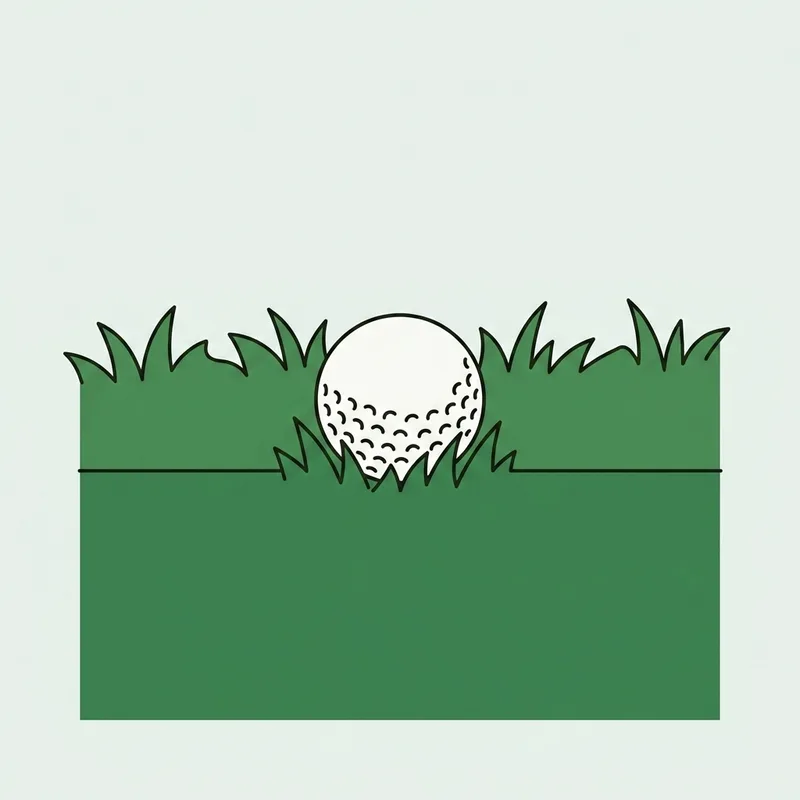
The other thing worth accepting is that some lies do not offer a good outcome. A ball sitting down in deep rough short-sided to a tight pin has no shot that finishes close, and trying to produce one is how a bogey becomes a double. Play to the fat part of the green and take your two putts, which is the course management logic in golf course management.
Key takeaways
- Read the lie before choosing a club. The lie decides the shot, not the distance.
- Thick rough: more loft, face slightly open, steeper swing with wrist hinge, and full commitment.
- Grass growing toward the target produces a flier. Grass growing at you produces a dead drop.
- Tight or bare lies: less loft, face square, ball back, hands ahead, and sweep rather than dig.
- Never open the face on hardpan. The bounce will skid the club into the middle of the ball.
- Chunked and bladed chips are usually the right technique played from the wrong lie.
- Some lies have no good outcome. Play to the middle of the green and accept two putts.
Common questions
How do you chip out of thick rough?
Use more loft, open the face slightly so the sole can slide through the grass, play the ball centre or slightly back, and make a steeper swing with more wrist hinge. Commit fully, because the grass will stop a tentative clubhead. Expect very little spin and plan for run.
Why do my chips come out too hot from the rough?
That is a flier. Grass gets between the face and the ball, which removes friction and therefore removes spin, and if the grass is growing toward the target it also lubricates the strike. The ball comes off with less spin and more speed than expected. Land it much shorter than you would from a fairway lie.
How do I chip off hardpan or a bare lie?
Take less loft, usually an 8 or 9 iron, keep the face square, play the ball back of centre with your hands ahead, and sweep the ball off the surface. The leading edge has to reach the ball before it reaches the ground, so anything that raises the low point behind the ball will thin it.
Why do I blade chips off tight lies?
Almost always because the low point of the swing is behind the ball, either from trying to scoop it into the air or from opening the face. On firm ground the sole bounces off the surface and the leading edge catches the ball's equator. Move the ball back, get the hands ahead, and square the face.
Should I use a lob wedge from a bare lie?
Not until you have practised it deliberately. A lob wedge has a sharp leading edge and often high bounce, which is a difficult combination on firm ground. The 9 iron bump and run is the reliable default, and the lob wedge from hardpan is a skill to build on a practice green rather than attempt cold.
Does grass direction really matter that much?
Yes, and it is the most underrated read in the short game. Grass growing toward the target lets the club through and produces a hot, running ball. Grass growing back toward you grabs the hosel, slows the club and shuts the face. Look at the sheen on the grass: shiny means growing away, dull means growing toward you.
What club should I chip with from around the green?
Whatever the lie allows rather than whatever the distance suggests. Ball sitting up means you can use any wedge. Ball sitting down means more loft and a steeper swing. Bare or tight means less loft and a running shot. Choose the club from the lie, then pick a landing spot to control the distance.
How do I chip out of a divot?
Treat it as an extreme tight lie. Ball well back, hands clearly ahead, face square, and a steep descending strike that reaches the ball before the ground. Take one less club than the distance suggests because it will come out low and run. Accept that finishing close is unlikely.
Should I ever putt from the rough?
From light greenside rough with a clean path to the green, often yes, and it is far more reliable than most golfers expect. From anything where the ball is sitting down or where there is a strip of longer grass between you and the green, no, because the grass will slow the ball unpredictably.
Why is my chipping inconsistent from different lies?
Because you are probably using one chipping technique for every lie. The action that slides under a ball sitting up in grass will hit the ground early on hardpan, and the action that nips a ball off bare ground will get tangled in rough. Build two: a steep, lofted one for grass and a shallow, low one for tight lies.
Tom Ashworth
Tom Ashworth is a PGA Professional who has taught golf since 2012, working mainly with beginners and mid-handicappers at club level in Surrey. He reviews the instruction guides on Learn Golf for technical accuracy before they publish.
Most of his teaching is with players in their first three years of the game, and most arrive having been told too much: six swing thoughts collected from videos, half of them contradicting each other. His approach is to check the grip and the alignment before touching the swing, on the basis that most bad ball flight is decided at address.