Best Golf Swing Trainers: The Four That Report Back
A swing trainer is worth owning only if it tells you something your own swing was not already telling you. Here are four that do, what each one measures, and the specification three of the four decline to print.
Some links here earn us a commission at no extra cost to you. It never changes what we recommend or the order we rank it. How this works.
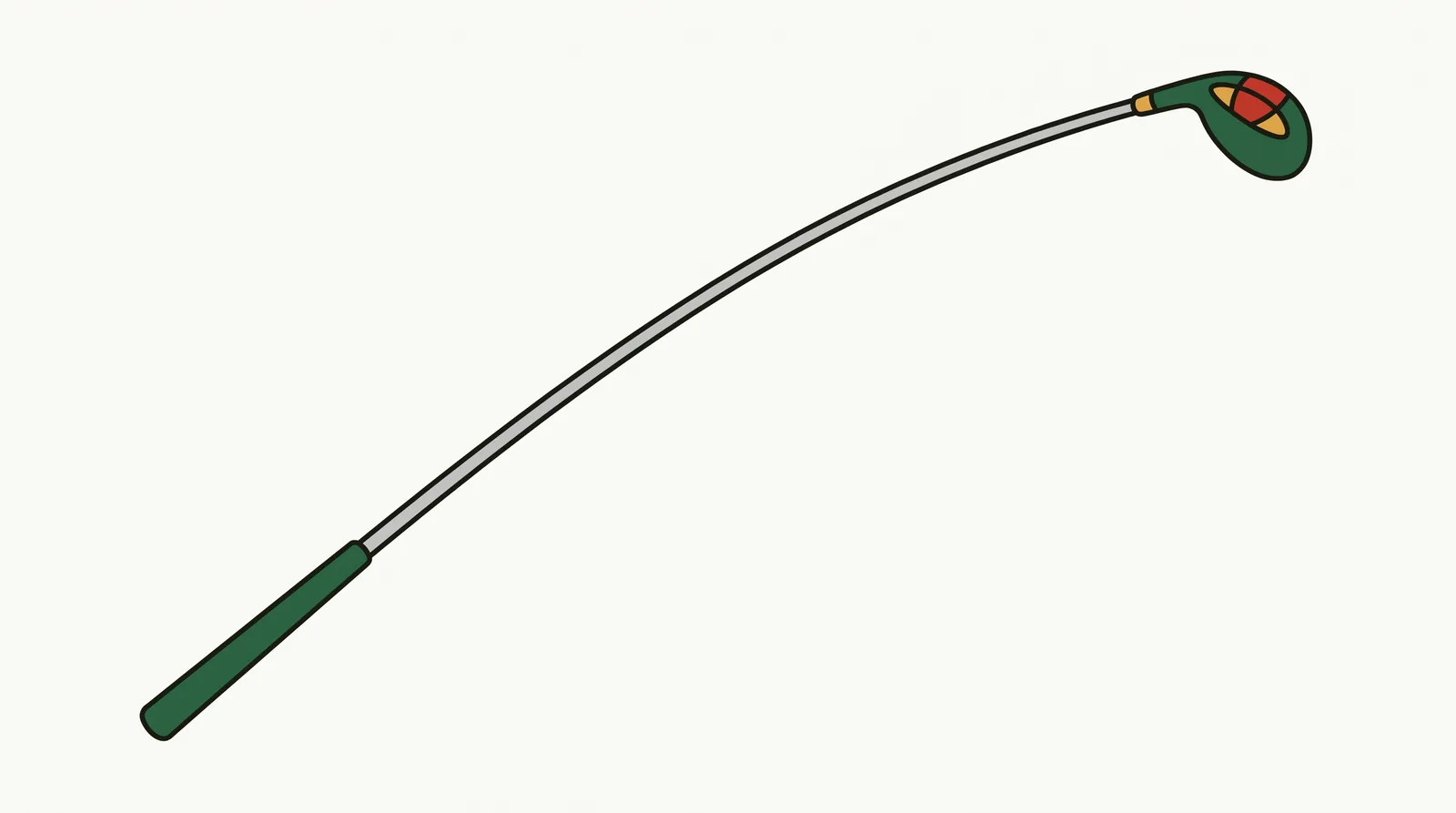
Swing trainers are the part of the training aid market where the most money gets spent on the least evidence. The useful ones share a property that has nothing to do with price: they tell you something about the swing you just made. The rest hold you in a shape and let you believe the shape was yours. Four that report back are below, along with what each one refuses to publish.
The four, compared
These four do not compete. They address transition, the lead wrist, clubface awareness and raw speed, and the useful question is which of those is currently costing you shots. The wider category, including strike boards and putting feedback, sits in the training aids that get used.
| Pick | Best for | Feedback on | Reports or restricts | Indoors | App needed | Price |
|---|---|---|---|---|---|---|
| Lag Shot 7 Iron | Transition and tempo, with a real ball at the end of it | Transition, tempo and sequencing | Reports, through a shaft that lags when you rush | Only with a net, because it hits real balls | No, a video course is included | Around £90 to £105 |
| IMPACT SNAP | The lead wrist, with no ball and almost no space | Lead wrist condition and the release | Reports, with an audible snap at the right moment | Yes, no ball and very little room | No | Around £75 to £100 |
| theHANGER | Clubface awareness on the clubs you already own | Lead wrist cupping, and through it the clubface | Both, it presses on the forearm rather than blocking the motion | Yes, it clips to a club you already own | No, an optional paid curriculum exists separately | Around £60 to £80 |
| SuperSpeed Speed Sticks Pro | Club speed, which is a different problem from technique | Nothing by itself, you need a way to measure speed | Neither, it is a training load rather than a feedback device | Yes with ceiling height, and no ball is needed | Yes for the protocols, free tier with a paid premium above it | Around £200 to £230 |
Only one of the four needs a phone, and only one needs a ball. Those two facts decide more about whether a trainer gets used than anything on the packaging.
A trainer that holds you in place teaches you to need it
This is the whole argument of the page, so it goes before any of the products.
Swing trainers divide into two groups. The first reports: it gives you information about the motion you just made, through a sound, a mark, a lag in the shaft or a pressure on the arm. The second restricts: it blocks a joint, pins an elbow, or runs the club along a rail so that only one path is available.
The second group fails for a reason that is easy to miss when the thing is in your hands and the swing suddenly feels wonderful. A position produced by an object is not a skill. It is the object's position. The golfer has learned what correct feels like while attached to the correct machine, which is a fact of no use whatsoever standing over a 5 iron on the eleventh with the object at home in a cupboard.
theHANGER is the interesting case, and it is on this page partly because it sits on the line. It clips to a real club and rests against the lead forearm, and when the wrist cups it presses. That is feedback, delivered as pressure, during the swing. It is also a bar you can lean against, and a golfer who spends six weeks pushing into it has trained a push rather than a wrist. Both descriptions are true, which is why the verdict on it carries a time limit.
Lag Shot 7 Iron: the one that ends in a strike
The Lag Shot 7 Iron has a shaft flexible enough that the head arrives noticeably after the hands. Swing it at your normal speed and the timing collapses. Swing it smoothly and the head catches up and the ball goes somewhere sensible. That is the meaningful difference between this and every other flexible shaft trainer: most of them are swung at nothing, which means the feedback is a feeling. This one puts a ball at the end, so the result is the honest half and you cannot argue with a strike.
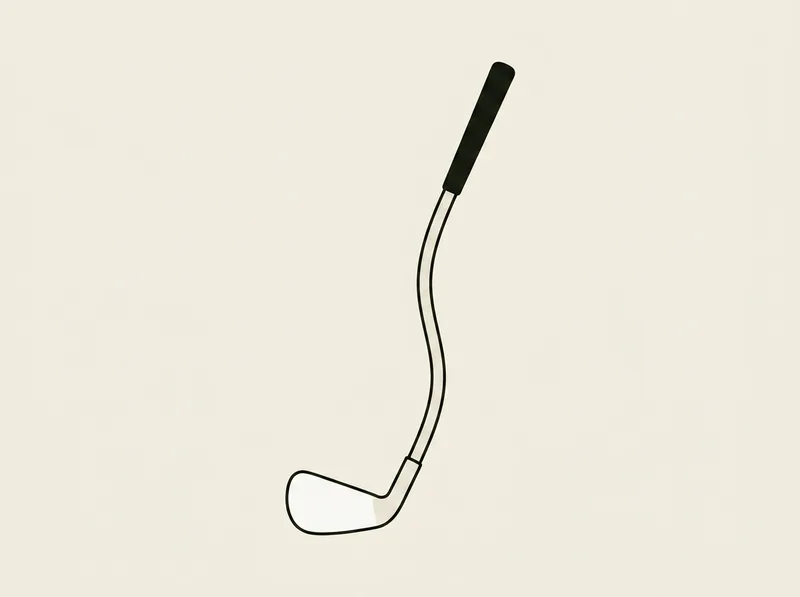 Around £90 to £105
Lag Shot 7 Iron
- Feedback on
- Transition, tempo and sequencing
- Reports or restricts
- Reports, through a shaft that lags when you rush
- Indoors
- Only with a net, because it hits real balls
- App needed
- No, a video course is included
- Length
- Not published by Lag Shot
- Weight
- Not published by Lag Shot
- Flex
- Not published, described only as whippy
- Guarantee
- 30 day money back
- The only trainer here you can hit an actual golf ball with, so the feedback ends in a strike rather than a feeling.
- A rushed transition is impossible to hide. The head arrives late and the strike tells you before you have finished the follow through.
- Sold in right and left handed builds, and in a longer version, which is more than most training aids bother with.
- Lag Shot publish no length, no weight and no flex rating for a product whose entire mechanism is shaft flex.
- The longer version is described as one inch longer without the listing ever stating what it is longer than.
- It needs a net or open ground, so it is the least usable of these four on a wet Tuesday evening.
VerdictThe pick for a golfer whose swing falls apart at the top, which is most golfers who describe themselves as inconsistent rather than bad. The unpublished specifications are a genuine irritation on a product sold entirely on how the shaft behaves.
What Lag Shot do not publish is the problem. There is no length, no total weight, no head weight and no flex rating anywhere on the product listing, on a product whose entire mechanism is shaft flex. The taller golfer's version is described as one inch longer with a slightly larger grip, without the listing ever saying what it is an inch longer than. A buyer choosing between the two has to guess, which is a strange position to be put in at this money.
The other honest limit is practical. It hits real balls, so it needs a net, a range bay or a field. That makes it the least usable of these four in January, and a home net is a second purchase before it does anything indoors.
One buying note for UK readers. Lag Shot has no UK distributor and no separate UK storefront, so the routes to one are the maker's own site, which prices in pounds and ships internationally, or a marketplace listing on Amazon UK or eBay UK. That is a real purchase rather than a parcel forwarder, but the delivered price moves with the route and with any duty applied at the border, so check the total at checkout rather than the headline figure.
IMPACT SNAP: the lead wrist, cheaply
The IMPACT SNAP is a short handled lever with a ball on a curved arm, published at 2 by 2 by 46 inches and 13.4 ounces. Swung correctly, the arm snaps against the handle at the moment the lead wrist should be flat and the hands ahead. Swung with a cupped wrist and a flipped release, it does not snap, or it snaps far too early. The feedback is a click, and a click is faster than anything you can look at.
The lead wrist is worth training because it is the closest thing amateurs have to a direct handle on the clubface. A cupped lead wrist at impact opens the face and adds loft, which is the mechanical description of a weak, high, right hand miss. What that position should look like is in the impact position, and it is worth reading before you start snapping anything, because the device tells you when, not what.
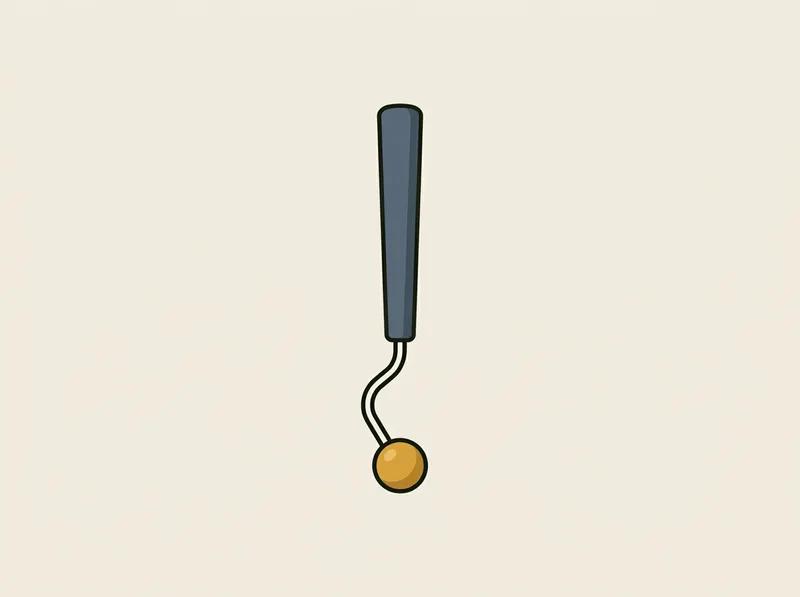 Around £75 to £100
IMPACT SNAP
- Feedback on
- Lead wrist condition and the release
- Reports or restricts
- Reports, with an audible snap at the right moment
- Indoors
- Yes, no ball and very little room
- App needed
- No
- Size
- 2 by 2 by 46 inches
- Weight
- 13.4 oz, published
- Handedness
- Right and left hand versions
- Clubhead attachment
- Sold separately
- The feedback is a sound, which arrives faster than anything you can see and does not need you to look.
- No ball, no net and under four feet of swing arc, so it works in a hallway in November.
- Publishes its dimensions and its weight, which puts it ahead of two of the three products below.
- It trains one joint. A golfer whose problem is the lower body will learn nothing from it.
- The clubhead attachment, which is what connects the wrist motion to a clubface, is a separate purchase.
- Swinging a short handled lever and swinging a 7 iron are related motions, not the same one.
VerdictThe easiest one on this page to actually keep using, because the barrier to a two minute session is close to zero. Buy it if your misses are face related, and expect it to do nothing at all for a sequencing or a balance problem.
Two limits, both fair at the price. It trains one joint, so a golfer whose problem is a sway, a stall or a balance issue will get nothing from it. And the clubhead attachment, which is the part that connects the wrist motion to something shaped like a clubface, is a separate purchase, which is a slightly annoying way to sell a product that is otherwise refreshingly complete.
theHANGER: feedback clipped to a club you already own
theHANGER slides onto the grip of a club you already play with, and a bar runs up alongside the lead forearm. Cup the wrist and the bar presses into the arm. Keep it flat and it does not. Watson Golf state it fits every full swing club in the bag, sell right and left handed models, and back it with a lifetime warranty against defects plus a one year money back guarantee.
The argument for it over a substitute device is that the swing being trained is a real swing with a real club, at real speed, with a real ball if you want one. Nothing has to transfer, because nothing was ever a translation.
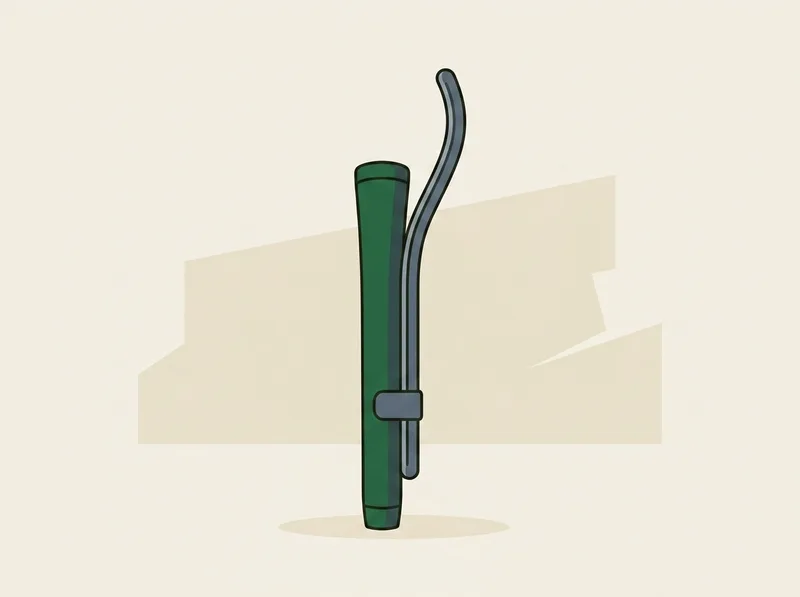 Around £60 to £80
theHANGER
- Feedback on
- Lead wrist cupping, and through it the clubface
- Reports or restricts
- Both, it presses on the forearm rather than blocking the motion
- Indoors
- Yes, it clips to a club you already own
- App needed
- No, an optional paid curriculum exists separately
- Fits
- Driver, fairway woods, hybrids and irons
- Handedness
- Right and left hand models
- Warranty
- Lifetime against defects, 1 year money back
- Weight
- Not published by Watson Golf
- It attaches to your own club, so the swing you are training is the swing you actually make on a course.
- A lifetime defects warranty and a one year money back guarantee, which is unusually generous in this category.
- The feedback is pressure on the forearm, so it arrives during the swing rather than after it.
- Watson Golf publish no weight and no dimensions on the product listing.
- It sits closest of these four to being a position aid, and a golfer can end up swinging to please the bar.
- One fault, one joint. It has no opinion on path, low point, tempo or balance.
VerdictThe right buy for a golfer who already knows the face is the problem and wants the feedback attached to a real club rather than to a substitute. It is also the one on this page to set a time limit on, because leaning against a bar is not a skill.
Watson Golf publish no weight and no dimensions, which matters more here than it sounds: this is metal added to the top of a club, so its mass changes how the club swings and a buyer might reasonably want to know by how much. It is also the product here that most rewards a short course of use. Two or three weeks with it, then two weeks without, beats wearing it all winter.
SuperSpeed Speed Sticks Pro: speed is a separate problem
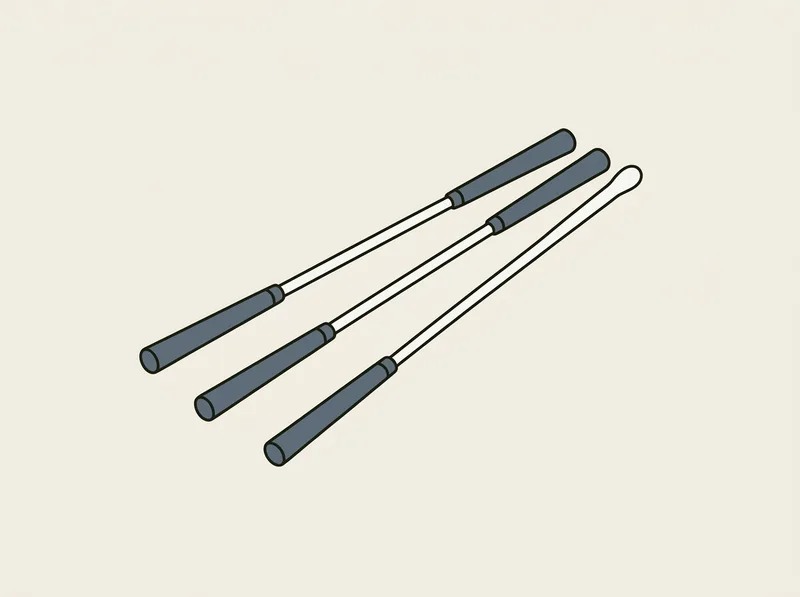
The Speed Sticks Pro set is three training clubs at 41.5 inches, a light, a medium and a heavy, plus a weight kit and lifetime access to an app carrying more than thirty five protocols. The published protocol is fifteen minutes, three times a week, and SuperSpeed quote a 30 day return alongside a 30 day speed gain guarantee.
The theory is overspeed training: swinging something lighter than a driver teaches the body to move faster than it currently does, and the heavier club anchors the pattern. It is a training load rather than a training aid, which is why it sits last here despite being the most expensive.
 Around £200 to £230
SuperSpeed Speed Sticks Pro
- Feedback on
- Nothing by itself, you need a way to measure speed
- Reports or restricts
- Neither, it is a training load rather than a feedback device
- Indoors
- Yes with ceiling height, and no ball is needed
- App needed
- Yes for the protocols, free tier with a paid premium above it
- Length
- 41.5 in, hybrid length
- Weights
- Not published in grams, only as light, medium and heavy
- Protocol
- 15 minutes, three times a week
- Guarantee
- 30 day return, plus a 30 day speed gain guarantee
- It addresses the one thing none of the others touch, which is how fast the club is moving.
- The protocol is specific and short. Fifteen minutes three times a week is a dose, not a suggestion.
- Lifetime app access is included rather than rented, with the paid tier reserved for analytics.
- The three club weights are quoted only as light, medium and heavy, with no figure in grams anywhere on the listing.
- It reports nothing on its own. Without a launch monitor or a speed radar you are swinging in the dark.
- The published speed gain figures come from the maker's own app users, which is a self selected sample rather than a study.
VerdictWorth buying for a golfer who has measured their club speed, found it low for their standard, and has the discipline to run a protocol three times a week for six weeks. For anyone whose scorecard is being ruined by three putts and topped chips, it is an answer to a question they have not asked.
Two things are worth being blunt about. The set publishes no gram weights anywhere, quoting the three clubs only as light, medium and heavy, which is a strange omission on a product whose entire premise is a weight relationship. And SuperSpeed's published gain figures come from their own app users with a large number of logged sessions, which is a self selected group of committed trainers rather than a controlled study. The number may well be real. It is not evidence in the sense that word usually carries.
What none of them will tell you
Every product here is sold on a mechanism, and three of the four decline to quantify the mechanism. Lag Shot sell shaft flex and publish no flex figure, no length and no weight. Watson Golf sell an attachment that changes a club's mass and publish no mass. SuperSpeed sell a weight relationship and publish no weights. Only the IMPACT SNAP states its own dimensions.
| What is missing | Why the gap matters | Who leaves it out |
|---|---|---|
| Shaft flex rating | It is the entire mechanism of a flexible trainer | Lag Shot |
| Length | Decides whether it suits a 5 ft 4 in or a 6 ft 3 in golfer | Lag Shot |
| Weight in grams | Decides what the training load actually is | Lag Shot, Watson Golf, SuperSpeed |
| Dimensions | Decides whether it fits the room you have | Watson Golf |
None of this makes the products bad, and two of them are on this page as recommendations. It does mean a buyer is being asked to take the mechanism on trust in a category where the mechanism is the product. Where a figure below says Not published, that is the maker's listing being quiet, not this page giving up.
Match the trainer to the fault, not to the review
Buying before diagnosing is how a garage fills up. Work out which line you are on before spending anything.
| What your misses look like | What that usually is | Which of these helps |
|---|---|---|
| Fine on the range, wild on the course | Tempo and transition under pressure | A flexible shaft trainer |
| High, weak, right handed miss on repeat | An open face from a cupped lead wrist | A wrist or release trainer |
| Face square one swing and open the next | Clubface awareness rather than a fixed fault | A forearm feedback bar on your own club |
| Straight enough, but two clubs short of everyone | Club speed | An overspeed protocol, once measured |
| Fat, thin, and never twice the same | Low point control | None of these four, you want a strike board |
Left and right in that table assume a right handed golfer, and the whole pattern mirrors for a left hander. If the miss is a curve rather than a start direction, fixing a slice is the diagnosis to read before any of this becomes a shopping decision.
Where these actually get used
Space and setup time decide whether a trainer survives past February, and they are almost never in the buying decision.
Ceiling height rules out more than anything else. A full swing indoors needs roughly ten feet of clearance for most golfers and more if you are tall, which turns both the Lag Shot and the Speed Sticks into half swing devices in an eight foot garage. The IMPACT SNAP is the exception, because its arc is short enough for a hallway.
A ball changes everything. Only the Lag Shot needs one, and needing one means needing a net, a mat and somewhere the noise does not matter. The other three work with nothing but floor and clearance, which is why they get used on the evenings when nothing was planned. Practising golf at home sets out which skills survive indoor work and which quietly waste months.
The rule that catches club golfers out
Every product on this page is a practice tool, and the Rules of Golf are less relaxed about that than most golfers realise.
The practical version is easy to remember. Swinging a trainer in the car park before you tee off is legal. Carrying it in the bag and using it on the sixth tee is not, and a golfer using a device to help prepare for a stroke has broken the rule whether or not anybody saw it.
What to spend
The range is wide because the products are genuinely different rather than the same idea at different margins.
- Under £30: nothing here, and nothing needed. A headcover under the lead arm and a towel across the chest cover several of these faults for free.
- £60 to £100: a single feedback device aimed at one diagnosed fault. This is where most golfers should stop.
- £90 to £105: a flexible shaft trainer you can hit a ball with, plus a net if you have no range nearby.
- £200 and up: a speed system, and only after a measured club speed says speed is the problem.
Whatever gets bought, give it a dose and a deadline. Ten to fifteen minutes, three or four times a week, for six weeks, then judge it on whether your grouping has tightened rather than on whether it felt good. A device that has become comfortable has finished its job.
Key takeaways
- Buy a trainer that reports what your swing did. A device that holds you in a position teaches dependence on the device, and the position leaves when the object does.
- The Lag Shot 7 Iron is the pick for transition and tempo, because it is the only one here that ends in a real strike. It publishes no length, no weight and no flex rating.
- The IMPACT SNAP is the most likely of the four to still be in use in six months, and the only one that publishes its own dimensions.
- theHANGER clips to your own clubs and reports a cupped lead wrist as pressure on the forearm. It is also the easiest to lean on, so set a time limit.
- SuperSpeed Speed Sticks Pro trains club speed, which is a different problem from technique, and reports nothing without a separate way to measure speed.
- Three of these four decline to publish the figure that defines their own mechanism.
- Match the trainer to a diagnosed fault. Buying from a self diagnosed video is how unused equipment accumulates.
- Rule 4.3a(6) prohibits using a training aid during a round, and the penalty escalates to disqualification for a second breach.
Common questions
What is the best golf swing trainer?
For most golfers the Lag Shot 7 Iron, because it is the only one here that lets you hit a real ball, so the feedback ends in a strike rather than a sensation. If the space is smaller, the IMPACT SNAP needs less room than anything else here, and on a tighter budget theHANGER is the cheapest of the four in the UK.
Do golf swing trainers actually work?
The ones that report back have a reasonable record, because they let you connect a cause to an effect in your own swing and keep the fix. Devices that physically hold you in a position have a poor one, since the position belongs to the object. No trainer diagnoses anything, so all of them work better attached to a plan.
Should I buy a swing trainer or take a lesson?
A lesson first, in almost every case. A lesson tells you which fault you actually have, and a trainer gives you feedback while you work on it between lessons. Buying a device before the diagnosis means guessing, and a wrong guess at £90 is how most unused training aids get bought.
Can I use a swing trainer indoors?
Three of the four here work indoors. The IMPACT SNAP needs almost no room at all, theHANGER clips to a club you already own, and the Speed Sticks need ceiling clearance but no ball. The Lag Shot hits real balls, so indoors means a net, a mat and somewhere the noise is acceptable.
Do golf swing trainers need an app or a subscription?
Only one of these four does. SuperSpeed run their protocols through an app with lifetime access included and a paid tier above it for analytics. The other three need nothing but the device, although Watson Golf sell an optional digital curriculum alongside theHANGER.
Can I use a swing trainer during a round of golf?
No. Rule 4.3a(6) prohibits using a training or swing aid in any way that helps you prepare for or make a stroke, and it names weighted headcovers and alignment rods directly. The penalty is the general penalty for a first breach and disqualification for a second. Before the round, in the car park or on the range, is fine.
Will a swing trainer fix my slice?
Only if it addresses the part of the slice you actually have. A slice is a face open relative to the swing path, so a wrist or release trainer helps if your face is the problem, and does nothing if your path is. Diagnose which one it is before buying, because the two fixes pull in opposite directions.
Are weighted swing trainers better than flexible ones?
They do different jobs. A flexible shaft exposes a rushed transition because the head arrives late, which is a timing tool. A weighted club builds strength and, in an overspeed protocol, trains speed. Neither one tells you anything about your clubface, which is what most bad shots are actually about.
How long does it take for a swing trainer to change anything?
Give it six weeks at three or four short sessions a week, and judge it on grouping rather than on feel. Setup and grip changes settle in two to three weeks. Sequencing and tempo changes are slower and often take eight to ten. Anything that has changed nothing after six weeks was aimed at the wrong fault.
Do swing speed trainers actually add distance?
They add club speed for some golfers, and club speed is not the same thing as a lower score. Check your own speed against published averages for your handicap first, because a golfer already at the average for their standard is losing shots somewhere else. The gain figures makers publish come from their own committed users rather than from controlled studies.
How we put this together
- Published manufacturer specifications for each trainer, taken from the maker's own listing rather than a retailer's summary or a review site.
- Where a maker publishes no figure, this page records it as Not published and treats the gap as part of the assessment, because the missing number is usually the one that defines how the product works.
- One test applied to every candidate: does it report what the swing just did, or does it hold the body in a position somebody decided it should be in.
- Whether each one works indoors, and what it needs before it does anything at all: a ball, a net, ceiling height, a phone, or a separate measuring device.
- TrackMan's published club speed figures by handicap, which is what decides whether speed is the problem a golfer should be spending money on.
- The Rules of Golf position on using a training aid during a round, which is stricter than most club golfers assume.
On this page
- The four, compared
- A trainer that holds you in place teaches you to need it
- Lag Shot 7 Iron: the one that ends in a strike
- IMPACT SNAP: the lead wrist, cheaply
- theHANGER: feedback clipped to a club you already own
- SuperSpeed Speed Sticks Pro: speed is a separate problem
- What none of them will tell you
- Match the trainer to the fault, not to the review
- Where these actually get used
- The rule that catches club golfers out
- What to spend
- How we put this together

Tom Ashworth
Tom Ashworth is a PGA Professional who has taught golf since 2012, working mainly with beginners and mid-handicappers at club level in Surrey. He reviews the instruction guides on Learn Golf for technical accuracy before they publish.
Most of his teaching is with players in their first three years of the game, and most arrive having been told too much: six swing thoughts collected from videos, half of them contradicting each other. His approach is to check the grip and the alignment before touching the swing, on the basis that most bad ball flight is decided at address.