Best Golf Grips: Cord, Rubber and What Rain Does
The grip is the only part of a golf club you touch, it costs less than a dozen balls to replace the lot, and most golfers are playing a compound chosen by whoever built the club.
Some links here earn us a commission at no extra cost to you. It never changes what we recommend or the order we rank it. How this works.
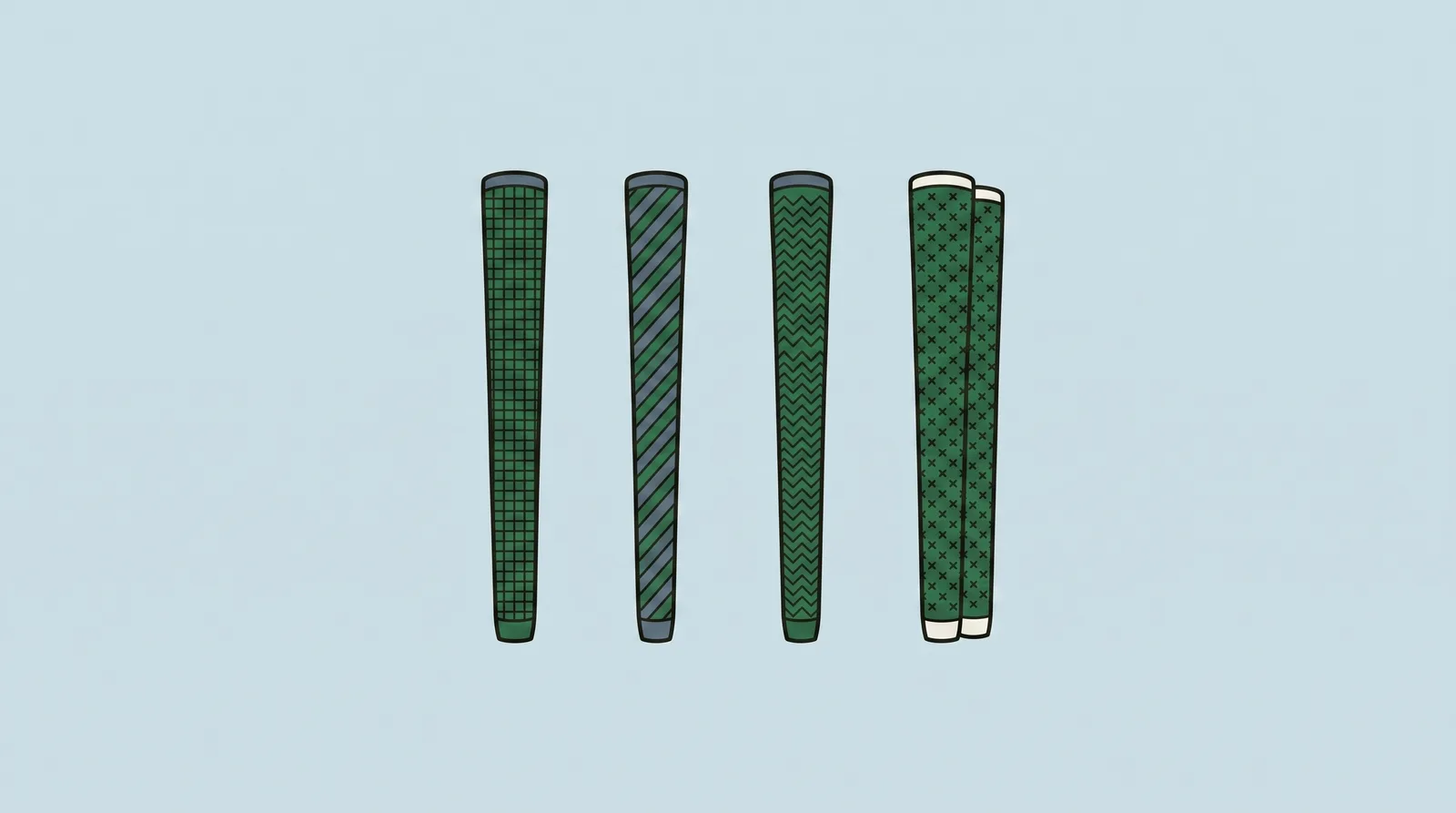
Grips are the cheapest specification in golf to change and the one most golfers never touch. A full set costs less than a driver head cover and takes an afternoon, and the compound you end up with decides whether your hands hold the club lightly or squeeze it. This page is about compound, texture and weather. Size is a separate question with a separate answer.
The four, compared
Two things separate one grip from another. The compound, which decides what happens when your hands are damp, and the texture, which decides how much the surface has to bite to hold. Everything else in grip marketing is a variation on those two.
| Pick | Best for | Compound | Texture | Wet weather | Sizes | Price |
|---|---|---|---|---|---|---|
| Golf Pride Tour Velvet Plus4 | The default rubber grip, with less taper | Rubber blend | Uniform raised plus-sign pattern | Rubber, so it needs drying rather than shrugging water off | Standard and midsize | Around £7 to £10 a grip |
| Golf Pride MCC Plus4 | Cord where you need it, rubber where you do not | Brushed cotton cord in the upper hand, softer rubber in the lower | Cord weave above, moulded rubber pattern below | The cord section keeps working when damp, which is where it matters | Standard and midsize, with an ALIGN version | Around £12 to £15 a grip |
| Winn Dri-Tac | Soft, tacky and available in every size | Winn's own polymer rather than rubber | Soft tacky surface with a wrapped profile | Stays tacky damp, which is the whole selling point | Ladies, junior, standard, midsize and oversize | Around £11 to £15 a grip |
| Lamkin UTx | The most weather-resistant grip here | Three layers, with a moisture-wicking fabric weave in the middle | X pattern cord across the full length | Built for it, with a fabric layer that pulls moisture off the surface | Standard, midsize and a wrap version | Around £12 to £16 a grip |
Sizing is deliberately not in this table. Grip diameter is a fitting question rather than a product question, and golf grip size covers how to measure yours, what the actual diameters are and what a size change does to ball flight. Read that first if you do not already know what size you play.
Golf Pride Tour Velvet Plus4: the default
Tour Velvet is the compound that most golfers have already been holding for years without knowing its name, because it is what a very large proportion of clubs ship with. The Golf Pride Tour Velvet Plus4 is that compound with two changes: a uniform raised plus-sign texture across the surface, and a reduced taper that leaves the lower hand section thicker than a conventional grip.
The reduced taper is the part worth paying for. A conventional grip is much thicker at the top than at the bottom, which means the trail hand is wrapped around a noticeably thinner section than the lead hand. Building that section out lets the trail hand sit without cramping, and a hand that is not cramped grips lighter. Golf Pride describe the effect as simulating four extra wraps of tape under the lower hand, which is exactly what club builders used to do by hand.
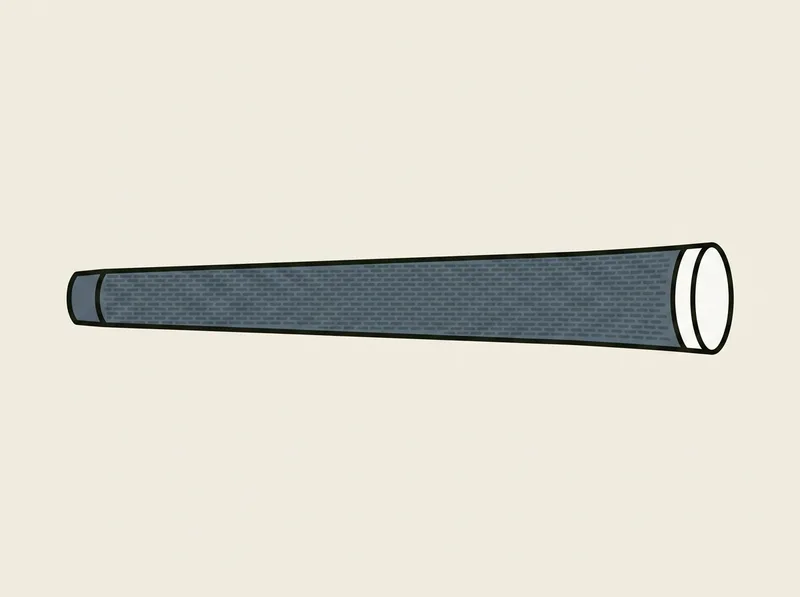 Around £7 to £10 a grip
Golf Pride Tour Velvet Plus4
- Compound
- Rubber blend
- Texture
- Uniform raised plus-sign pattern
- Wet weather
- Rubber, so it needs drying rather than shrugging water off
- Sizes
- Standard and midsize
- Profile
- Reduced taper with a larger lower hand section
- Feel
- Firm to medium with moderate feedback
- Tour Velvet is the compound most golfers have already held, which makes it the safest thing to standardise a bag on.
- The reduced taper genuinely lowers grip pressure in the trail hand, which is the more useful half of the Plus4 idea.
- Cheap enough that regripping thirteen clubs is a hundred pound job rather than a two hundred pound one.
- Plain rubber is the worst material here once it is properly wet.
- The plus-sign texture polishes smooth with use and it goes quietly.
- Only two sizes, so anyone at the extremes of hand size is out of luck on this model.
VerdictThe right answer for most golfers and the one to buy if you are unsure. The reduced taper is the reason to pick this over the plain Tour Velvet, and it costs almost nothing extra.
It is plain rubber, which means it is the worst thing here in genuinely wet weather. Rubber does not shed water, it holds it, and a rubber grip in rain needs drying between shots rather than shrugging the rain off. The texture also polishes smooth over a couple of seasons, and it goes quietly enough that most golfers respond by gripping harder rather than by replacing anything.
Golf Pride MCC Plus4: cord where it counts
The Golf Pride MCC Plus4 is a hybrid: brushed cotton cord moulded into the upper hand section and softer rubber through the lower, with the same reduced taper as the Tour Velvet Plus4 and a lower hand around 4.6 per cent larger in diameter than the original MCC.
That split is not cosmetic and it is the reason this grip took over. Your lead hand at the top of the grip is the one under load and the one that slips first, and cord fixes that. Your trail hand sits lower and takes less punishment, so it does not need cord and would rather not have it. Putting one material at each end is the obvious answer that nobody built for a long time.
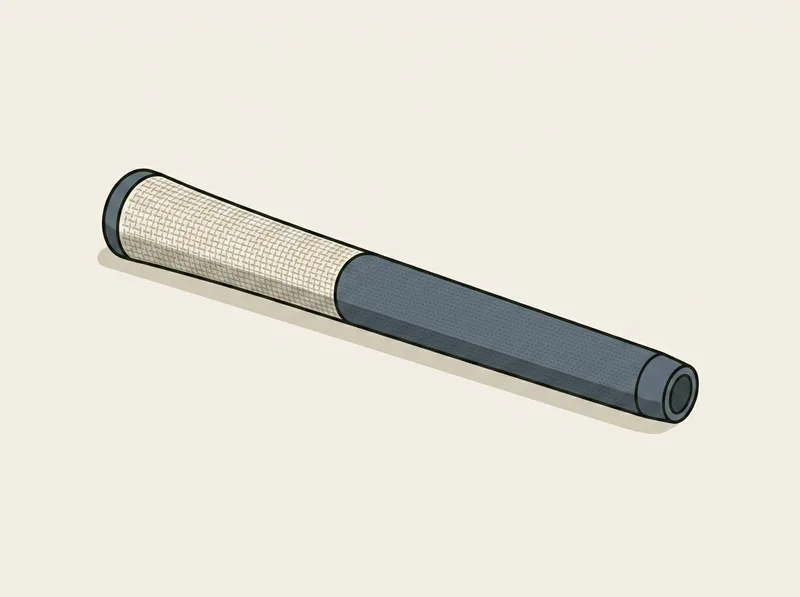 Around £12 to £15 a grip
Golf Pride MCC Plus4
- Compound
- Brushed cotton cord in the upper hand, softer rubber in the lower
- Texture
- Cord weave above, moulded rubber pattern below
- Wet weather
- The cord section keeps working when damp, which is where it matters
- Sizes
- Standard and midsize, with an ALIGN version
- Profile
- Lower hand roughly 4.6% larger in diameter than the original MCC
- Construction
- Two compounds moulded into one grip
- Puts the cord exactly where your hand slips first, which is the lead hand at the top.
- The soft rubber lower section means it does not shred a bare trail hand the way full cord does.
- The ALIGN version adds a raised ridge for anyone who wants the hands placed the same way every time.
- Half the price again over the Tour Velvet, and a full set of thirteen shows it.
- Cord is abrasive, and if you play without a glove your lead hand will notice by the back nine.
- Two compounds means two wear rates, and the join is where the grip eventually fails.
VerdictThe best all-round grip here for anyone who plays in mixed weather and wears a glove. It is the sensible upgrade from Tour Velvet and the only one on this page that solves wet hands without punishing dry ones.
There is an ALIGN version with a raised ridge running down the back, aimed at getting the hands on the same way every time. Whether you want that is a matter of taste, and it is the sort of feature that either becomes invisible after two rounds or never stops being noticeable.
The cost is real. It is roughly half again the price of the Tour Velvet, which across thirteen clubs is a meaningful difference, and the join between the two compounds is where the grip eventually gives up.
Winn Dri-Tac: soft, and in every size
The Winn Dri-Tac is not rubber. It is Winn's own polymer, softer than anything else on this page, with a wrapped profile and a surface that stays tacky when damp rather than going slick.
The other thing Winn do that nobody else here matches is sizing. Dri-Tac is published in ladies, junior, standard, midsize and oversize, which is a genuinely wider fitting range than two sizes. For anyone whose hands sit outside the middle of the distribution, that alone decides the purchase.
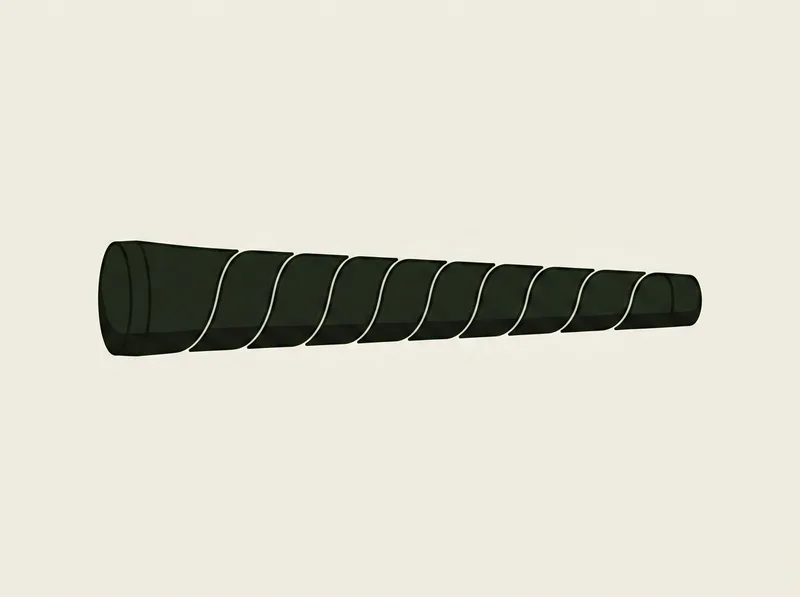 Around £11 to £15 a grip
Winn Dri-Tac
- Compound
- Winn's own polymer rather than rubber
- Texture
- Soft tacky surface with a wrapped profile
- Wet weather
- Stays tacky damp, which is the whole selling point
- Sizes
- Ladies, junior, standard, midsize and oversize
- Feel
- The softest here by a distance, with the most shock absorption
- Sold as
- Single grips and sets
- Five published sizes including junior and ladies, which is the widest fitting range on this page by some way.
- Polymer absorbs impact vibration in a way rubber does not, which matters if your hands or elbows ache after a range session.
- Tacky enough that a lot of golfers stop wearing a glove on it, which is not true of anything else here.
- Wears out fastest of the four, and it is not close.
- Soft polymer feels vague to anyone used to a firm rubber grip, and some golfers hate it immediately.
- It marks and discolours, so it looks tired long before it stops working.
VerdictThe pick for golfers with sore hands, joint pain, or a hand size that standard and midsize do not cover. You are trading lifespan for comfort, and if comfort is your problem it is an easy trade.
Polymer also absorbs impact vibration in a way rubber does not. If your hands sting on a cold morning or your elbows complain after a long range session, that is worth a great deal, and it is a large part of why Dri-Tac has the following it has among older golfers and anyone managing joint pain.
The cost is lifespan. It wears out fastest here and it is not close, and it marks and discolours long before it stops working, so it looks finished before it is. Some golfers also simply dislike how vague a soft grip feels, which is a preference rather than a fault and is worth testing before committing thirteen clubs.
Lamkin UTx: three layers, built for weather
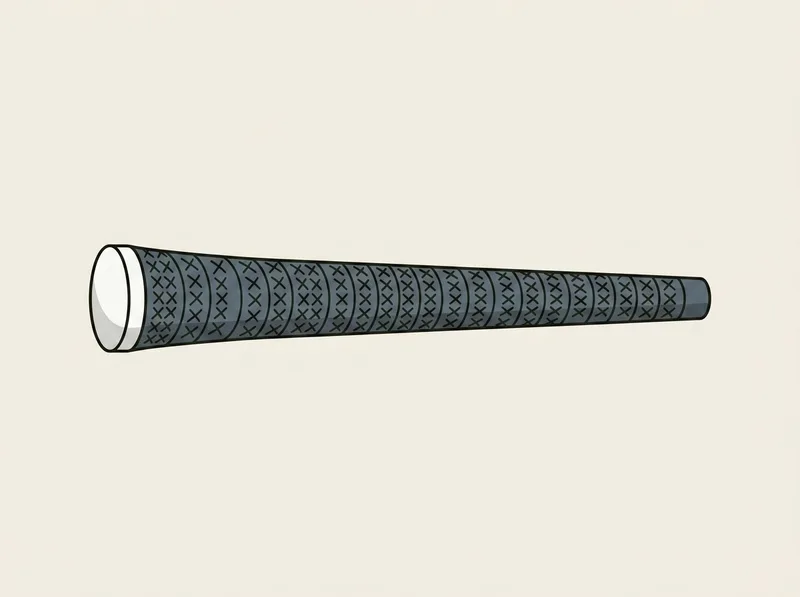
The UTx takes a different route to the same problem. Rather than one compound with a texture, Lamkin build it in three layers: a soft inner compound, a moisture-wicking fabric weave in the middle, and a firmer outer compound carrying an X pattern cord texture across the full length.
The middle layer is the interesting part. Full cord grips handle water by being coarse enough that a wet hand still catches on something. A fabric layer that actively pulls moisture off the surface means the outer texture does not have to be quite as brutal to achieve the same result, which is a genuinely different engineering answer.
 Around £12 to £16 a grip
Lamkin UTx
- Compound
- Three layers, with a moisture-wicking fabric weave in the middle
- Texture
- X pattern cord across the full length
- Wet weather
- Built for it, with a fabric layer that pulls moisture off the surface
- Sizes
- Standard, midsize and a wrap version
- Construction
- Lamkin's Tri-Layer, soft inner and firmer outer compound
- Feel
- Firm, with less torque than a single compound grip
- The three layer build is a genuinely different approach rather than a texture change.
- The middle fabric layer is doing the wet weather work, so the surface does not have to be as harsh as full cord.
- The firmest and lowest torque grip here, which suits faster swings.
- Cord over the whole length is uncomfortable on a bare hand, full stop.
- The firm feel transmits everything, including a thin strike on a cold morning.
- Fewer stocked size options than the Winn, so fitting choices are narrower.
VerdictThe buy if you play through winter, sweat heavily, or have simply given up on grips going slick. It is the most weather-proof grip here and the least comfortable to hold without a glove, and those two facts are the same fact.
It is still cord over the whole length, and cord over the whole length is uncomfortable on a bare hand. It is also the firmest grip here, which suits faster swings and transmits everything to your hands on a cold thin strike.
Cord or rubber, and how to decide
This is the only real decision in the category, and it is decided by your hands and your weather rather than by your handicap.
| Rubber | Cord or hybrid | |
|---|---|---|
| Dry conditions | Comfortable, grippy, nothing to complain about | Grippier than needed, and abrasive |
| Damp hands or humidity | Goes slick, and the response is to squeeze | Keeps working |
| Rain | Needs drying between shots | Degrades far more slowly |
| Playing without a glove | Fine, and pleasant | Rough on the lead hand within a round |
| Lifespan | Good | Best, cord outlasts rubber |
| Price | Cheapest | Twenty to fifty per cent more |
The rule of thumb that holds up: if you wear a glove and play in weather that includes rain, hybrid cord is the better default and the MCC Plus4 is the obvious version of it. If you play mostly in dry conditions or often play without a glove, rubber is more pleasant and you lose nothing. If your problem is that your hands hurt rather than that they slip, neither answer applies and the polymer is what you want.
That distinction is the whole reason grips matter. A grip is not adding control, it is removing the need to squeeze. How to hold the club covers the placement side, and pressure is the variable that connects the two.
When to replace, and what it costs
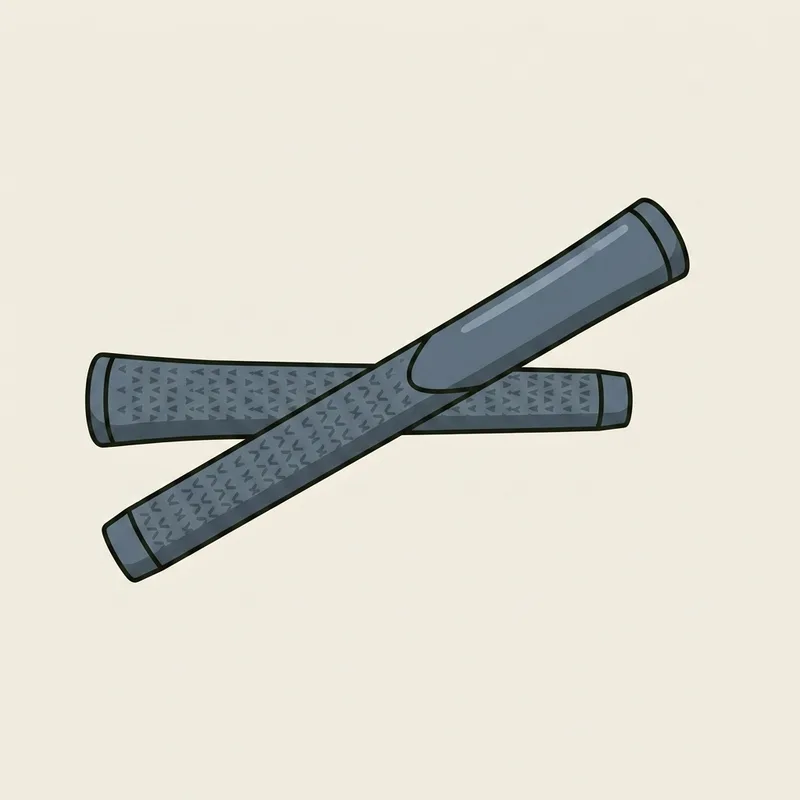
The practical signals are visual and tactile together. Look for the shine: a polished patch under the lead hand where the texture has gone flat. Feel for hardness: an old grip is noticeably less compliant under a thumbnail than a new one. If either is obvious, the set is due.
Doing it yourself is straightforward and cheaper than having it done, and how to regrip golf clubs walks the whole job through, including the tape, the solvent, the cure time and the small number of ways it goes wrong. It also covers the cost comparison against paying a shop, which is closer than most people expect once you have bought the tools.
What the Rules allow
Two things follow from that. Every grip on this page conforms, because everything interesting grip makers do happens in the compound, the texture and the taper profile rather than in the shape. And a putter is a genuinely different product with different rules, which is why putter grips have got so much fatter over the last decade while swing grips have not.
What to spend
| Budget | What it buys per grip | Who it suits |
|---|---|---|
| £6 to £9 | A plain rubber compound, one or two sizes, no cord | Anyone replacing a worn set on a budget |
| £9 to £13 | Reduced taper, better compounds, a soft polymer option | Most golfers, most of the time |
| £13 to £17 | Hybrid or full cord, multi-layer construction, ALIGN options | Wet climates, sweaty hands, faster swings |
Multiply by thirteen and the decision changes character. A set of the cheapest grips here is roughly the price of one premium driver head cover. A set of the most expensive is a decent chunk of a wedge. Both are among the best value changes available to a bag, and unlike almost every other equipment decision they are fully reversible.
Two other things affect grip security more than the grip does, and both are cheaper. A glove that actually fits is doing at least as much work as the compound, and a rain glove grips better wet than dry, which is the single most useful piece of wet weather kit nobody buys until their third soaking. And a towel with a dry section is what restores a grip mid-round, because no compound survives being wet if nothing ever dries it. All three together is the answer, and waterproofs is the fourth piece for anyone who plays through winter deliberately.
If the whole bag feels wrong rather than one club, grips are one line on a longer list, and what a club fitting measures covers where they sit against shaft, lie and loft.
Key takeaways
- Compound decides wet weather behaviour, texture decides how much bite the surface needs. Everything else is marketing on top of those two.
- The Golf Pride Tour Velvet Plus4 is the sensible default: the standard rubber compound with less taper through the trail hand.
- The Golf Pride MCC Plus4 puts cord in the lead hand and rubber in the trail hand, which is the right split for anyone who wears a glove and plays in rain.
- The Winn Dri-Tac is a soft polymer rather than rubber, absorbs impact and comes in five published sizes.
- The Lamkin UTx uses three layers with a moisture-wicking fabric in the middle, which is the most weather-resistant construction here.
- A grip does not add control. It removes the need to squeeze, and lower grip pressure is what frees up tempo and wrist hinge.
- Rubber hardens with age as well as use, so a set stored for years is due regardless of rounds played.
- Grips must be circular in cross-section on every club except a putter, and no grip may exceed 1.75 inches across.
Common questions
What are the best golf grips?
For most golfers the Golf Pride Tour Velvet Plus4, which is the standard rubber compound with a reduced taper. If you play in wet or humid conditions the Golf Pride MCC Plus4 is the better answer, and if your hands ache or you need a size outside standard and midsize, the Winn Dri-Tac is the one to look at.
Are cord golf grips better than rubber?
In the wet, clearly. In the dry, no, and they are more abrasive on a bare hand. Cord keeps working when your hands are damp, lasts longer and costs more. If you wear a glove and play through winter, cord or a hybrid is the better default. If you play in dry weather without a glove, rubber is more pleasant.
What golf grips are best for wet weather?
A hybrid such as the MCC Plus4 or a full cord such as the Lamkin UTx. The hybrid puts the cord in the lead hand where slipping starts, which is enough for most conditions. Full cord goes further and is less comfortable to hold without a glove. Neither works if the grip never gets dried, so carry a towel with a dry section.
What grips are best for arthritis or sore hands?
Soft polymer grips such as the Winn Dri-Tac, in a larger size. Polymer absorbs impact vibration in a way rubber does not, and a larger diameter spreads the load across more of the hand and needs less squeeze to stay secure. Both effects work in the same direction, which is why this combination gets recommended so consistently.
How often should golf grips be replaced?
When the texture has polished flat under the lead hand or the rubber has gone hard, whichever comes first. Rubber hardens with age as well as use, so a set stored in a garage for several years is due even if barely played. The reliable test is whether you are holding on tighter than you used to.
How much does it cost to regrip a set of golf clubs?
The grips themselves run from around six pounds each for basic rubber to around seventeen for premium cord, so thirteen clubs is somewhere between eighty and two hundred and twenty pounds in parts. Shops charge a fitting fee per club on top, and many waive it if you buy the grips from them.
Can I put any grip on any club?
Almost. The grip's core size has to match the butt diameter of the shaft, and the grip has to conform to the Equipment Rules, which means circular in cross-section with no moulding for the hands on anything except a putter. Within that, any grip goes on any club.
Do golf grips affect distance?
Not directly. The indirect route is grip pressure: a grip that holds securely lets you hold the club lightly, and lighter hands allow more wrist hinge and a freer release, both of which contribute to clubhead speed. Anyone quoting a yardage figure for a grip change is guessing.
Should all my clubs have the same grip?
Usually yes, because consistency of feel between clubs is worth more than optimising each one. The common exceptions are the putter, which follows completely different rules and often has a very different grip, and sometimes the driver, where a few golfers prefer a slightly firmer compound.
Are ALIGN grips worth it?
They are worth trying rather than assuming. The raised ridge gives your hands a reference so they go on the same way each time, which some golfers find useful and others stop noticing within two rounds. It costs about a pound more per grip, so testing it on one club before committing the set is easy.
Do I need a glove if I have good grips?
Not necessarily, and plenty of good players use a soft polymer or plain rubber grip without one. What a glove adds is a consistent friction surface regardless of how your hands are on the day, which matters more in heat and humidity than in cold. Cord grips and bare hands are a poor combination whatever else is true.
How we put this together
- Published manufacturer specifications for each grip, taken from the maker's own listing rather than a retailer's summary.
- Prices recorded as GBP bands read from UK retailers, never converted from a US list price, because UK grip pricing is set independently of American MSRP.
- What the grip is actually made of, since compound rather than pattern decides how it behaves once your hands are damp.
- The surface texture, because that is the part of a grip you feel and the part that wears out first.
- How many sizes the model is offered in, which decides whether the grip can be fitted to your hands or only to the average pair.
- The Equipment Rules limits on grips, which are stricter than most golfers realise and rule out shapes people assume are legal.
On this page
- The four, compared
- Golf Pride Tour Velvet Plus4: the default
- Golf Pride MCC Plus4: cord where it counts
- Winn Dri-Tac: soft, and in every size
- Lamkin UTx: three layers, built for weather
- Cord or rubber, and how to decide
- When to replace, and what it costs
- What the Rules allow
- What to spend
- How we put this together

Tom Ashworth
Tom Ashworth is a PGA Professional who has taught golf since 2012, working mainly with beginners and mid-handicappers at club level in Surrey. He reviews the instruction guides on Learn Golf for technical accuracy before they publish.
Most of his teaching is with players in their first three years of the game, and most arrive having been told too much: six swing thoughts collected from videos, half of them contradicting each other. His approach is to check the grip and the alignment before touching the swing, on the basis that most bad ball flight is decided at address.