Best Golf Gloves: Four Picks, and When to Bin Yours
A golf glove is a consumable, not equipment. Here is what separates leather from synthetic, how to size one properly including cadet, and the four worth buying.
Some links here earn us a commission at no extra cost to you. It never changes what we recommend or the order we rank it. How this works.
A golf glove is the only thing you buy that touches your hand and the club at the same time, and the only piece of kit designed from the start to wear out. Most golfers pick one on price, wear it until it splits at the thumb, and never discover that a different material or a different fitting would have suited them. Here is what separates four current gloves, and when yours should already have gone in the bin.
The four, compared
Two of these are cabretta leather, one is a synthetic hybrid, and one is a rain glove that exists for conditions the other three fail in. That is the whole category in four products, and the choice between them is mostly a choice about weather and about how willingly you replace things.
| Pick | Best for | Material | Cadet sizes | Wet weather | Sold as | Price |
|---|---|---|---|---|---|---|
| FootJoy StaSof | The default leather glove, and the widest fit range | Cabretta leather, Taction3 by Pittards | Yes, cadet S to cadet XL | Poor once soaked through | Single glove | Around £20 to £26 |
| Titleist Players Glove | The thinnest leather and the most feel | Cabretta leather, thinnest specification | Yes, left hand only | Poor, and it stiffens as it dries | Single glove | Around £22 to £25 |
| Callaway Weather Spann | Lasting longest, and costing least to replace | Fusetech synthetic, leather palm and thumb | Yes, cadet left and right | Holds up damp, not in real rain | Single glove or a two pack | Around £9 to £12 |
| FootJoy RainGrip Pair | The round that would otherwise be abandoned | Autosuede knit palm, QuikDry II backs | Not published | The only one that grips better wet | Pair, left and right | Around £18 to £25 a pair |
Nothing on this page carries a published lifespan, and that is not an oversight in the research. No glove manufacturer states how many rounds their glove is built for, which means the durability column of every glove comparison on the internet is somebody's guess. What can be checked is the material, the fitting range, and the construction, so that is what this page compares.
FootJoy StaSof: the default leather glove
FootJoy sell more golf gloves than anyone else and the FootJoy StaSof is the model most of that reputation rests on. The leather is cabretta, tanned as Taction3 Advanced Performance Leather by Pittards of England, and the point of the treatment is that the leather keeps its softness for longer than untreated hide. The back of the hand carries PowerNet mesh across the knuckles rather than a solid panel, and the closure is FootJoy's angled ComforTab.
The reason it leads this page is duller than any of that. FootJoy publish cadet sizes right across the range, from cadet small to cadet extra large, which means a golfer with a wide palm and short fingers has a genuine choice of size rather than one token option. That fixes more bad glove fits than any material ever has.
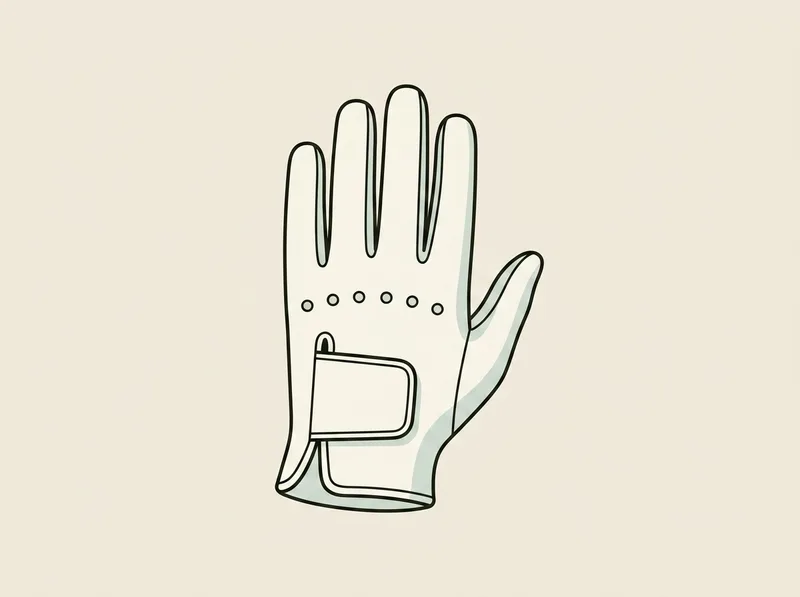 Around £20 to £26
FootJoy StaSof
- Material
- Cabretta leather, Taction3 by Pittards
- Cadet sizes
- Yes, cadet S to cadet XL
- Wet weather
- Poor once soaked through
- Sold as
- Single glove
- Closure
- Angled ComforTab tab
- Ventilation
- PowerNet mesh across the knuckles
- Published lifespan
- None
- The broadest published cadet range of the four, which is the single most useful thing a glove brand can offer.
- Cabretta leather that stays soft longer than the untreated leather on cheaper gloves.
- Mesh across the knuckles rather than a solid back, so it is bearable in July.
- Leather is the worst material here in genuinely wet weather.
- Wears out faster than any synthetic on this page and costs twice as much.
- FootJoy publish no expected lifespan, so there is no stated basis for the price gap.
VerdictThe right buy for a golfer who plays regularly, notices what the grip feels like, and accepts that a glove is a running cost. The cadet range is the reason to choose it over the Titleist, and the reason a lot of hands finally get a glove that fits.
The weakness is inherent to the material. Cabretta is thin skin, and thin skin soaks. In a real shower this is the worst glove on the page, and if you dry it near a radiator afterwards it comes back hard, shiny and half a size smaller. Leather buys feel and it charges for it in rounds.
Titleist Players: the thinnest leather here
The Titleist Players Glove is built to the thinnest leather specification Titleist offer, and that is the entire argument for it. The fingers are ventilated, there is satin reinforcement at the cuff and at the thumb, and the closure is a plain hook and loop tab. Cadet is available, though Titleist publish it for the left hand only.
Thin leather does something specific: it puts less material between your fingers and the grip, so you feel the club's texture and the pressure changes through the swing rather than a muffled version of them. Golfers who have got used to it rarely go back. Whether it is worth anything to a golfer who is still working on a proper golf grip is a fair question, because feel is only useful once there is something consistent to feel.
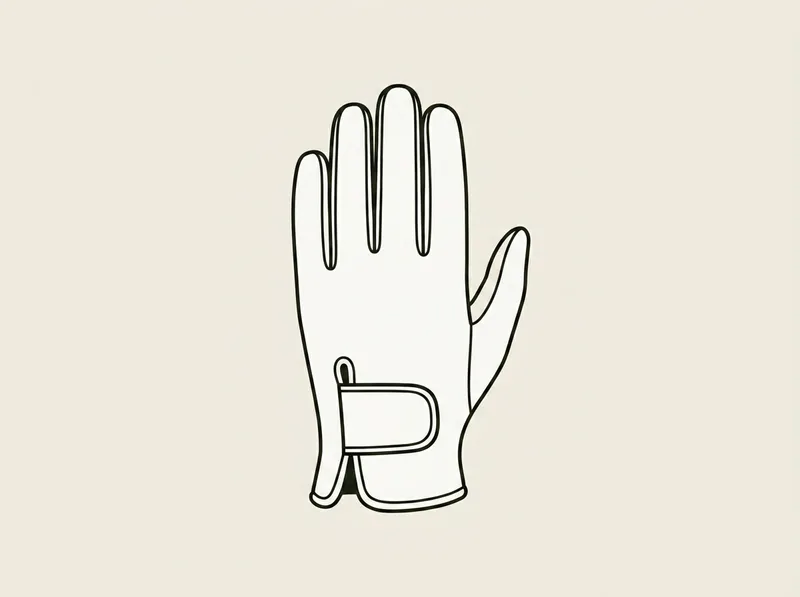 Around £22 to £25
Titleist Players Glove
- Material
- Cabretta leather, thinnest specification
- Cadet sizes
- Yes, left hand only
- Wet weather
- Poor, and it stiffens as it dries
- Sold as
- Single glove
- Closure
- Hook and loop tab
- Reinforcement
- Satin at the cuff and thumb
- Published lifespan
- None
- The thinnest leather of the four, which is a real difference in how much of the grip you can feel.
- Ventilated fingers and a reinforced cuff and thumb, which are the two seams that usually go first.
- Cadet is offered, which puts it ahead of most gloves at the price.
- Cadet is published for the left hand only, so left-handed golfers with a wide palm are stuck.
- Thin leather is short-lived leather. This is the fastest-wearing glove here.
- Turns hard and shiny quickly if it is dried anywhere warm.
VerdictFor the golfer who can tell the difference between a thin glove and a thick one and would rather have the feel than the mileage. If you play twice a month in summer it is a luxury worth having, and if you play forty rounds a year in wet weather it is an expensive way to buy the same grip twice.
The bill arrives in wear. Thinner leather is less leather, and this is the fastest-wearing glove of the four. Expect it to go at the heel of the palm or along the outside of the little finger, which are the two places a right-handed golfer's lead hand takes most of the load.
Callaway Weather Spann: the one that lasts longest
The Callaway Weather Spann is a synthetic hybrid rather than a leather glove. Callaway's own Fusetech synthetic covers most of it, with leather at the palm and thumb where the wear happens, and micro-ventilation punched through the palm, thumb, closure and fingers. Cadet is published in both left and right hand, which is unusual anywhere and close to unheard of at around twelve pounds.
Synthetic gloves get written off by better players as the cheap option, and the honest position is that they trade a little feel for a lot of mileage. The palm stays intact longer, the back does not shrink and harden after a damp round, and when it finally goes you are replacing a twelve pound glove rather than a twenty-five pound one.
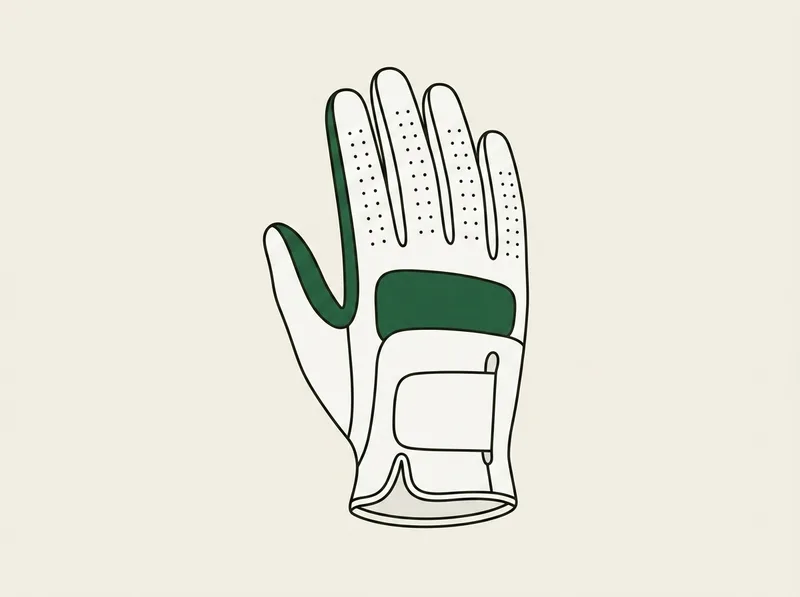 Around £9 to £12
Callaway Weather Spann
- Material
- Fusetech synthetic, leather palm and thumb
- Cadet sizes
- Yes, cadet left and right
- Wet weather
- Holds up damp, not in real rain
- Sold as
- Single glove or a two pack
- Closure
- Adjustable tab
- Ventilation
- Micro-ventilation on palm, thumb, closure and fingers
- Published lifespan
- None
- Roughly half the price of the leather gloves and it outlives both of them comfortably.
- Cadet is published in both left and right hand, which almost nothing else at this price does.
- The synthetic back does not harden and shrink after a damp round the way leather does.
- You can feel the extra thickness through the grip against a thin cabretta glove.
- Callaway describe it as all weather without publishing what that means, and it is not a rain glove.
- The stretch panels lose their tension well before the palm wears through.
VerdictThe sensible default for anyone who plays often enough that gloves are a recurring cost, and the obvious first glove for a beginner. What you give up is a small amount of feel, and what you get back is roughly double the rounds for half the money.
The name deserves a caveat. All weather in glove marketing means it copes with humidity and light drizzle better than leather does, not that it works in rain. Callaway publish no rating behind the phrase and there is no standard one could be measured against, so treat it as a description of a damp Tuesday rather than a promise about February.
FootJoy RainGrip Pair: the cheapest thing that saves a round
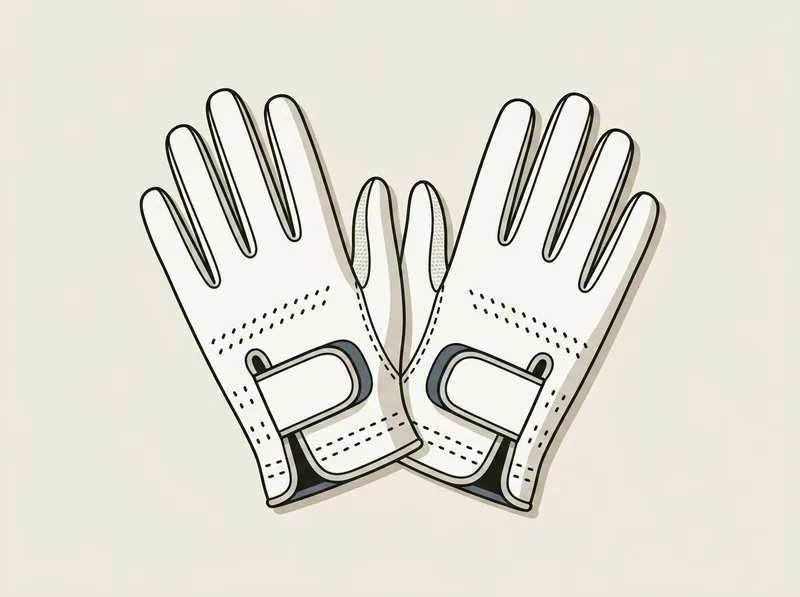
The RainGrip is a different object from the other three. The palms are an autosuede knit rather than leather or coated synthetic, the backs of the fingers are FootJoy's QuikDry II knit, and the pair is sold as a pair, one for each hand, with a removable ball marker on the closure tab.
Knit palms behave the opposite way to leather when they get wet. Leather goes slick and then goes slack. A knit palm gets tackier as it takes on water, which is why tour players put them on in a downpour and why the same pair has been in the bottom of sensible golf bags for a decade. Wearing one on each hand matters too, because in heavy rain the trailing hand is the one that slides.
 Around £18 to £25 a pair
FootJoy RainGrip Pair
- Material
- Autosuede knit palm, QuikDry II backs
- Cadet sizes
- Not published
- Wet weather
- The only one that grips better wet
- Sold as
- Pair, left and right
- Closure
- Angled ComforTab tab
- Extras
- Removable ball marker
- Published lifespan
- None
- Knit palms that get tackier as they get wetter, which is the opposite of what leather does.
- Sold as a pair, so both hands are on the club properly rather than one hand hanging on.
- Lives in the bag permanently and costs nothing to keep there.
- Vague and slippery on a dry day, so it is not a glove you leave on all season.
- No cadet fitting is published, which is a real gap on a glove sold in one style.
- The knit palm picks up grass and grit and gets grubby fast.
VerdictNot a glove you wear every week, and the best twenty pounds in most golf bags anyway. It turns a round that was going to be quietly abandoned at the tenth into a round you finish, and it is the only item on this page that does something no other glove can.
They are poor in the dry. Vague, slightly numb, and no substitute for a normal glove on a still July evening. They are also the single cheapest piece of kit that turns an unplayable round into a playable one, which is a better return than anything else on this page. Everything else that keeps you playing in the wet, the jacket and the trousers, is a much larger decision and it is covered separately in golf rain gear.
Leather or synthetic, and what happens when it rains
This is the only decision on the page that changes how the glove behaves. Everything else is preference.
| Cabretta leather | Synthetic hybrid | Rain glove | |
|---|---|---|---|
| Feel through the grip | Thinnest and most direct | Noticeably thicker | Muffled, and vague when dry |
| Grip when dry | Excellent | Very good | Poor |
| Grip when damp | Slick, then slack | Holds on | Excellent |
| Grip in heavy rain | Gone | Struggling | Better than dry |
| Rounds before it goes | Fewest | Most | Only worn occasionally |
| Cost to replace | £20 to £26 | £9 to £12 | £18 to £25 a pair |
| After it dries out | Hard, shiny, smaller | Unchanged | Unchanged |
The practical answer for most golfers is that leather is a summer material and a synthetic is an all-year one, and a rain pair sits in the bag alongside whichever you chose. Buying one leather glove and treating it as the answer to every round is how most people end up hanging on to a hard, shiny glove that stopped gripping in March.
Fit, and why cadet exists
A golf glove should feel slightly too tight when you put it on and correct after two holes. There should be no loose material across the palm, no bunching at the base of the fingers, and no more than a few millimetres of spare leather past your fingertips. Loose material moves, and material that moves is material rubbing rather than gripping.
Cadet is the fitting almost nobody gets told about. A cadet glove has a shorter finger length and a wider palm than the regular size of the same name, which suits a hand that is broad across the knuckles without long fingers. That describes a very large number of hands, and a golfer with one who buys regular sizes spends years choosing between a glove that is tight across the palm and one with empty fingertips. If your gloves always wear through at the fingertips or bag up in the palm, buy a cadet in the size below and the problem usually disappears.
The glove goes on the lead hand, which is the left hand for a right-handed golfer and the right hand for a left-hander. Most golfers take it off to putt, on the reasonable grounds that a putting stroke needs feel rather than grip, and the various putting grip styles are built around bare hands on the handle. Two gloves in normal conditions is a personal preference rather than a mistake, and it is common enough among golfers who sweat heavily or who play in a hot climate.
A glove is a consumable, and most golfers wear one far too long
This is the part of the subject nobody wants to hear. A glove is not equipment you own, it is a supply you use up, in the same category as balls and grips rather than clubs and shoes. Its job is to increase friction between your hand and the grip, and it starts doing that job worse from the first round.
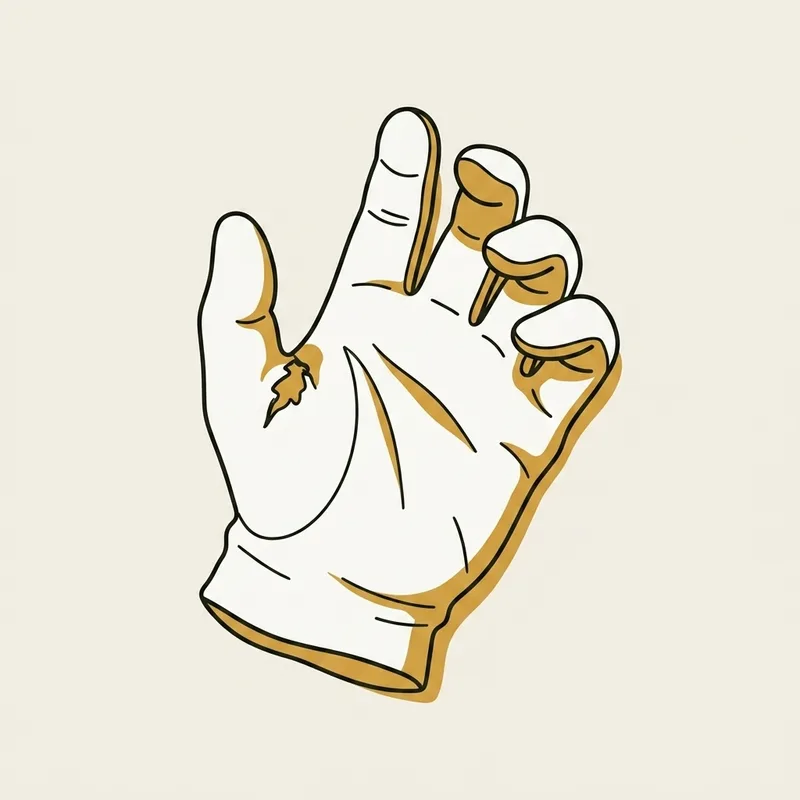
No manufacturer publishes a lifespan, so ignore anyone quoting one and use the glove itself instead. Two checks take a few seconds. Turn the palm to the light and look for a shine: a working glove is matt and a glazed one has been polished smooth by the grip and has stopped gripping back. Then push a thumb into the heel of the palm, below the little finger, and feel for the leather going thin before it goes through.
What accelerates all of it is practice rather than golf. A range session puts more strikes through a glove in ninety minutes than eighteen holes does in four hours, and range grips are usually rougher and dirtier than the ones on your own clubs. A glove kept for the course and an old one kept for the range is the cheapest way to make both last.
Three habits do the rest. Take it off between shots in hot weather rather than letting it sit soaked in sweat, unfasten the closure and lay it flat rather than screwing it into a ball in a pocket, and let it dry at room temperature and never on a radiator, which is what turns leather into cardboard.
What the Rules actually allow
Gloves are one of the few pieces of clothing the Rules of Golf have anything to say about, and what they say is narrower than most golfers realise.
In practice, every glove sold as a golf glove by a golf brand conforms, and this only becomes a live question with training aids. A glove with a moulded ridge to set hand position, a strap linking the hand to the club, or a hook and loop patch that mates with a matching patch on the grip is a practice tool, not a glove, and taking one onto the course in a competition is a breach. Wearing it on the range is fine, which is where it belongs anyway.
What to spend
Gloves are the cheapest thing in golf to get right and one of the easiest to leave too long. A sensible annual spend is one number rather than one purchase.
| Budget per glove | What it buys | Who it suits |
|---|---|---|
| £9 to £12 | A synthetic hybrid, more rounds per glove, a little less feel | Anyone playing regularly who would rather not think about it |
| £20 to £26 | Premium cabretta, mesh venting, a full cadet size range | A golfer who notices the grip and replaces gloves willingly |
| £18 to £25 a pair | A dedicated rain pair that stays in the bag all year | Anyone playing through a wet autumn and winter |
Set against green fees and balls, gloves barely register, and what golf costs puts the whole first year in proportion. The genuinely expensive mistake is the opposite one: keeping a glazed glove for a season, gripping harder to compensate, and tightening the forearms in a way that shows up in the swing rather than in the wallet.
Do you need a glove at all?
No. Nothing in the Rules requires one, plenty of good players putt and chip without one, and a handful play their whole game bare-handed. What a glove does is let you hold the club more lightly for the same security, which matters most in the heat, in the wet, and in the last few holes when hands get tired.
Grip is also not the only thing that slips. Wet feet and a moving lower body cost more shots than a damp handle does, which is why golf shoes compared covers traction as the specification that decides whether a shoe is any good. And if the weather has already beaten the glove, playing in the rain is far more about preparation than technique.
Dress codes rarely mention gloves at all, since a plain glove is the standard everywhere, though the rest of the outfit is a different matter and golf dress codes covers what actually gets refused at the desk.
Key takeaways
- The FootJoy StaSof is the default leather pick, mostly because FootJoy publish the widest cadet size range of anything here.
- The Titleist Players glove is the thinnest leather and the most feel, and it is also the fastest to wear out.
- The Callaway Weather Spann costs about half as much, lasts noticeably longer, and gives up a small amount of feel to do it.
- A FootJoy RainGrip pair grips better as it gets wetter and belongs in the bag permanently, whichever glove you wear normally.
- No manufacturer publishes an expected lifespan for any golf glove, so every durability figure you read is a guess.
- A glove is a consumable. Check it for shine on the palm and for thinning at the heel of the hand, and replace it before it splits.
- Cadet means shorter fingers and a wider palm. If your gloves bag up in the palm or wear at the fingertips, that is the fitting you have been missing.
- The Rules permit a plain glove only. Anything with straps, padding or a patch that grips the grip is a training aid, not a glove.
Common questions
What are the best golf gloves to buy?
For most golfers the FootJoy StaSof, on the strength of premium cabretta leather and the broadest published cadet size range here. If gloves are a recurring cost rather than an occasional purchase, the Callaway Weather Spann lasts longer for around half the money. A FootJoy RainGrip pair should be in the bag regardless.
Should I buy a leather or a synthetic golf glove?
Leather feels better and wears out faster. A synthetic hybrid feels slightly thicker through the grip and survives roughly twice as many rounds. In a wet climate, leather is a summer glove and a synthetic is an all-year one, and neither is a rain glove.
What size golf glove do I need?
Snug enough that it feels slightly tight in the shop, with no loose material across the palm and no more than a few millimetres past your fingertips. It should feel correct after two holes. If the right length is tight across the palm, you want a cadet fitting rather than the next size up.
What is a cadet golf glove?
A cadet glove has shorter fingers and a wider palm than the regular glove of the same size. It suits a hand that is broad across the knuckles without long fingers, which is a very common shape. FootJoy publish the widest cadet range of the gloves here, and Callaway publish cadet in both hands.
How long does a golf glove last?
No manufacturer publishes a figure, and anyone quoting one is guessing. Judge the glove instead: a working palm is matt and a finished one is glazed and shiny, and the leather at the heel of the hand goes thin before it goes through. Range sessions wear a glove far faster than rounds do.
Which hand does a golf glove go on?
The lead hand, which is the left hand for a right-handed golfer and the right hand for a left-hander. That hand does most of the work of holding the club, while the trailing hand mainly sits alongside it. Most golfers take the glove off to putt.
Do I need to wear a golf glove at all?
No. Nothing in the Rules requires one and some good players never wear one. What a glove gives you is the same security at a lighter grip pressure, which matters in heat, in rain, and late in a round when your hands are tired.
Do I need two golf gloves?
In normal conditions it is a preference rather than a requirement, and it is common among golfers who sweat heavily. In heavy rain it is close to essential, because the trailing hand is the one that slips first, which is why rain gloves are sold as a pair rather than singly.
Are golf rain gloves worth it?
For anyone playing through a cold, wet winter, yes, and they are the cheapest thing in the bag that changes an outcome. The knit palm grips harder as it takes on water rather than going slick. The trade is that they feel vague and numb on a dry day, so they are kit you swap in rather than kit you wear.
How do I stop a golf glove going hard and shiny?
Take it off between shots in hot weather rather than leaving it soaked, unfasten the closure and lay it flat instead of screwing it into a pocket, and dry it at room temperature. Direct heat from a radiator or a car heater is what turns cabretta into cardboard, and once it has gone hard it does not come back.
Do the Rules of Golf allow any golf glove?
Only a plain one. The Equipment Rules require a separate sheath for each digit and smooth material across the palm and gripping surface, and prohibit padding beyond a stated thickness, straps that stop the club slipping, anything binding the fingers together, and any material on the glove that sticks to the grip. Every glove sold as a golf glove by a golf brand conforms. Training gloves frequently do not.
How we put this together
- Published manufacturer specifications for each glove, taken from the maker's own listing rather than a retailer's summary.
- Whether the maker publishes a cadet fitting, because short fingers on a wide palm is a common hand shape and a glove sold one way fits fewer people than its size chart implies.
- What each material does once it is wet, which is the difference that decides what belongs in a golf bag between October and April.
- The Equipment Rules definition of a plain glove, which sets the outer limit of what a manufacturer is allowed to build in.
- The absence of any published lifespan figure from any of the four brands, which is why this page measures a glove in rounds rather than months.
On this page
- The four, compared
- FootJoy StaSof: the default leather glove
- Titleist Players: the thinnest leather here
- Callaway Weather Spann: the one that lasts longest
- FootJoy RainGrip Pair: the cheapest thing that saves a round
- Leather or synthetic, and what happens when it rains
- Fit, and why cadet exists
- A glove is a consumable, and most golfers wear one far too long
- What the Rules actually allow
- What to spend
- Do you need a glove at all?
- How we put this together

Tom Ashworth
Tom Ashworth is a PGA Professional who has taught golf since 2012, working mainly with beginners and mid-handicappers at club level in Surrey. He reviews the instruction guides on Learn Golf for technical accuracy before they publish.
Most of his teaching is with players in their first three years of the game, and most arrive having been told too much: six swing thoughts collected from videos, half of them contradicting each other. His approach is to check the grip and the alignment before touching the swing, on the basis that most bad ball flight is decided at address.