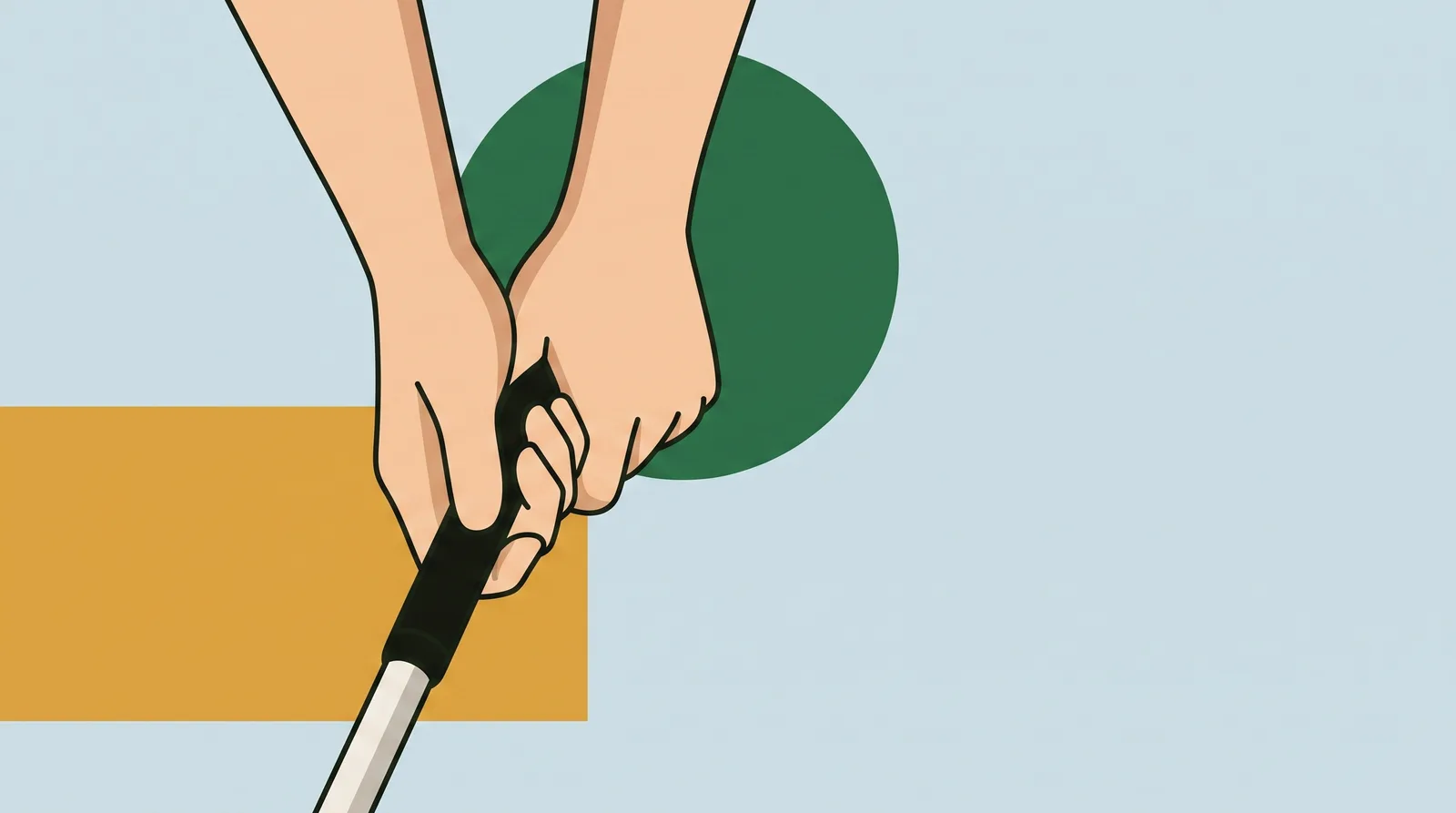
Why the grip decides the shot
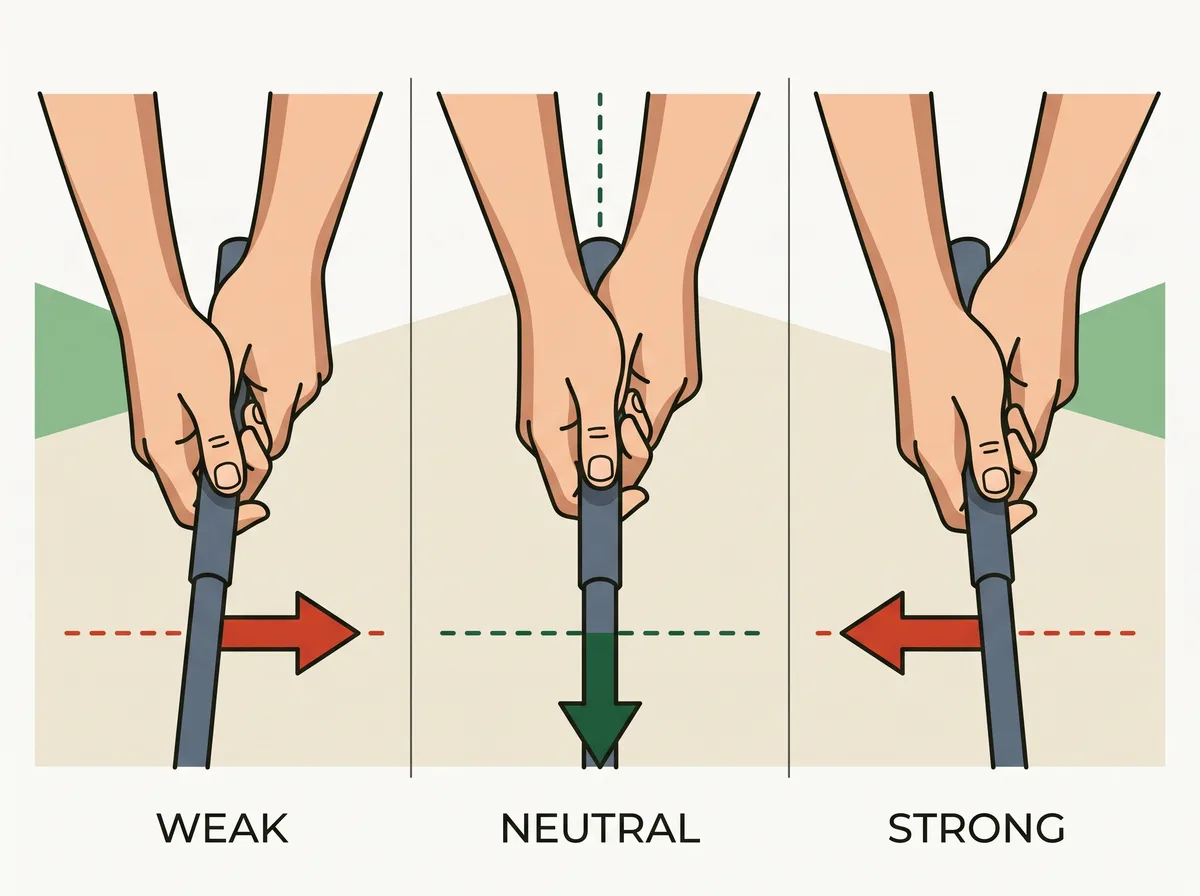
The clubface is square, open, or closed at impact largely because of where your hands were at address. A grip that is too weak leaves the face open and the ball leaks right. Too strong and it shuts, and the ball dives left. Almost every golfer fighting a slice is fighting their grip first and their swing second.
Building the lead hand
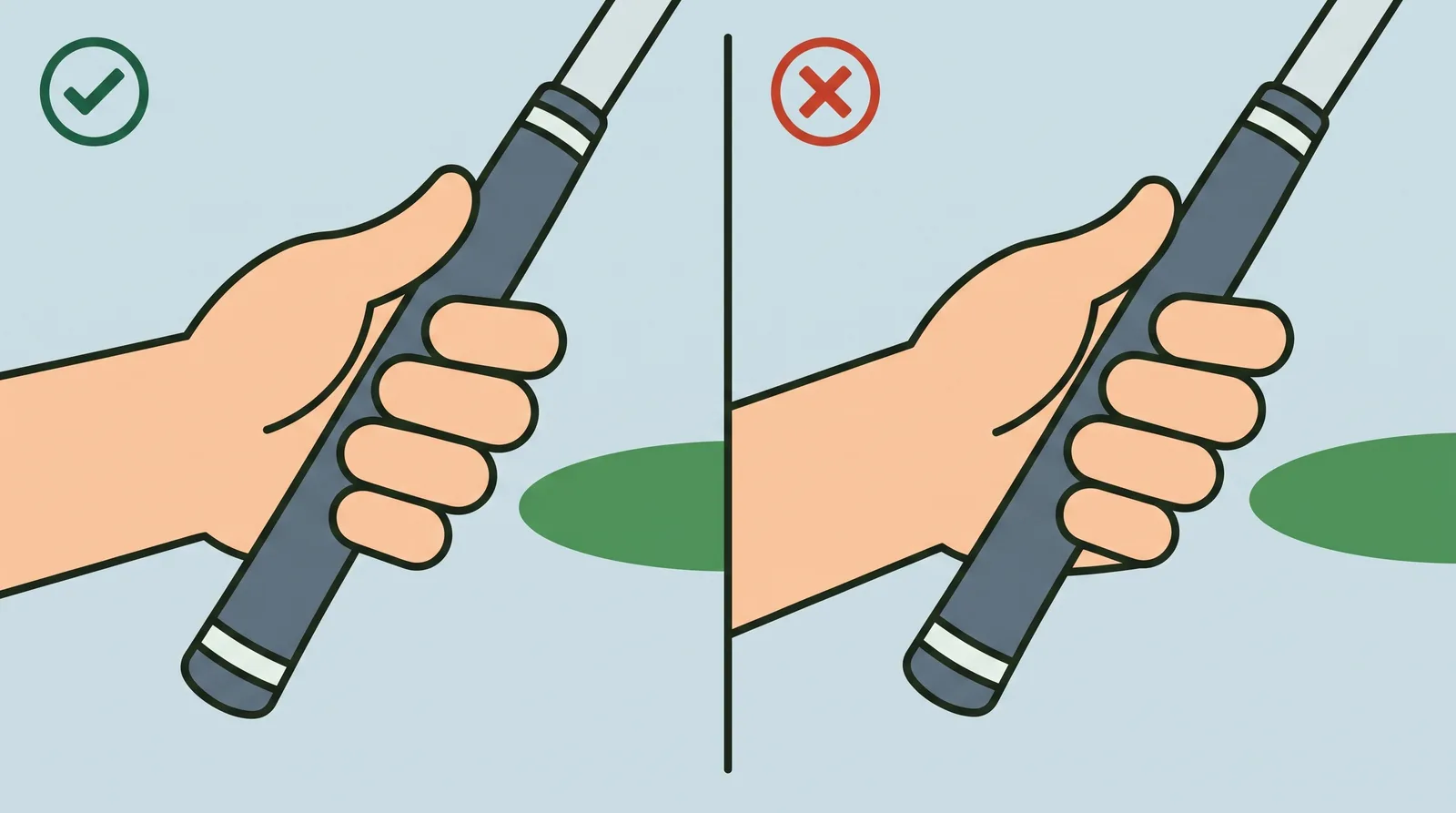
Set the club so the shaft runs diagonally across the fingers, from the base of the index finger to just below the heel pad. This is the single most common place beginners go wrong: the club sits in the palm, the wrist locks, and the swing loses all its hinge.
- Hold the club out in front of you at waist height, face square.
- Lay the grip across the fingers of your lead hand, not the palm.
- Close your fingers, then fold the thumb slightly to the trail side of centre.
- Look down. You should see two to three knuckles.
Adding the trail hand
The trail hand sits underneath and slightly behind. Its lifeline should cover your lead thumb so the two hands work as one unit rather than fighting each other.
Overlap, interlock, or ten-finger
This is genuinely contested and there is no correct answer. All three are used on tour.
| Style | How it joins | Suits | Trade-off |
|---|---|---|---|
| Overlap (Vardon) | Trail pinky rests on top of lead index | Average to large hands | Slightly less unified feel |
| Interlock | Trail pinky and lead index hook together | Smaller hands, weaker grip strength | Can pinch if held too tightly |
| Ten-finger | All ten fingers on the grip | Juniors, arthritis, very small hands | Hands can work independently |
Grip pressure
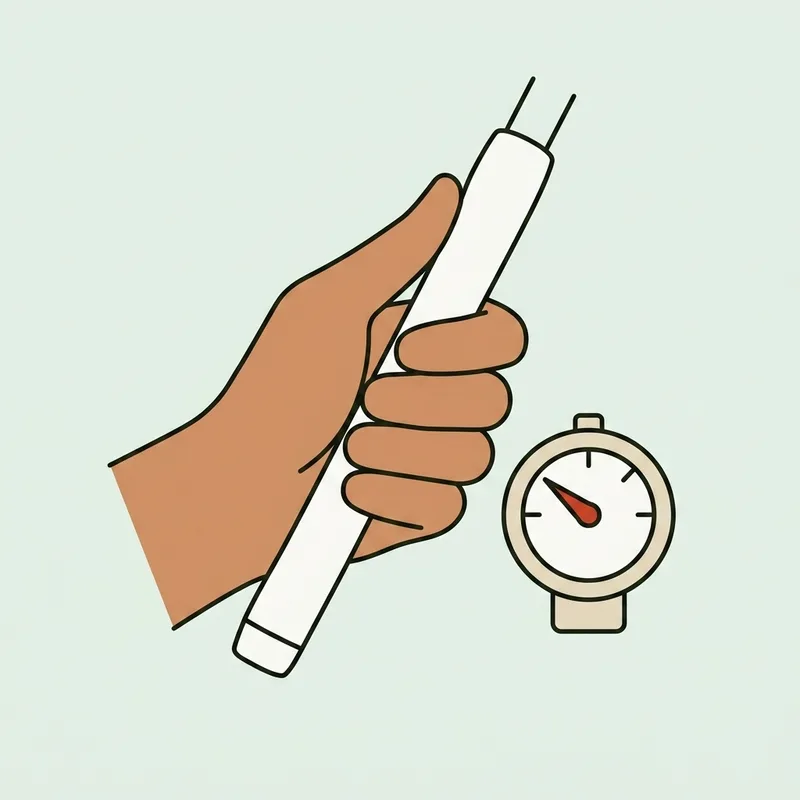
Squeeze at ten out of ten, then release to about four. That is the target. Tight hands mean tight forearms, and tight forearms mean a slow, blocked release.
Key takeaways
- The club belongs in the fingers of the lead hand, never the palm.
- Two to three visible knuckles on the lead hand is the neutral reference point.
- The trail hand's lifeline should cover the lead thumb so the hands act as one.
- Overlap, interlock, and ten-finger are all valid, so pick one and stop switching.
- Grip pressure around four out of ten; tension in the hands slows the release.
- A worn grip makes you hold tighter, so replace grips about once a year.
Common questions
Should a beginner use an interlocking or overlapping grip?
Either works. Interlocking tends to suit smaller hands and less hand strength, which is why it is often suggested for beginners and juniors, but there is no performance advantage. Choose whichever feels less tense after five minutes.
How many knuckles should I see on my lead hand?
Two to three is neutral for most golfers. One or fewer is a weak grip and tends to leave the face open. Four or more is strong and tends to shut it.
Why do my hands hurt after a round?
Almost always grip pressure, sometimes grip size. Try holding at four out of ten first. If that does not fix it, your grips may be too small for your hands.
Does the grip change for different clubs?
No. The grip stays identical from driver to wedge. Only ball position, stance width, and swing length change.
Tom Ashworth
Tom Ashworth is a PGA Professional who has taught golf since 2012, working mainly with beginners and mid-handicappers at club level in Surrey. He reviews the instruction guides on Learn Golf for technical accuracy before they publish.
Most of his teaching is with players in their first three years of the game, and most arrive having been told too much: six swing thoughts collected from videos, half of them contradicting each other. His approach is to check the grip and the alignment before touching the swing, on the basis that most bad ball flight is decided at address.