Best Golf Shoes: Four Picks, Spiked and Spikeless
A golf shoe is the only piece of kit you stand on for four hours and then swing against seventy times. Here is what separates one from another, four worth buying, and the specification almost nobody checks.
Some links here earn us a commission at no extra cost to you. It never changes what we recommend or the order we rank it. How this works.
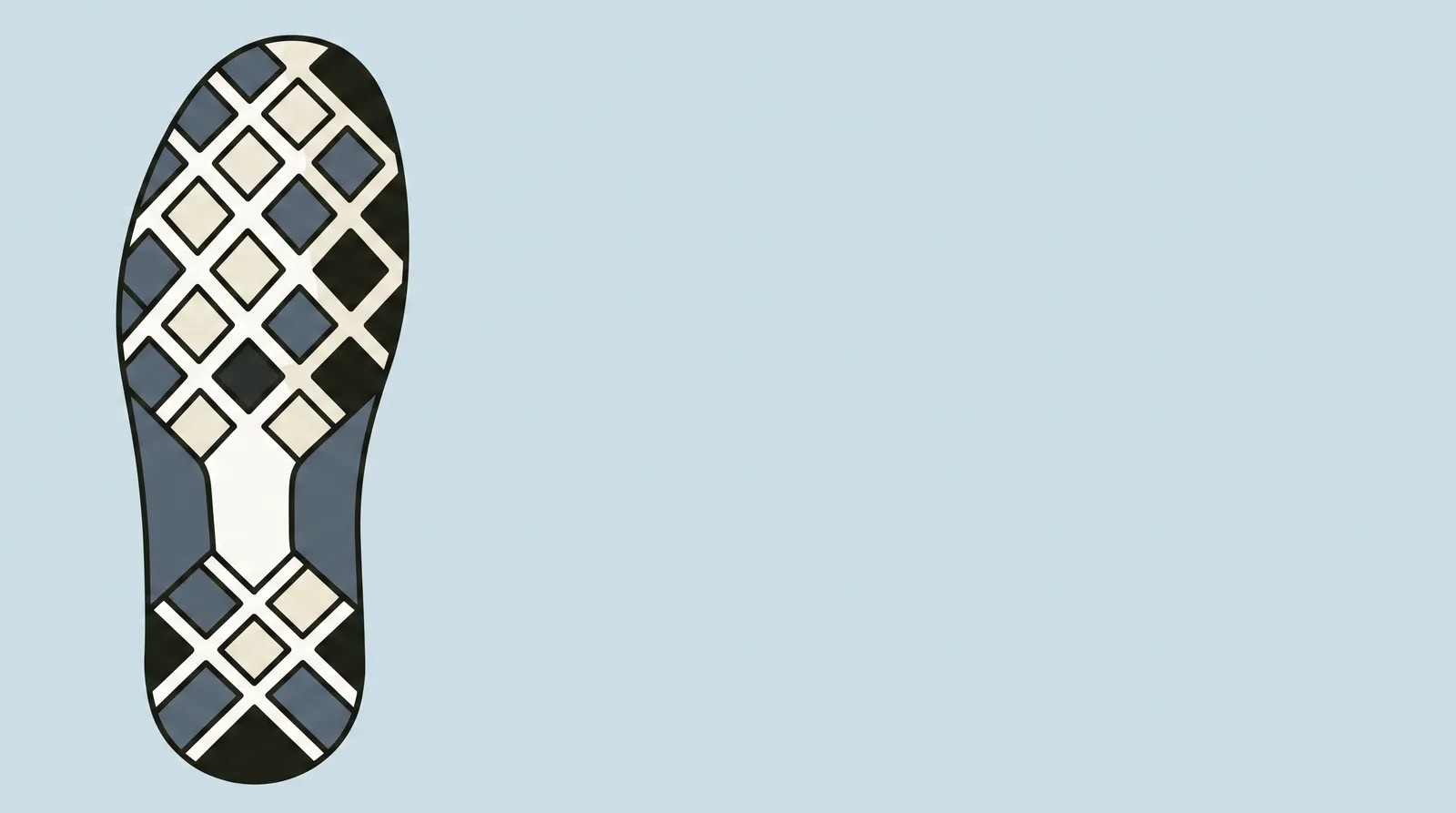
Golf shoes get sold on looks and bought on price, and the two specifications that decide whether a pair is any good barely get a mention. Traction is one. The waterproof warranty is the other, because a shoe that starts letting water in during its second winter is a shoe you buy twice. What follows is what separates four current models, and where the extra money genuinely buys something.
The four, compared
Two of these are spikeless, one is spiked and one sits between the two. That split is roughly where the whole category has landed: spikeless has taken over the shelves, and spiked survives because it is still better at the one thing shoes exist to do.
| Pick | Best for | Type | Waterproof warranty | Traction | Widths | Price |
|---|---|---|---|---|---|---|
| FootJoy Pro/SLX | The one to buy if you only buy one | Spikeless | 2 years | PWR TRAX system, Race Track outsole | Medium and wide | Around £85 to £160 |
| adidas Tour360 24 BOOST | Soft ground and the months nobody enjoys | Spiked, seven cleats | 1 year | TPU outsole with ThinTech cleats | Regular and wide | Around £130 to £160 |
| ECCO BIOM H4 | A wet winter, and an upper that outlives the outsole | Spikeless hybrid | Not published as a separate term | MTN GRIP outsole, three zones | No width options published | Around £120 to £180 |
| Skechers GO GOLF Pro 6 SL | Spending the least and still staying dry | Spikeless | Not published | Spikeless TPU traction elements | No width options published | Around £55 to £80 |
Prices in this category move more than in almost any other piece of golf kit, because shoes are discounted hard the moment a colourway is replaced. A model one season old is frequently the same shoe at two thirds of the money.
FootJoy Pro/SLX: the one to buy if you only buy one
FootJoy have made golf shoes for longer than anyone still doing it, and the FootJoy Pro/SLX is the version of their flagship that a club golfer can justify. The upper is a full grain leather system from Pittards called ChromoSkin, the footbed is a moulded OrthoLite unit, and the outsole runs FootJoy's PWR TRAX arrangement, which is a fixed traction pattern rather than removable cleats.
Two things separate it from most of what is here, and neither is glamorous. FootJoy warrant the shoe as waterproof in normal use for two years, which is twice what adidas commit to and infinitely more than the two brands that publish nothing. And it comes in more than one width fitting, which matters more than any technology on the shoe. Only the adidas matches it on that second point, and only by selling the wide as a separate shoe with its own stock.
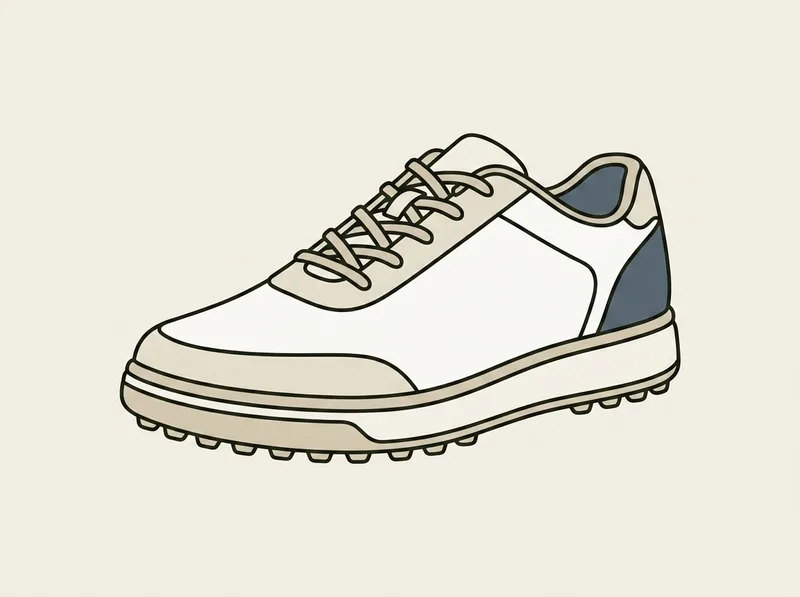 Around £85 to £160
FootJoy Pro/SLX
- Type
- Spikeless
- Waterproof warranty
- 2 years
- Traction
- PWR TRAX system, Race Track outsole
- Widths
- Medium and wide
- Upper
- ChromoSkin full grain leather by Pittards
- Footbed
- Moulded X25 OrthoLite PU
- A two year waterproof warranty, which is the longest anything here commits to in writing.
- Sold in more than one width fitting, which is rarer in golf shoes than it should be.
- A full grain leather upper that wipes clean and keeps its shape rather than creasing flat in a season.
- Only the ECCO carries a higher list price, and the gap over the Skechers is roughly double.
- Spikeless traction is fixed, so when the nubs round off the shoe is finished as a golf shoe.
- The last runs slightly narrow at the heel, which suits some feet and irritates others.
VerdictThe default answer for a golfer who wants one pair that covers every round for two or three seasons. The warranty length is the longest on this page and the width fittings are matched only by the adidas, and those two things are what the extra money is buying.
The weakness is inherent to spikeless. The traction is moulded into the outsole, so it cannot be renewed. When the nubs round off, and they do, the shoe still works as a shoe and stops working as a golf shoe. That is the trade you make for being able to walk into a pub afterwards without changing.
adidas Tour360 24 BOOST: for soft ground
The adidas Tour360 24 BOOST is the shoe on this page that still does the original job properly. Seven ThinTech cleats sit in a TPU outsole, the upper is waterproof leather wrapped in what adidas call 360Wrap, and the midsole combines BOOST and Lightstrike over a Torsion Bridge that resists the shoe twisting when the lower body turns hard.
On dry summer turf the difference between this and a good spikeless shoe is small. On a wet February fairway, on a downhill lie, into a slope, it is not small at all. If you have ever felt your back foot move during a swing you already know which category you are in.
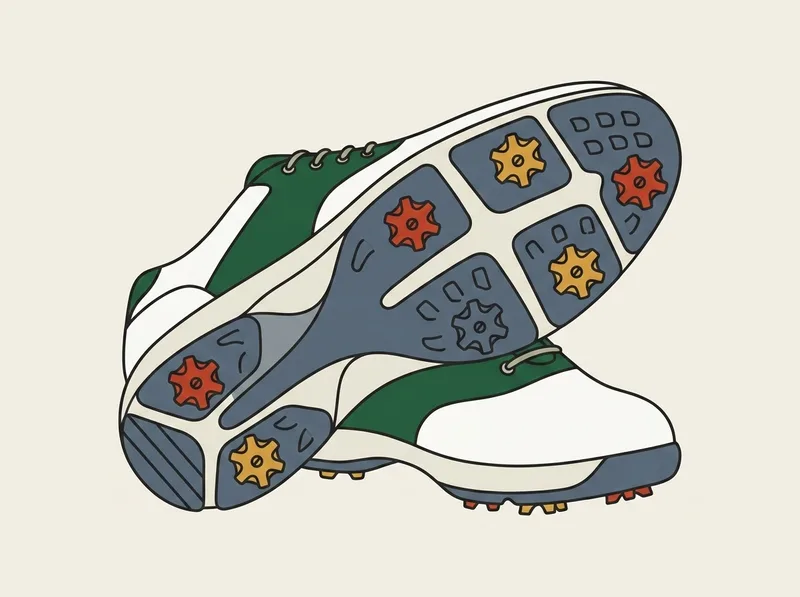 Around £130 to £160
adidas Tour360 24 BOOST
- Type
- Spiked, seven cleats
- Waterproof warranty
- 1 year
- Traction
- TPU outsole with ThinTech cleats
- Widths
- Regular and wide
- Upper
- Waterproof leather with 360Wrap
- Midsole
- BOOST and Lightstrike with a Torsion Bridge
- Replaceable cleats, so the traction can be renewed for a few pounds instead of replacing the shoe.
- The most secure footing here on wet ground, which is most of a British golf season.
- The Torsion Bridge does a real job of stopping the shoe twisting under a fast lower body.
- One year of waterproof warranty against FootJoy's two.
- Cleats click on car parks and clubhouse floors, and some clubs ask you to change outside.
- The wide fitting is sold as a separate shoe rather than as an option inside the standard listing, and it is the version UK retailers run out of first.
VerdictThe right buy if your course is heavy for half the year or you swing hard enough to slip in a spikeless shoe. The trade is a shorter warranty and the small ongoing chore of checking and replacing cleats a couple of times a season.
Cleats are also the only traction system on this page you can renew. A set of replacements costs a few pounds and takes ten minutes with the wrench that came in the box, which means the outsole outlives the traction rather than dying with it. Against that, adidas publish a one year waterproof warranty where FootJoy publish two.
ECCO BIOM H4: for a wet winter
ECCO are a tannery that also makes shoes, and it shows. The ECCO BIOM H4 uses their own leather over a GORE-TEX membrane, which is a meaningfully different thing from a coated or treated upper: the membrane is a laminated barrier rather than a finish that wears off. The outsole is ECCO's MTN GRIP, divided into three zones aimed at stability, durability and rotation.
The honest gap is the paperwork. ECCO describe the shoe as 100% waterproof through GORE-TEX, but what they publish as cover is a general one year limited footwear warranty rather than a waterproof term of a stated length the way FootJoy and adidas do. The membrane is very likely the best of the four. The written commitment behind it is the weakest of the three that have one.
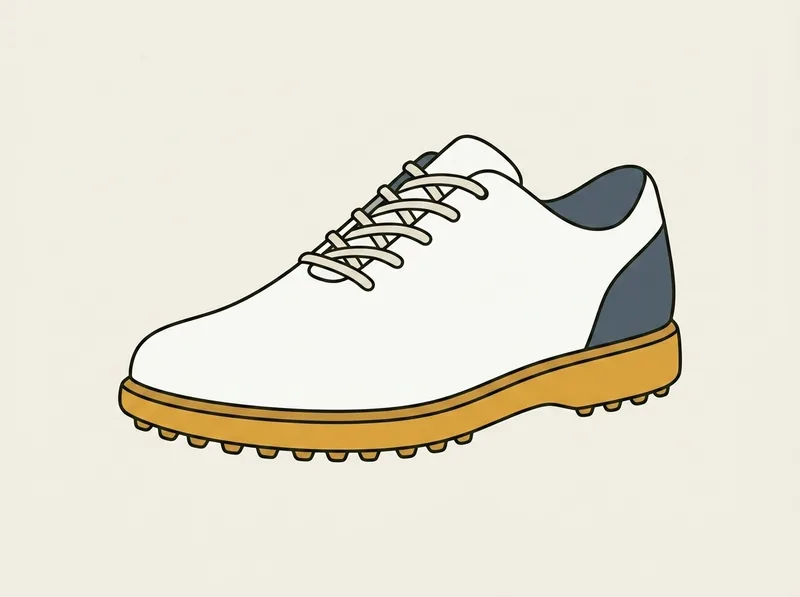 Around £120 to £180
ECCO BIOM H4
- Type
- Spikeless hybrid
- Waterproof warranty
- Not published as a separate term
- Traction
- MTN GRIP outsole, three zones
- Widths
- No width options published
- Upper
- ECCO leather with a GORE-TEX membrane
- Insole
- Removable OrthoLite inlay
- GORE-TEX rather than a coated upper, which is the difference between water resistant and waterproof.
- The leather is tanned by ECCO themselves and is the hardest wearing upper of the four.
- The outsole has separate zones for the heel, the ball of the foot and rotation, which is more thought than most spikeless soles get.
- ECCO publish a general one year limited footwear warranty rather than a waterproof term of a stated length.
- The highest list price of the four, and more than double the Skechers.
- One width only, and the BIOM last is a snug fit by design.
VerdictThe pick for anyone who plays through a British winter and wants the upper to be the last part to fail. The gap in the specification is the warranty wording, which is vaguer than it should be on a shoe at this price.
One practical caveat on buying it in Britain. The H4 is at the end of its run here, with ECCO's BIOM H5 now the current model, so UK stock is clearance stock: sizes go first and the price is well below list. That is a good time to buy a shoe and a bad time to assume your size will still be there next month.
Where this shoe earns its price is longevity of the upper. Synthetic uppers crease permanently, and a creased shoe is one that starts rubbing. Properly tanned leather creases too and then settles rather than collapsing, which is why an old FootJoy or ECCO still looks like a shoe and an old synthetic looks like a bin bag.
Skechers GO GOLF Pro 6 SL: the value pick
The Pro 6 SL is a waterproof synthetic upper over a spikeless outsole with TPU traction elements, ECO FLIGHT cushioning and a removable Arch Fit insole. That last part is the reason it is here. Arch Fit is the best stock footbed on this page by a clear margin, and stock footbeds are usually the first thing anyone with a real foot throws away.
What you give up is stated commitment. Skechers describe the upper as waterproof and publish no warranty term for it, which is not the same as saying it will fail, but it is the difference between a claim and a promise. On a shoe at this price that is a reasonable trade.
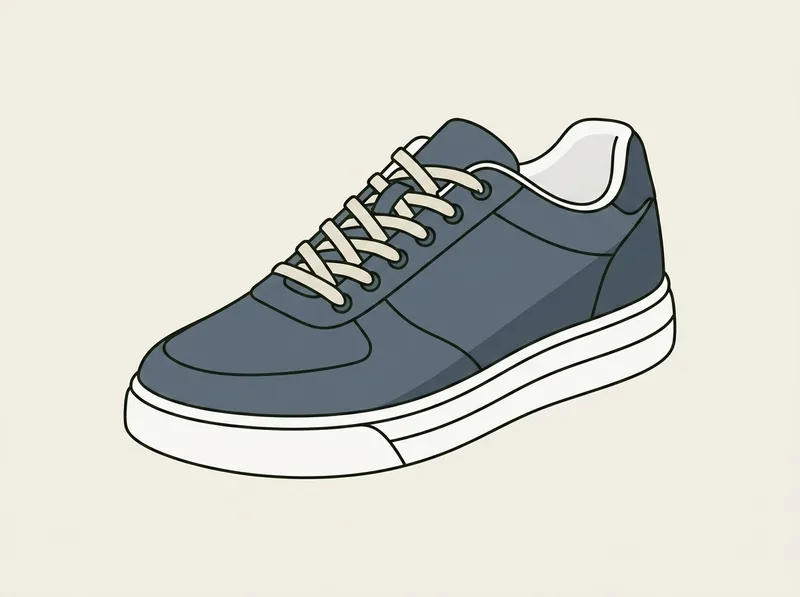 Around £55 to £80
Skechers GO GOLF Pro 6 SL
- Type
- Spikeless
- Waterproof warranty
- Not published
- Traction
- Spikeless TPU traction elements
- Widths
- No width options published
- Upper
- Waterproof synthetic
- Insole
- Removable Arch Fit
- Roughly half the price of everything else here and still a genuinely waterproof upper.
- The Arch Fit insole is the best stock footbed of the four and it lifts out if you use your own.
- Light enough that it never feels like a golf shoe, which is most of the appeal.
- Skechers publish no waterproof warranty period at all, so the claim has no stated term behind it.
- The synthetic upper creases and stays creased far sooner than leather.
- The traction is the mildest here and gives up first on a wet downhill lie.
VerdictThe sensible buy for anyone playing a dozen rounds a year, or for a first pair before you know whether you are staying. Nothing about it will cost you a shot, and the money saved covers a season of green fees.
Spiked or spikeless: the decision that actually matters
Everything else on a golf shoe is a preference. This one changes how the shoe behaves.
| Spiked | Spikeless | |
|---|---|---|
| Grip on wet or sloping ground | Better, and the gap widens as conditions worsen | Adequate until it suddenly is not |
| Traction when worn | Replaceable in minutes for a few pounds | Fixed, and the shoe is finished when it goes |
| Walking off the course | Noisy, and some clubs want them changed | Wear them anywhere |
| Weight | Usually heavier | Usually lighter |
| Feel underfoot | Slightly raised, takes a round to get used to | Flat, like a trainer |
The straightforward version: if you play through winter on a course with any slope to it, buy spiked. If you play mostly in summer, on flat parkland, and value being able to drive home without changing, buy spikeless. If you swing quickly enough that your feet move during the swing, buy spiked regardless of the season.
Foot pressure is doing real work in the swing rather than just holding you up. The Titleist Performance Institute's work on ground reaction forces shows how differently the ground gets loaded between a driver and a chip, which is the physical reason a shoe that slips costs you more than balance. Anything that lets the feet move is removing force before it reaches the club. Where that force gets built starts at address, which is why a stable golf stance and a shoe that holds it are the same subject.
Waterproof, and what the warranty is really telling you
Every golf shoe sold in Britain is described as waterproof. The word is doing very little work on its own, because there is no standard behind it and no test a brand has to pass to use it. The warranty is the part that means something, because it is the only place a manufacturer states in writing how long they expect the claim to hold.
Read it as a durability figure rather than a returns policy. A brand offering two years is telling you the membrane or the leather is built to survive two winters. A brand offering nothing has decided not to say.
None of this survives water coming in over the top of the shoe, which is worth saying because it is how most golfers actually get wet feet. Long grass after overnight rain soaks through the ankle opening and no membrane on earth stops that. That is a trouser and sock problem, and it belongs with the rest of wet weather kit.
Width, and why a lot of golfers are in the wrong shoe
Golf shoes are sold in one width almost everywhere, and feet are not one width. FootJoy is why that brand has the following it does among people with wide feet: the Pro/SLX comes in more than one fitting as a matter of course. adidas do sell the Tour360 24 BOOST in a wide, but as a separate product with its own stock, which in practice means it is the version that sells out. The ECCO and the Skechers come one way only.
A shoe that is too narrow does not just hurt. It pushes the foot up out of the footbed, which raises you slightly and reduces how much of the sole is actually in contact with the ground, which is the one thing you bought the shoe for. If your usual trainer size feels tight in a golf shoe, the answer is a wider fitting rather than a longer shoe. Going up half a size to buy width leaves the heel loose and the foot sliding forward on downhill lies.
Try shoes on late in the day and with golf socks. Feet swell over the course of a round, and a shoe fitted to a cold morning foot is a shoe that hurts by the twelfth.
How long a golf shoe actually lasts
Nobody publishes a figure and this page is not going to invent one. What is worth knowing is which part fails first, because that determines whether the shoe is worth keeping.
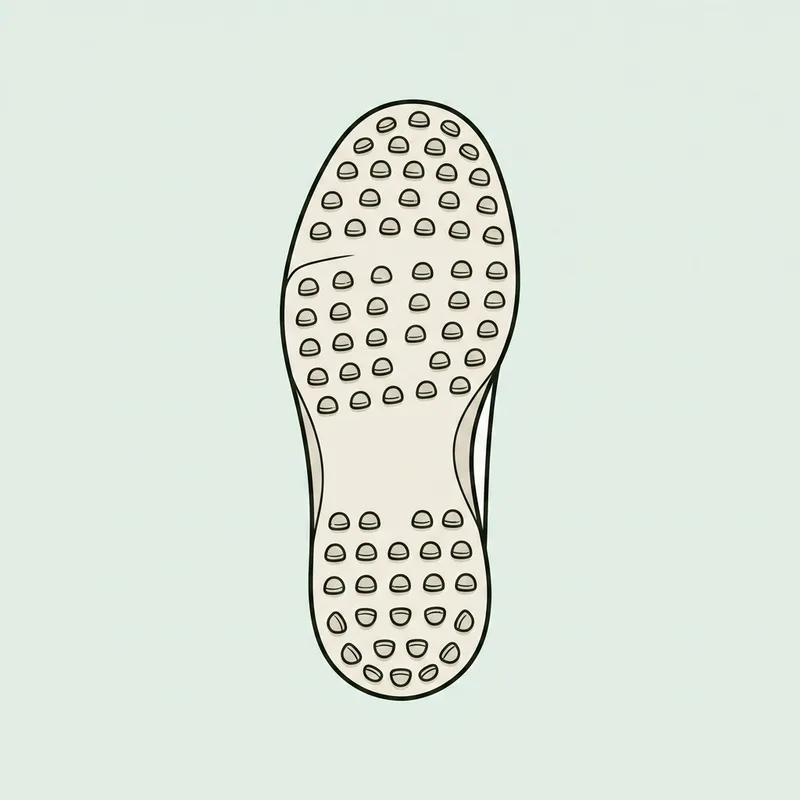
On a spikeless shoe the outsole goes first, and it goes quietly. The nubs round off rather than breaking, so there is no moment where the shoe fails, just a gradual slide into a shoe with no grip that you keep wearing because it still looks fine. Check the sole under the ball of the foot and the outside heel, which are the two places that wear fastest, and compare them with the untouched patch under the arch.
On a spiked shoe the cleats go first and are replaceable, so the upper decides the lifespan. On any shoe, walking on tarmac and clubhouse paths does more damage than the golf does.
Two habits extend all of it. Take the shoes out of the bag after a round rather than leaving them sealed in a wet boot bag, and dry them slowly away from a radiator, because direct heat is what cracks leather and unglues soles.
What to spend, and on what
A sensible spend on shoes sits between £55 and £180 and the top of that range is buying warranty length and width options rather than performance. Below about £45 the upper is unlikely to be genuinely waterproof whatever the box says.
| Budget | What it buys | Who it suits |
|---|---|---|
| £45 to £80 | A waterproof synthetic upper, spikeless, no stated warranty term | A dozen rounds a year, or a first pair |
| £85 to £140 | Leather or a membrane, better traction, a published warranty | Playing fortnightly, all seasons |
| £150 to £190 | Longer warranty, width fittings, an upper that outlasts the sole | Playing weekly and keeping shoes for years |
Shoes belong in the first-year budget rather than the wishlist, and they are one of the few pieces of kit where the cheap option genuinely works. What golf actually costs puts the number alongside green fees and balls, which are the larger lines. The rest of the outfit is a smaller decision than people expect, and what to wear golfing covers the dress codes that still exist.
Do you actually need golf shoes?
For the first few rounds, no. Trainers are legal almost everywhere and nothing in the Rules requires golf shoes. The Equipment Rules on shoes say only that shoes helping you obtain a firm stance may be worn, and that spikes are permitted subject to the conditions of competition. What they prohibit is a shoe with features designed to help you build a stance or aim, which no shoe you can buy has.
Individual clubs are a different matter. Metal spikes are banned by most courses for what they do to greens, and that is a local decision rather than a Rule. Everything sold as spiked today uses plastic cleats, so it is rarely an issue, but a set of old shoes from a garage might not be. Leaving spike marks and failing to repair them sits with the rest of golf course etiquette as a thing that costs you nothing to get right.
If you always walk and never take a buggy, the priorities shift far enough that it is a separate decision, and shoes built for walking covers the cushioning, weight and flex that come first when the round is a five mile walk with a bag on your back. And since shoes and glove are the only two points where you actually connect to the equipment, a glove that fits properly is the cheaper half of the same problem.
Rain is the other variable worth planning for rather than reacting to. Wet grips and wet feet ruin more rounds than wet weather itself does, and playing golf in the rain is mostly a kit and preparation problem rather than a technique one.
Key takeaways
- The FootJoy Pro/SLX is the default pick: a two year waterproof warranty, more than one width fitting, and a leather upper that keeps its shape.
- Buy spiked, and the adidas Tour360 24 BOOST, if you play through winter or your feet move during the swing. Cleats are also the only traction you can renew.
- The ECCO BIOM H4 has the best waterproofing here through a GORE-TEX membrane and the vaguest published warranty wording of the three that publish anything.
- The Skechers GO GOLF Pro 6 SL costs roughly half of everything else and gives up a stated warranty term rather than performance.
- Waterproof means nothing on its own. The published warranty length is the only durability claim a shoe brand puts in writing.
- Width is the specification most golfers get wrong, and going up half a size to find room is the wrong fix.
- Spikeless outsoles wear out quietly. Check under the ball of the foot and the outside heel against the untouched patch under the arch.
Common questions
What are the best golf shoes to buy?
For most golfers the FootJoy Pro/SLX, on the strength of a two year waterproof warranty and a choice of width fittings. If your course is heavy in winter, the spiked adidas Tour360 24 BOOST grips better for similar money. If the budget is tight, the Skechers GO GOLF Pro 6 SL does the job for around half the money.
Are spiked or spikeless golf shoes better?
Spiked shoes grip better on wet and sloping ground and their cleats can be replaced when they wear. Spikeless shoes are lighter, quieter and can be worn off the course. If you play through a wet winter, buy spiked. If you play mostly in summer on flat ground, spikeless is enough.
How long do golf shoes last?
No manufacturer publishes a figure. What is predictable is the order of failure: on spikeless shoes the outsole traction goes first, on spiked shoes the cleats go first and are replaceable, so the upper decides the lifespan. Walking on tarmac wears a golf sole faster than the golf does.
Do I really need waterproof golf shoes?
In Britain, yes, unless you only play in settled summer weather. Wet feet get cold, cold feet get tense, and tense is not a swing thought. The distinction that matters is between a laminated membrane, which is a barrier, and a treatment, which is a finish that wears off at the toe flex point.
What does a waterproof warranty on golf shoes actually cover?
It is the manufacturer stating in writing how long they expect the shoe to keep water out in normal use. Read it as a durability figure rather than a returns process. Two of the four shoes on this page publish no term at all, which is a real difference between them.
Can I wear trainers to play golf?
Almost always, yes. Nothing in the Rules requires golf shoes and most clubs allow trainers on the course. What you lose is grip, which shows up on wet ground and downhill lies rather than on a dry driving range. Check the club's dress code before a first visit.
Are metal spikes still allowed?
Very few courses in Britain permit them, because of the damage they do to greens. This is a club decision rather than a Rule of Golf. Everything currently sold as a spiked golf shoe uses plastic cleats, so it only becomes a question with older shoes found in a garage.
What size golf shoe should I buy?
Your normal shoe size, then fix width with a width fitting rather than by going up half a size. A longer shoe leaves the heel loose and the foot sliding forward on downhill lies. Try them on late in the day, wearing the socks you play in, because feet swell over a round.
Are expensive golf shoes worth it?
Up to about £140 you are buying waterproofing, traction and a longer warranty, which are all real. Beyond that you are mostly buying width options, leather quality and warranty length. A well-fitted cheap shoe beats an ill-fitting expensive one every time.
How do I stop golf shoes from smelling and cracking?
Take them out of the bag after every round rather than leaving them sealed in a wet boot bag, and dry them slowly at room temperature. Direct heat from a radiator is what cracks leather and unglues soles. Removable insoles come out to dry separately, which is most of the smell dealt with.
Do golf shoes actually improve your game?
Indirectly. They do not add distance, but a foot that slides during the swing loses force before it reaches the club and makes contact less repeatable. On dry flat ground the difference against trainers is small. On wet ground, on slopes, and in the fifteenth hole of a five mile walk, it is not.
How we put this together
- Published manufacturer specifications for each shoe, taken from the maker's own listing rather than a retailer's summary.
- The waterproof warranty each brand actually publishes, and how long it runs, because that is the only durability claim a shoe manufacturer commits to in writing.
- Which models are sold in more than one width fitting, since a shoe that only comes one way fits fewer feet than the size chart suggests.
- The Equipment Rules position on shoes and spikes, which decides what a club can and cannot ban from its course.
- The R&A's published Golf and Health figures for how far a golfer walks in a round, because that is the load the shoe is actually being bought to carry.
On this page
- The four, compared
- FootJoy Pro/SLX: the one to buy if you only buy one
- adidas Tour360 24 BOOST: for soft ground
- ECCO BIOM H4: for a wet winter
- Skechers GO GOLF Pro 6 SL: the value pick
- Spiked or spikeless: the decision that actually matters
- Waterproof, and what the warranty is really telling you
- Width, and why a lot of golfers are in the wrong shoe
- How long a golf shoe actually lasts
- What to spend, and on what
- Do you actually need golf shoes?
- How we put this together

Tom Ashworth
Tom Ashworth is a PGA Professional who has taught golf since 2012, working mainly with beginners and mid-handicappers at club level in Surrey. He reviews the instruction guides on Learn Golf for technical accuracy before they publish.
Most of his teaching is with players in their first three years of the game, and most arrive having been told too much: six swing thoughts collected from videos, half of them contradicting each other. His approach is to check the grip and the alignment before touching the swing, on the basis that most bad ball flight is decided at address.