Best Golf Simulator Enclosures: Four Kits Compared
The enclosure is the part of a simulator build that turns a screen and a mat into a room you can actually swing in. Here are four kits worth buying, what a frame has to get right, and when a plain net does the job just as well.
Some links here earn us a commission at no extra cost to you. It never changes what we recommend or the order we rank it. How this works.
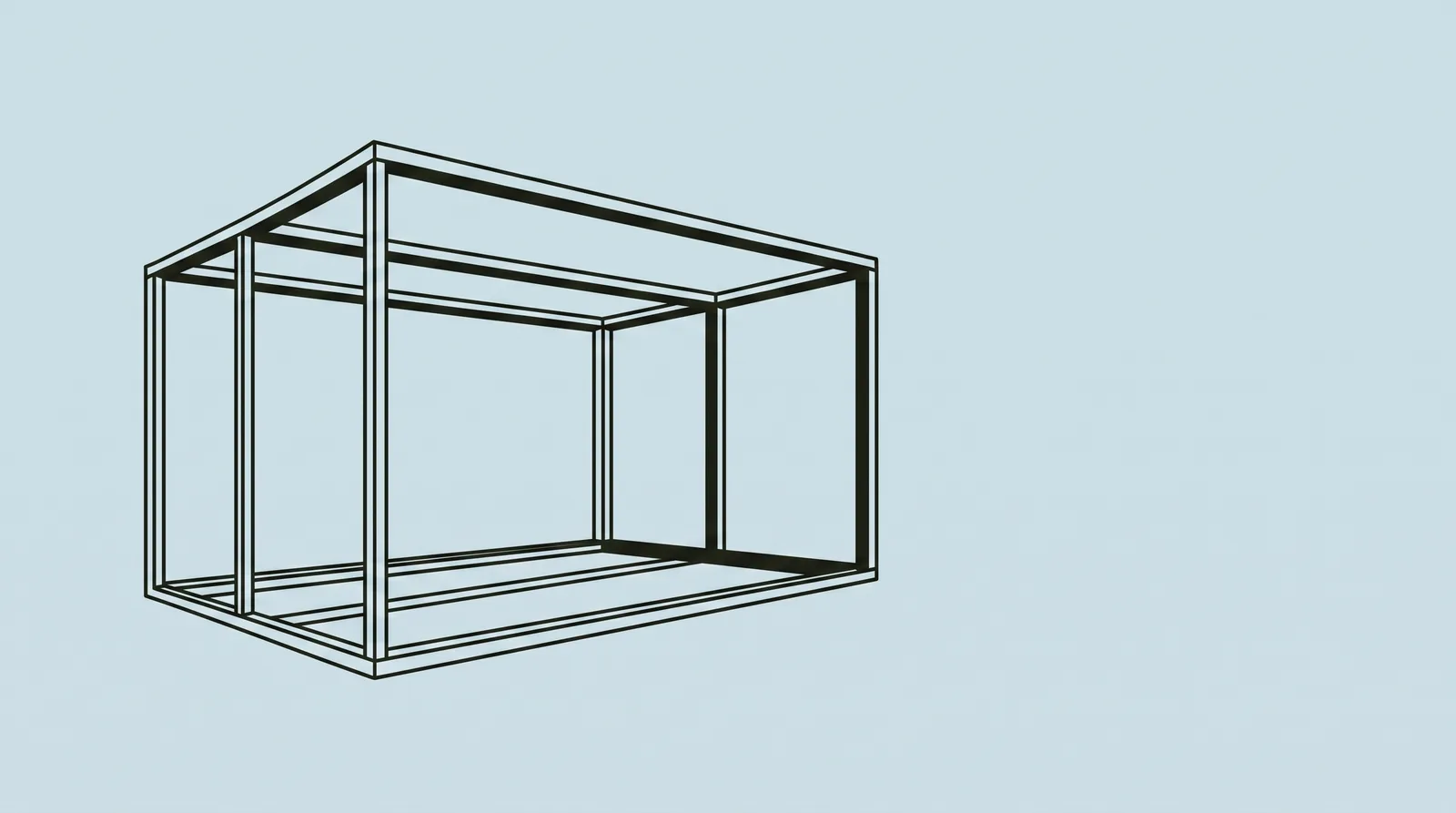
An enclosure is the part of a simulator build most people underplan. The sensor gets the research, the screen gets a passing thought, and the frame that holds it all together and stops a mishit from going through the garage wall gets whatever is cheapest at the last minute. That is backwards, because the enclosure decides the room's size, its safety and how good the projected image looks before a single shot is hit.
How these compare
GolfBays specs the frame and screen together as a matched pair. The four kits below combine a frame, netting or fabric panels, and in three cases a screen, into one structure that a golfer swings inside, and the differences that matter between them are whether the screen is included, whether the size can be adjusted to the room, how long assembly actually takes once the box arrives, and whether the thing is held in the UK at all.
| Pick | Best for | Frame | Screen included | Sizes | Assembly | Price |
|---|---|---|---|---|---|---|
| GolfBays | Speccing the frame and screen together instead of guessing whether they match | Own EasySim, SimBox and Lux enclosures, sized for home and commercial bays | Frame and screen specified together as a matched pair | Seven SimBox sizes, and anything up to a full commercial install | Varies by kit, specified to fit the room before it ships | £999 for the EasySim, £1,161 for the SimBox, £2,950 for the Lux |
| SimSpace Golf Simulator Enclosure | A UK-stocked kit with the screen already matched to the frame | Push-connect metal poles with velour side and top panels | Yes, a three-layer Platinum impact screen, with an UltraMAX step-up on most sizes | Seven, from a shallow 3.3 by 2.5 by 1 metre up to 4 by 3 by 3 metres | Push-connect poles, 20 to 30 minutes with two people, no tools | £999.99 for the smallest of seven sizes, up to £1,699.99 for the largest |
| Golf Swing Systems Home Enclosure | Sizing the frame to a room that is not a clean rectangle | Galvanised steel poles and clamps | Yes, in a choice of HD or archery screen material | Five stock sizes, and made to any dimension to order | Around 30 minutes with two people and a ladder | £1,499 for the smallest stock size, up to £2,295 for the deepest, with bespoke sizes to order |
| The Net Return Simulator Series | A net and screen in one bay | Steel frame built around The Net Return's ball-return net | No. The Flex simulator screen is a separate add-on to the net | Home Series and the larger Pro Series, a small number of fixed sizes | Bolt-together frame, moderate build time | Around £700 for the Home Series with its simulator screen, up to about £1,250 for the Pro Series bay |
| GoSports Golf Simulator Enclosure | A complete frame and screen kit, if you are willing to import one | Steel poles with foam padding at the joints | Yes, HD impact screen included in the kit | Three are made, but only the 14 by 8 foot version reaches the UK | Pole frame, 30 minutes or less by the maker's own estimate | Around £1,150 for the one size that reaches the UK, nearer £1,430 once the import charge is added |
GolfBays: the enclosure and screen sized together
Matching a frame to a screen from separate manufacturers is the most common way a first build goes wrong, because a screen sized for one enclosure rarely fits another cleanly.
 £999 for the EasySim, £1,161 for the SimBox, £2,950 for the Lux
GolfBays
- Frame
- Own EasySim, SimBox and Lux enclosures, sized for home and commercial bays
- Screen included
- Frame and screen specified together as a matched pair
- Sizes
- Seven SimBox sizes, and anything up to a full commercial install
- Retractable
- Vanish series £3,359 to £4,319, for a room with another job to do
- Assembly
- Varies by kit, specified to fit the room before it ships
- Frame and screen sized together by the retailer, which removes the most common way a first build goes wrong.
- Covers home and commercial installs, so the same retailer scales from a garage to a fitting studio.
- Range runs from £149 accessories through a £999 EasySim to a full commercial installation.
- A retailer, not a single manufactured kit, so there is no one fixed spec sheet to compare like-for-like against the four below.
- Costs a little more than sourcing a frame and screen separately at the lowest price each can be found for.
- Warranty and support for each component still runs through the original manufacturer, not GolfBays itself.
VerdictThe pick for anyone who would rather have a specialist confirm the frame and screen fit before ordering than measure both separately and hope. The four kits below are for builders who want to choose and size the frame themselves.
Visit GolfBaysFor the enclosure itself, a specialist retailer like GolfBays carries enclosure and screen combinations sized for both home and commercial bays, and can spec the frame and the screen together rather than leaving you to match them yourself.
SimSpace: the easiest complete kit to actually buy here
SimSpace sells seven sizes of enclosure, each with a three-layer impact screen already in the box and each held in a UK warehouse rather than shipped in from abroad. The frame is push-connect metal poles with velour side and top panels, and the maker puts a two-person build at 20 to 30 minutes with no tools involved.
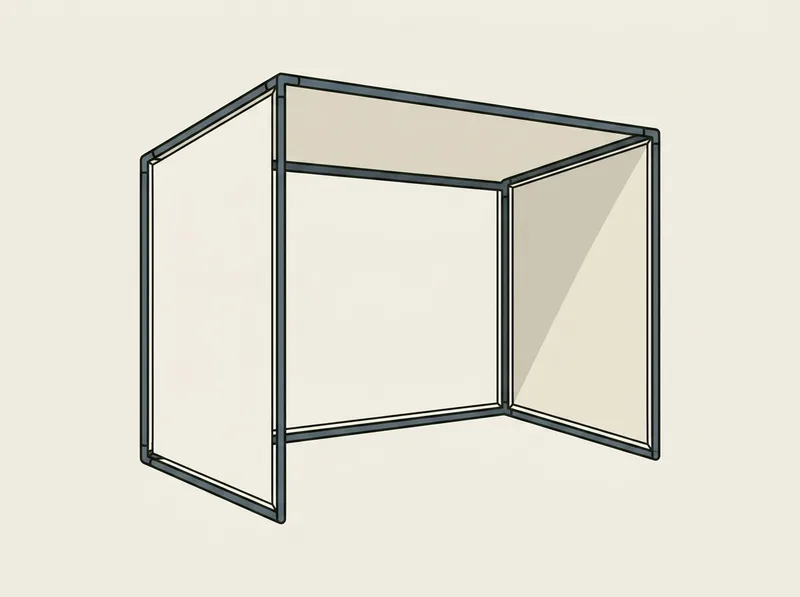 £999.99 for the smallest of seven sizes, up to £1,699.99 for the largest
SimSpace Golf Simulator Enclosure
- Frame
- Push-connect metal poles with velour side and top panels
- Screen included
- Yes, a three-layer Platinum impact screen, with an UltraMAX step-up on most sizes
- Sizes
- Seven, from a shallow 3.3 by 2.5 by 1 metre up to 4 by 3 by 3 metres
- Assembly
- Push-connect poles, 20 to 30 minutes with two people, no tools
- Held in a UK warehouse and priced in pounds, so there is no import charge to absorb and no customs wait.
- A shallow one metre deep version sits in the range, which suits a room with no depth to give up.
- The screen tier is chosen alongside the frame, so a harder hitter can step up to the UltraMAX material without changing brand.
- Seven fixed sizes rather than made to measure, so a genuinely awkward room may still need a bespoke frame.
- Push-connect poles go up fast but are less rigid than a bolted steel structure over years of heavy use.
- Sold through several UK retailers at slightly different prices, so it pays to check more than one listing before ordering.
VerdictThe most straightforward complete kit here for a UK buyer. The frame and the screen arrive matched, the price is in pounds, and it goes up in half an hour without tools. Choose the size that leaves real clearance around a full swing rather than the one that merely fits the screen.
See SimSpace enclosuresThe size range is the useful part. Alongside the conventional shapes there is a shallow version only a metre deep, which suits a room that has width and height but nothing to spare behind the golfer, and the larger sizes run to a full three metre cube. The screen is chosen with the frame too, so a harder hitter can step up from the standard three-layer material without going to a different brand for it. What you do not get is a made-to-measure frame, so a room with a pillar or a sloped ceiling is still better served further down this page.
Golf Swing Systems: a frame built to the room's actual dimensions
Very few garages are a clean rectangle with a generous ceiling. Golf Swing Systems, a UK manufacturer that has been building these frames for around two decades, sells five stock sizes and will make the same enclosure to any dimension specified at the point of order, with the screen included in a choice of HD or archery material.
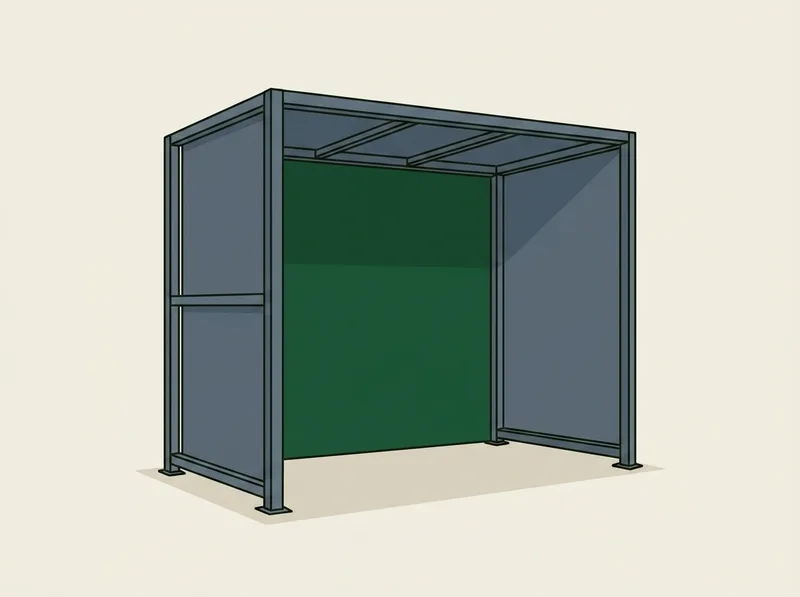 £1,499 for the smallest stock size, up to £2,295 for the deepest, with bespoke sizes to order
Golf Swing Systems Home Enclosure
- Frame
- Galvanised steel poles and clamps
- Screen included
- Yes, in a choice of HD or archery screen material
- Sizes
- Five stock sizes, and made to any dimension to order
- Assembly
- Around 30 minutes with two people and a ladder
- Made to any size to order, so a low ceiling, a narrow garage or a room with a pillar can be built around rather than worked around.
- Manufactured in the UK and sold in pounds, with no import charge and no customs step between order and delivery.
- The screen ships with the frame in a material chosen at the point of order, so the two are sized for each other by the people who built them.
- A four to six week manufacturing lead time, far longer than a stock kit sitting in a warehouse.
- Costs more than a comparable stock kit, and the gap widens at the larger sizes.
- A made-to-order frame is harder to resell or repurpose if the room later changes.
VerdictThe pick for a room a stock kit cannot serve properly, because a frame built to the actual dimensions is the only real answer to an awkward space. Order it early: the lead time, not the build time, is what decides when the bay is playable.
The frame is galvanised steel poles and clamps, and the build is roughly half an hour with two people and a ladder, so the assembly itself is not the obstacle. The lead time is: a made-to-order frame takes four to six weeks to manufacture, which is the difference between ordering in September for a winter of indoor golf and ordering in December and missing it. For a room with an awkward pillar or a sloped section of ceiling, that wait is what buys a bay that actually fits.
The Net Return Simulator Series: a net and screen in one bay
The Net Return built its name on ball-return practice nets, and the simulator setup adds a flex screen across the same netting rather than replacing it. Take the screen off and the same structure goes back to being a standalone practice net, which is a genuinely different proposition from a pure enclosure. UK retailers stock both the Home Series and the larger Pro Series along with the matching flex screens, so the whole thing is bought in pounds without an import step.
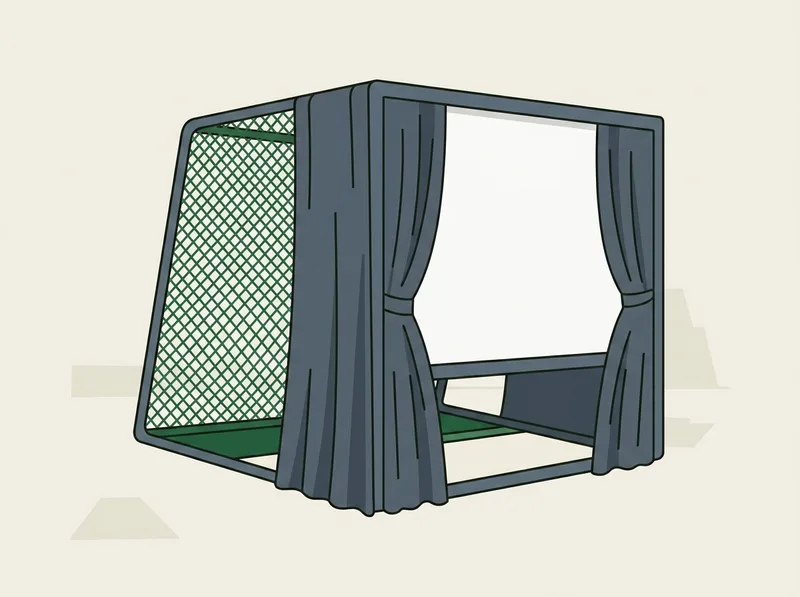 Around £700 for the Home Series with its simulator screen, up to about £1,250 for the Pro Series bay
The Net Return Simulator Series
- Frame
- Steel frame built around The Net Return's ball-return net
- Screen included
- No. The Flex simulator screen is a separate add-on to the net
- Sizes
- Home Series and the larger Pro Series, a small number of fixed sizes
- Assembly
- Bolt-together frame, moderate build time
- Doubles as a standalone practice net once the screen comes off, which no pure enclosure does.
- Stocked and shipped by UK retailers in pounds, so it arrives without an import charge or a customs delay.
- Built on a company with a long track record specifically in ball-return netting, so the netting itself is proven.
- The screen is an add-on rather than included, and side barriers are a third purchase again, so the advertised net price is not the finished price.
- Fewer size options than a made-to-measure frame, and no shallow-depth version for a tight room.
- The ball-return function is wasted once the setup is committed to permanent screen use.
VerdictThe cheapest honest way onto this page once the net and its screen are added up, and the only one that turns back into a practice net when the projector is off. The catch is that it reaches that price by leaving the side barriers off, and a bay without them contains a mishit far less well than a full enclosure does.
The screen is an add-on to the net rather than included with it, and the side barriers that stop a shank leaving the bay are a third purchase again, so the advertised net price is a long way from the finished price. The right buyer is someone whose garage needs to do double duty: a chipping and putting net most evenings, a full simulator on the weekend it matters.
GoSports: a complete frame and screen kit, imported
The GoSports Golf Simulator Enclosure is a pole-frame enclosure with an HD impact screen included in the box, made in three fixed sizes from a 4:3 shape up to a wider 16:9 layout. Frame, screen and side coverage arrive as one purchase, and the maker puts assembly at half an hour.
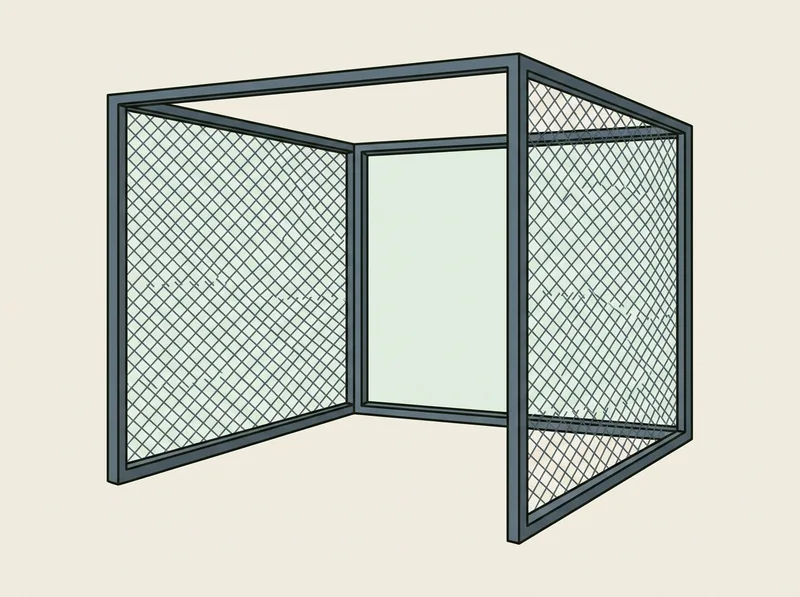 Around £1,150 for the one size that reaches the UK, nearer £1,430 once the import charge is added
GoSports Golf Simulator Enclosure
- Frame
- Steel poles with foam padding at the joints
- Screen included
- Yes, HD impact screen included in the kit
- Sizes
- Three are made, but only the 14 by 8 foot version reaches the UK
- Assembly
- Pole frame, 30 minutes or less by the maker's own estimate
- Frame and screen sold as one kit, so there is no separate screen purchase to plan for.
- Foam padding runs along the inside of the frame, which takes the sting out of a shot that finds a pole.
- The size that does reach the UK is the widest one, at a 16:9 shape that suits a projected course image.
- No UK stockist. It reaches the UK as a US import through Amazon, with the import charge folded into the price and a longer wait than UK stock.
- Only the largest of its three sizes is available here, so a smaller or shallower room cannot be catered for at all.
- The included screen sits at the budget end of the material tiers covered on our impact screens page.
VerdictWorth considering only if the room suits a 14 foot wide bay and an import does not put you off, because that is the single configuration reachable from the UK. It arrives as one box with the screen already in it, which is the real appeal, but a UK-stocked kit gets to you sooner and gives you a choice of size.
It ranks last here because of the route rather than the product. GoSports has no UK stockist for the full enclosure kit. It reaches this country as a US import through Amazon, with the import charge folded into the shown price and a longer wait than something sitting in a UK warehouse, and only the largest of the three sizes makes the trip at all. So the choice of size that reads as an advantage on the maker's own site is not a choice available here, and by the time the enclosure lands it costs more than a UK-stocked kit of similar size. The other trade is screen quality, since the included screen sits toward the budget end of the material tiers covered on our impact screens page.
What a good enclosure actually has to get right
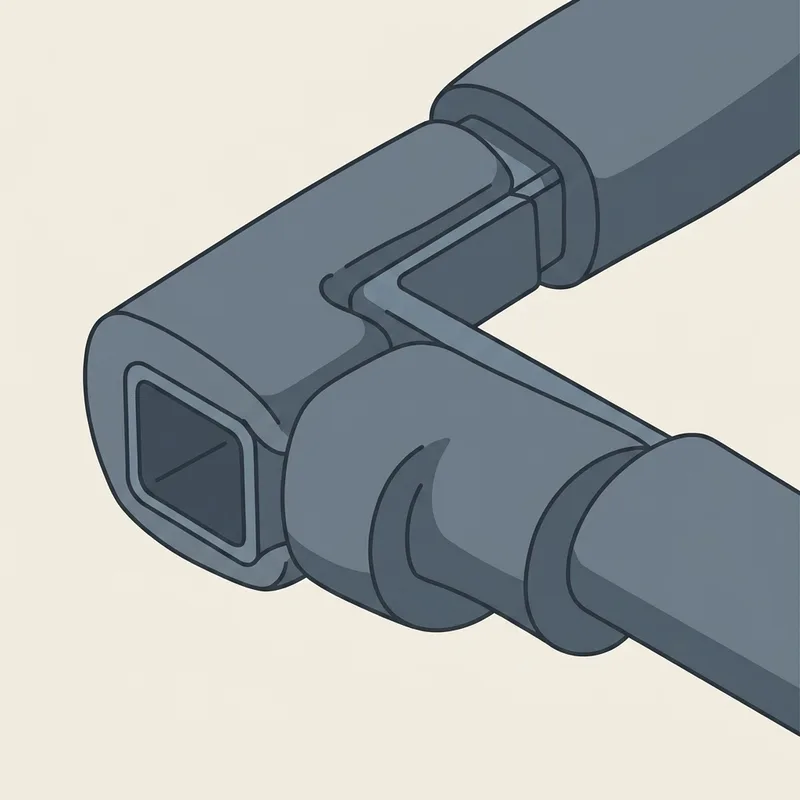
Three things separate a good enclosure from a frame that looks similar in a photograph. Padded joints stop a mishit ricocheting off bare metal at speed, which matters more than it sounds once a shanked iron finds a corner post. Side coverage, not just a front screen, catches the shots that miss left or right rather than letting them escape the swing area. And enough depth behind the golfer means a full driver swing never comes close to the frame itself.
Where the projector goes
Ceiling height decides where a projector can mount as much as it decides where a golfer can swing. A short-throw projector generally needs less depth from the screen than a standard-throw model, but it still needs enough distance to fill the screen evenly without hot spots at the centre, and mounting it too close to the swing path risks an expensive accident on a full backswing. Most enclosure kits publish a recommended mounting position for their own frame, and following that is a safer starting point than guessing at a bracket position that looks about right in a photo of someone else's build.
Noise, and what an enclosure does not solve
A ball striking a screen at real swing speed is genuinely loud, and the enclosure itself does very little to change that, since its job is containment rather than sound absorption. If the room shares a wall with a bedroom, a home office or a neighbour, the practical fix is acoustic rather than structural: dense foam or rubber matting across the floor and the lower half of the walls around the frame absorbs far more impact noise than any enclosure fabric does. It is worth solving before the frame goes up rather than after the first evening session gets a knock through the wall.
Buying a used enclosure
A used steel or PVC frame is usually a reasonable buy, because the structure itself does not wear the way the fabric does. What actually needs checking is the screen's condition, since a worn or sagging screen is doing the real impact work, and a listing with a frame in good shape but years of visible wear on the screen is really a frame purchase with a screen that needs replacing on top. Price it as that rather than as a full-kit saving.
Enclosure or plain net: when the simpler option is enough
An enclosure is not mandatory. A plain net behind a hitting mat gives real ball data from a sensor with none of the screen, the frame or the assembly, and it is a sensible way to start before committing to a full room. Best golf nets covers that simpler setup, and it suits anyone who wants the practice value of a simulator without the projected image or the enclosed room.
The case for the full enclosure is the experience rather than the data. A screen and a frame that blocks ambient light turn practice into something closer to actually playing a course, and that is what changes a simulator from a training tool into something a family plays together on a wet weekend. Setting up a home simulator walks through the room planning for either option.
Matching these to a buyer
GolfBays suits anyone who would rather have a specialist confirm the frame and screen fit together than measure and match them alone. SimSpace suits most UK home builds, because it arrives from a UK warehouse with the screen already matched to the frame and goes up in half an hour. Golf Swing Systems suits anyone whose room is not a clean rectangle, because a frame made to the actual dimensions does the work a stock size cannot. The Net Return suits a shared space that sometimes needs to be a plain practice net rather than a full bay. GoSports suits a buyer with room for a 14 foot wide bay who is content to wait on an import, since that is the only configuration that reaches the UK.
Whichever kit you choose, it only works alongside the sensor that reads the shot. Best golf simulators covers the sensor side of the same build, and best launch monitors covers the same hardware for anyone who wants the data without the enclosed room at all.
Key takeaways
- GolfBays is the strongest starting point for getting the frame and screen sized together, rather than matching two purchases yourself.
- The SimSpace Golf Simulator Enclosure is the strongest stock-kit pick for a UK buyer, shipping from a UK warehouse with a three-layer screen already matched to the frame.
- The Golf Swing Systems Home Enclosure is made to any dimension specified, which is the real answer to a room with a pillar or a sloped ceiling, at a four to six week lead time.
- The Net Return is the cheapest way onto this page once the net and its flex screen are added together, and the only one that reverts to a practice net.
- GoSports ranks last because it has no UK stockist. It arrives as a US import through Amazon, in the largest size only, which removes most of the price advantage its US listings suggest.
- Padded joints, full side coverage and real clearance behind the golfer separate a good enclosure from one that only looks similar.
- A plain net behind a mat is a legitimate, simpler alternative that skips the screen and frame entirely.
- Buy the screen and the enclosure together, from the same source, to avoid a frame and screen that were never sized for each other.
Common questions
Do you need an enclosure for a golf simulator, or is a net enough?
A net is enough for practice with real ball data and no projected image. An enclosure adds a screen to hit into and side and top coverage that contains the swing and blocks ambient light, which is what gives the sense of actually playing a course rather than just measuring a shot.
How much does a golf simulator enclosure cost?
In the UK, a complete kit with frame and screen included runs from around £1,000 for a stock pole-frame set up to roughly £2,300 for a made-to-measure steel build, and beyond £3,000 for a retractable installation. Kits that sell the screen separately add a couple of hundred pounds more once a proper impact screen is chosen.
What size enclosure does a golf simulator need?
Most home builds work with roughly 10 to 15 feet of width and 15 to 20 feet of depth, matching the general room guidance covered elsewhere on this site. The frame should be sized to a full driver swing with real clearance, not to the screen alone.
Is a DIY golf simulator enclosure easy to build?
Yes, and it is one of the more common ways into the category. Most kits ship as poles, clamps and fabric panelling with numbered instructions, and a push-connect frame like SimSpace's is a 20 to 30 minute job for two people with no tools. A galvanised steel frame such as the Golf Swing Systems enclosure takes around half an hour to build with two people and a ladder, so the assembly is rarely the hard part. Tensioning the screen correctly is.
Does the enclosure frame material matter?
It changes rigidity and how the structure handles years of use. Steel frames hold their shape better under repeated impact than PVC or pole-and-sleeve designs, which is part of why steel kits cost more. For light or occasional use, a PVC frame is a reasonable trade for the price.
Do enclosure kits come with a screen included?
Some do and some do not, and it is the single biggest price variable between kits that otherwise look similar. GoSports, SimSpace and the Golf Swing Systems enclosure all include a screen. The Net Return sells its flex screen as a separate add-on to the net, so its headline price is not the finished one.
How much clearance does a full swing need around the enclosure?
Enough that a driver swung at full speed comes nowhere near a side pole or the frame's top rail. As a rough check, stand where you would hit from and swing slowly through to a full finish before ordering, because the arc is wider than most people picture from a photograph of the finished bay.
Can an enclosure be used outdoors?
Some frames can be rated for outdoor or garage use where they are exposed to more temperature swing and moisture, but most home enclosures are designed for an indoor, weather-protected space. Check the specific kit's rating before planning an outdoor or unheated garage build.
Is a custom-sized enclosure worth the extra cost over a fixed size?
For a room that is not a clean rectangle, yes, because a fixed-size frame that does not quite fit either wastes space or forces an uncomfortably tight swing. For a genuinely rectangular garage or basement close to a stock size, the fixed options save money for no real downside.
How long does it take to assemble a golf simulator enclosure?
Most of the kits here quote 20 to 40 minutes with two people, and push-connect and clamp-based frames genuinely do go up that fast. What takes longer is tensioning the screen evenly, which is worth doing slowly, because a screen hung slack absorbs impact unevenly and bounces the ball back harder.
How we put this together
- Published manufacturer specifications for each kit, taken from the maker's own product pages rather than a retailer's summary.
- Whether the frame ships with an impact screen included or as a separate purchase, because that single line item changes the real price by hundreds of pounds.
- UK availability and UK pricing, read from UK storefronts rather than converted from a US figure, because a kit with no UK stockist arrives as an import with a longer wait and a charge on top.
- Available sizes and whether a kit can be sized to an irregular room or only sold in fixed dimensions.
- Assembly method and time, since a frame that needs specialist tools is a different purchase from one built with click connectors.
On this page
- How these compare
- GolfBays: the enclosure and screen sized together
- SimSpace: the easiest complete kit to actually buy here
- Golf Swing Systems: a frame built to the room's actual dimensions
- The Net Return Simulator Series: a net and screen in one bay
- GoSports: a complete frame and screen kit, imported
- What a good enclosure actually has to get right
- Where the projector goes
- Noise, and what an enclosure does not solve
- Buying a used enclosure
- Enclosure or plain net: when the simpler option is enough
- Matching these to a buyer
- How we put this together

Tom Ashworth
Tom Ashworth is a PGA Professional who has taught golf since 2012, working mainly with beginners and mid-handicappers at club level in Surrey. He reviews the instruction guides on Learn Golf for technical accuracy before they publish.
Most of his teaching is with players in their first three years of the game, and most arrive having been told too much: six swing thoughts collected from videos, half of them contradicting each other. His approach is to check the grip and the alignment before touching the swing, on the basis that most bad ball flight is decided at address.