Best Golf Hats: Sun, Sweatband, Fit, Then Styling
Three things about a golf hat change anything: how much sun it stops, whether the sweatband works, and whether it fits. One brand on this page publishes a number for the first of those. The rest is styling, and there is nothing wrong with that.
Some links here earn us a commission at no extra cost to you. It never changes what we recommend or the order we rank it. How this works.
Golf hats are mostly a styling decision and it is worth saying that plainly. Three things about one can actually change your afternoon: how much sun it stops, whether the sweatband copes, and whether it fits. Only one hat on this page publishes a number for the first, and once you know which three variables matter the rest of the choice is what you like the look of.
The three variables, and then styling
Sun. A cap peak shades your face and nothing else. A wide brim shades your ears, the back of your neck and the tops of your ears, which is where sun damage on golfers actually concentrates. That is a real difference and it is the only one of the three that has a number attached, when anyone bothers to publish it.
Sweatband. A hat that soaks through and starts dripping is a hat you take off, and once it is off it is doing nothing. A moisture-wicking band moves sweat outward to evaporate rather than holding it against your forehead. It is cheap to include and most makers do include it, which is why this variable separates a good hat from a bad one rather than a good hat from a great one.
Fit. Almost every golf cap is sold as one size with a strap. Heads are not one size, and a strap tightened enough to survive wind leaves a mark and gives you a headache by the closing holes. Actual sizing is rare and it is the single biggest comfort difference in the category.
| Pick | Best for | Type | UPF published | Sweatband | Sizing | Price |
|---|---|---|---|---|---|---|
| Callaway Sun Hat | The only one that publishes a UPF number | Wide brim sun hat | 50+ | Performance moisture-wicking | One size with an adjustable toggle | Around £40 |
| melin A-Game Hydro | A cap that actually comes in sizes | Structured cap, snapback | None on the product listing | Moisture-wicking lining | Three sizes, small, classic and XL | Around £60 at melin's own UK store |
| Titleist Players StaDry Cap | The one that works in the rain | Waterproof cap | None published | Not published | One size fits most | Around £18 to £27 |
| PUMA Interstate Golf Cap | Sensible everyday cap money | Lightweight tech cap, snapback | None published | Moisture-wicking | One size, snapback closure | Around £30 to £35 |
Everything after those three is shape, colour, crown height, peak curve and logo, and those are legitimate reasons to buy a hat. They are just not performance.
Callaway Sun Hat: the only published number
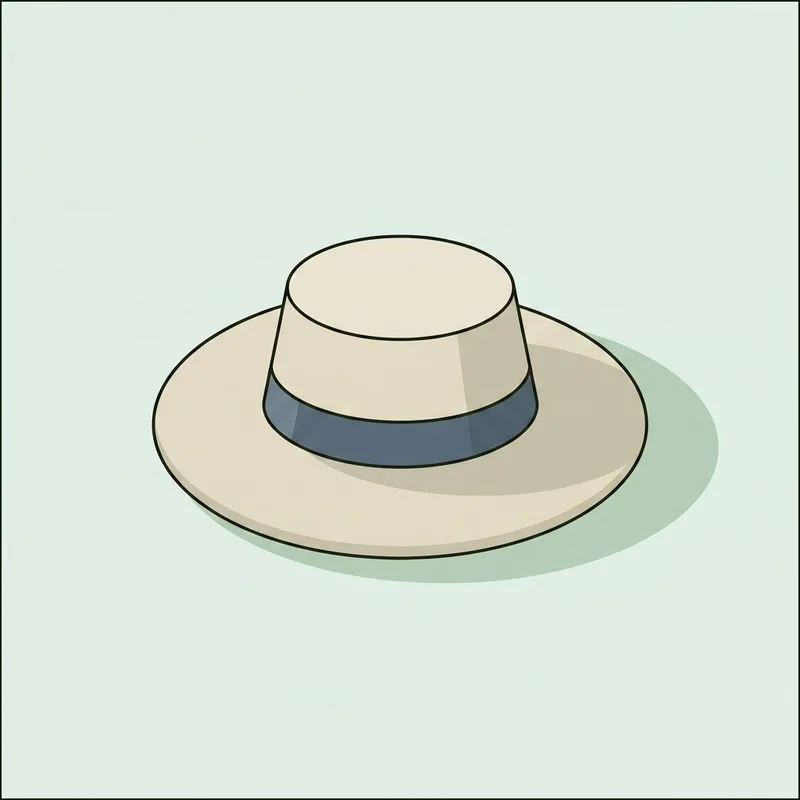
The Callaway Sun Hat is first because it is the only hat on this page that tells you what it does. Callaway publish 50+ UPF and describe it as the highest degree of sun protection of any hat they make, alongside a performance moisture-wicking sweatband, breathable mesh and a lightweight structured visor. It is one size with an adjustable toggle.
UPF is worth understanding because it is a real measurement rather than a marketing word. It describes how much ultraviolet radiation a fabric lets through, and 50+ is the top of the published scale. Fabric density, weave and colour all affect it, which is why a thin pale cotton cap and a dense technical fabric are not remotely the same thing even though both are hats.
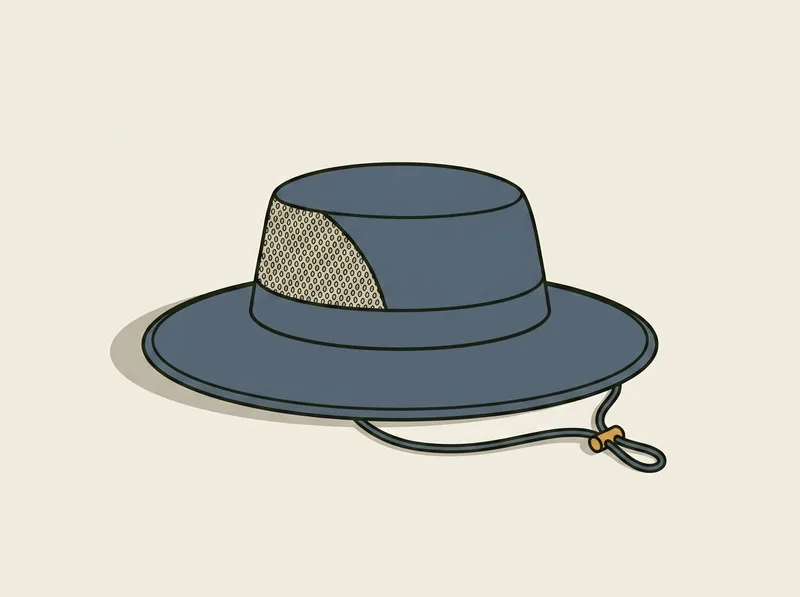 Around £40
Callaway Sun Hat
- Type
- Wide brim sun hat
- UPF published
- 50+
- Sweatband
- Performance moisture-wicking
- Sizing
- One size with an adjustable toggle
- Fabric
- Breathable mesh panels
- Visor
- Lightweight structured construction
- It publishes a UPF 50+ figure, which is the only number in this entire category and the only one that describes what a hat is for.
- A full brim shades ears and the back of the neck, which a cap does not touch.
- The toggle means it stays on in wind without being tight, which is the reason most people abandon brimmed hats.
- A wide brim is a look, and a lot of golfers will not wear one whatever the number says.
- One size with a toggle is a worse fit system than actual sizes.
- The brim moves in your peripheral vision on a putt more than a cap peak does.
VerdictThe pick if you take sun seriously, and the honest reason it is first is disclosure. Nobody else on this page will tell you what their hat blocks. If you will not wear a brim, the answer is the melin below and a bit less protection.
The honest problem is that a wide brim is a look, and plenty of golfers will not wear one. That is a legitimate position and it is why the rest of this page exists. The other real drawback is that a brim sits in your peripheral vision over a putt in a way a cap peak does not, which takes a round or two to stop noticing.
melin A-Game Hydro: a cap that comes in sizes
The melin A-Game Hydro is the other end of the argument: a structured six panel cap sold in three sizes, with hydrophobic treatment on the crown panels, a moisture-wicking lining and an antimicrobial treatment. melin are an American brand and they do run a separate British store, so this is a hat you can buy in pounds rather than import, which is not true of every US headwear label.
Three sizes is the feature. Small, classic and XL is not a huge range, but it is three more sizes than almost everything else in golf headwear, and it is the difference between a cap that sits where you put it and one you keep adjusting. The hydrophobic panels are the second real thing: water beads and runs off rather than soaking in, so the cap does not go heavy and cold in a shower.
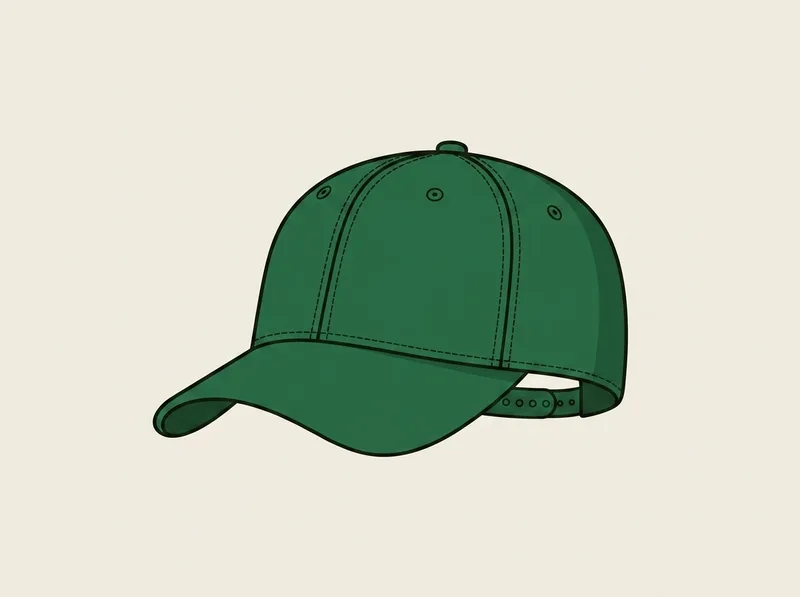 Around £60 at melin's own UK store
melin A-Game Hydro
- Type
- Structured cap, snapback
- UPF published
- None on the product listing
- Sweatband
- Moisture-wicking lining
- Sizing
- Three sizes, small, classic and XL
- Treatment
- Hydrophobic crown panels that bead water
- Extras
- Antimicrobial treatment and a hidden internal pocket
- Three actual sizes rather than one size and a strap, which is rare in golf headwear and obvious once you have worn it.
- The hydrophobic panels genuinely shed a shower, so the cap does not go heavy and cold on you.
- The crown holds its shape, which is why these look the same after two seasons and cheap caps do not.
- No UPF figure on the product listing, despite the fabric being marketed elsewhere on sun protection.
- The most expensive hat here by a wide margin.
- A structured crown is hot. Breathability is the trade for the shape holding.
VerdictThe buy if you wear a cap every round and are tired of them going shapeless. It fits properly and it survives, and you are paying a real premium for both. Not the pick if sun protection is the actual reason you are shopping.
What melin do not publish on this listing is a UPF rating, which is a gap given how much of their marketing elsewhere leans on performance fabric. The cap is also the most expensive hat here by a wide margin, and a structured crown is a hotter crown, which is the price of it keeping its shape.
Titleist Players StaDry Cap: the wet weather one
The Titleist Players StaDry Cap is a specialist and it is the only one here. It is built as a waterproof cap with bonded seams rather than stitched ones, a piping gutter around the arch to channel water, and lightweight construction.
Bonded seams are the whole point. A stitched seam has thousands of needle holes in it, which is why a shower resistant cap eventually wets through along the panel lines. Bonding removes them. The gutter around the arch is the detail that makes it worth owning, because it directs water off the sides rather than letting it run off the peak in front of your eyes on a putt.
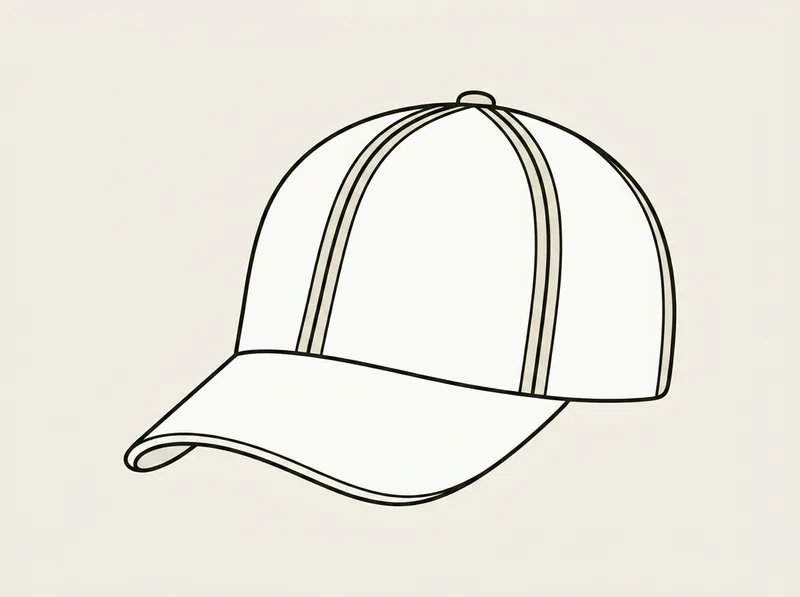 Around £18 to £27
Titleist Players StaDry Cap
- Type
- Waterproof cap
- UPF published
- None published
- Sweatband
- Not published
- Sizing
- One size fits most
- Construction
- Bonded seams with a gutter around the arch
- Weight
- Marketed on lightweight construction
- Bonded seams rather than stitched ones, which is the difference between a shower resistant cap and a waterproof one.
- The gutter around the arch is a real detail, because a cap that channels water away from your face is doing the job a peak is for.
- The cheapest genuine wet weather cap most golfers will find.
- Titleist publish nothing about UPF or the sweatband on the listing.
- One size fits most, which is one size and a hope.
- A waterproof fabric is a non-breathable fabric, and this is a hot cap in summer.
VerdictA specialist rather than an everyday hat, and worth owning if you play through winter. Buy it for the rain and keep something ventilated for July, because it will not do both.
Waterproof means non-breathable, so this is a hot cap in summer and should be treated as a second hat rather than a replacement for one. Titleist also publish nothing about UPF or the sweatband, and the sizing is one size fits most.
PUMA Interstate Golf Cap: the everyday default
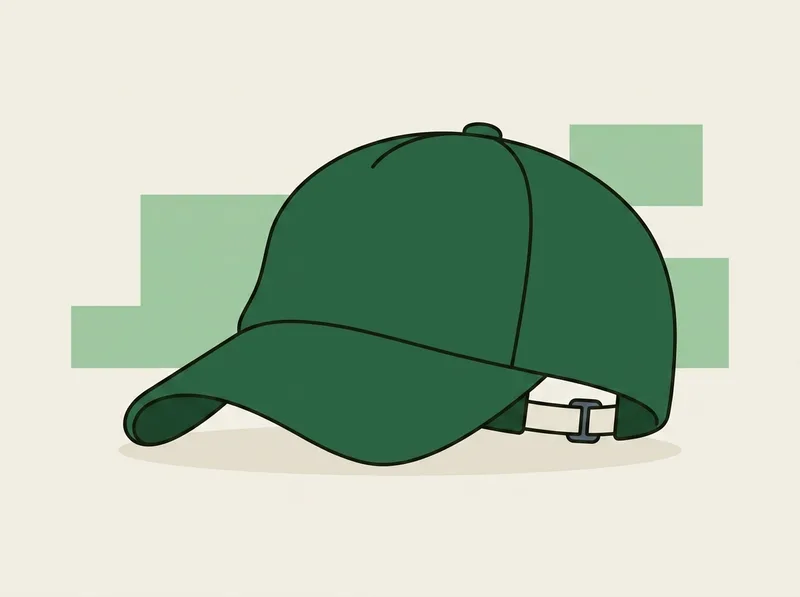
The Interstate is a lightweight technical cap with a moisture-wicking sweatband, a revised brim shape and a snapback closure. It is the category's baseline done competently. One caveat for a British buyer: PUMA UK do not list it, so it turns up here through marketplaces rather than through PUMA's own shop, and the equivalent PUMA caps sold directly in Britain cost rather less.
There is nothing to analyse here and that is the point. If your requirement is a cap that keeps the sun off your face, does not soak through and costs sensible money, this is that, and so are a hundred others.
 Around £30 to £35
PUMA Interstate Golf Cap
- Type
- Lightweight tech cap, snapback
- UPF published
- None published
- Sweatband
- Moisture-wicking
- Sizing
- One size, snapback closure
- Fabric
- Lightweight technical material
- Peak
- Revised brim shape that holds its form
- A moisture-wicking sweatband at the price where most caps have a strip of cotton.
- Lightweight enough that you forget it is on, which is most of what a golf cap needs to do.
- Cheap enough to own three and rotate them, which is the real answer to sweat.
- No UPF figure, no published fabric composition, no sizes.
- PUMA UK do not list it. British buyers are reliant on a marketplace such as Zalando rather than on PUMA's own shop.
- A snapback strap leaves a mark on your forehead by the sixteenth if you have it tight.
- Nothing about it is distinguishable from a dozen other caps at the price.
VerdictThe default everyday cap and there is nothing wrong with it. If the honest answer to your question is that you just want a cap that does not soak through, this is a perfectly good version of that answer, though the Titleist undercuts it on price.
Cap, bucket or visor
| Cap | Wide brim or bucket | Visor | |
|---|---|---|---|
| Face shade | Good | Good | Good |
| Ears and neck | None | Good | None |
| Heat build-up | Moderate | Moderate to low with mesh | Lowest, the head is open |
| Wind | Stays on unless it is fierce | Blows off without a toggle | Stays on well |
| Peripheral vision over a putt | Minimal intrusion | Brim edge is visible | None at all |
| How most golfers feel about it | Default | A decision | A decision |
The functional ranking is straightforward. A brimmed hat protects the most, a visor is the coolest to wear and protects the least, and a cap is the compromise almost everyone chooses. If you have any history of sun damage, or you play four hours in the middle of the day through summer, the brim is the right answer and the styling objection is not a good enough reason.
Sweat, and why one hat is not enough
The reason golf caps fail is not construction, it is that they get wet from the inside and never fully dry. A sweatband that has been soaked and dried a hundred times goes stiff, then salt-marked, then permanently smelly, and no washing gets it back.
The fix is unglamorous. Own two or three cheap caps rather than one expensive one, rotate them, and wash them cold and air dry rather than tumbling, because heat is what shrinks a sweatband and warps a peak. A structured cap should be dried on something that holds its shape rather than crumpled on a radiator.
Fit, and the one size problem
Adjustable strap, snapback, toggle and fitted are four different fit systems and only one of them is actually a size.
A fitted cap comes in head sizes and sits without tension, which is the most comfortable option and the one nobody stocks. Snapback and strap systems tension the crown against your head, which works and leaves a line on your forehead if you have it tight enough to survive wind. A toggle on a brimmed hat pulls the whole hat down, which is more secure and less comfortable.
The practical test is the one you can do in a shop. Put it on, leave it for two minutes, take it off and look at your forehead. If there is a line, it is too tight, and on a four hour round that line becomes a headache. Rounds run longer than most people plan for, and how long a round of golf takes is the honest version of that number.
Where the hat sits in the rest of the kit
A hat is one of four things that decide whether a hot round is pleasant, and it is the cheapest of them. Sunglasses do the part a peak cannot, which is protecting your eyes and letting you stop squinting for four hours. A golf umbrella is bought for rain and used for shade at least as often by anyone who plays in July. And sunscreen on the ears, neck and hands covers what all three of them miss.
In the other direction, a waterproof cap belongs with the rest of the wet weather kit rather than on its own, because a cap that keeps water out of your eyes while your jacket wets through is not solving anything. A towel with a dry section is the accessory that does the most work on a wet day, and the hat is the one that does the least.
The last thing worth knowing is social rather than technical. Removing your cap to shake hands on the eighteenth green is still standard in most places, and some clubhouses ask for headwear off indoors. Neither is a Rule, both are habits worth having, and golf etiquette covers the rest. Dress codes vary more than people expect, and what to wear golfing covers what clubs still enforce.
What to spend
| Budget | What it buys | Who it suits |
|---|---|---|
| £15 to £30 | A moisture-wicking sweatband, a lightweight fabric, one size and a strap | Everyone. This is genuinely enough |
| £30 to £45 | A published UPF rating, a full brim, or a waterproof bonded construction | Anyone with a specific problem to solve |
| £50 to £75 | Real sizing, a crown that holds shape, a water repellent treatment | Golfers who wear one every round and want it to last |
This is a category where the top of the range buys durability and fit rather than performance, and the middle of the range is where the only genuine functional upgrade lives. A twenty pound cap and a bottle of sunscreen protect you better than a seventy pound cap on its own.
Key takeaways
- Three things matter: sun coverage, sweatband, and fit. Everything else about a golf hat is styling, and that is a fine reason to buy one.
- Only one hat here publishes a UPF rating. A sun protection claim without a number is not a specification.
- A cap peak shades your face and nothing else. Ears and the back of the neck are where golfers actually burn.
- The Callaway Sun Hat is the pick if sun is the real reason you are shopping, at UPF 50+ with a moisture-wicking band.
- The melin A-Game Hydro comes in three actual sizes, which is rare in golf headwear and the biggest comfort difference available.
- The Titleist Players StaDry Cap uses bonded seams instead of stitched ones, which is what separates waterproof from shower resistant.
- Waterproof means non-breathable. A rain cap is a second hat, not a replacement for a summer one.
- Two or three cheap caps rotated will outlast and out-perform one expensive cap worn every round.
Common questions
What is the best golf hat?
If sun protection is the reason you are asking, the Callaway Sun Hat, because it is the only one here that publishes a UPF 50+ rating and a full brim covers the ears and neck. If you want a cap, the melin A-Game Hydro fits properly and lasts. If you play in rain, the Titleist Players StaDry Cap is the specialist.
Do golf hats really protect you from the sun?
A hat with a published UPF rating does, over the area it covers. That area is the catch. A cap peak shades the face and leaves the ears, the back of the neck and the sides of the head exposed, which is where sun damage on golfers concentrates. A brim covers all of it.
What does UPF 50+ mean on a golf hat?
It is a measurement of how much ultraviolet radiation the fabric lets through, and 50+ is the top of the published scale. It depends on the weave density, the fibre and the colour, which is why a thin pale cotton cap and a dense technical fabric perform completely differently despite being the same shape.
Is a bucket hat better than a cap for golf?
For sun protection, clearly, because the brim runs all the way round. For everything else it is a preference, and the two practical drawbacks are that it catches wind without a toggle and the brim edge sits in your peripheral vision over a putt until you get used to it.
How do I stop my golf hat getting sweaty and smelly?
You cannot stop it, only manage it. Rotate two or three caps rather than wearing one every round, wash them cold and air dry them rather than tumbling, and dry a structured cap on something that holds its shape. Heat is what shrinks a sweatband and warps a peak.
Are expensive golf hats worth it?
For durability and fit, sometimes. For performance, rarely. The genuine functional upgrades in this category are a published UPF rating, a full brim and bonded waterproof seams, and all three are available in the middle of the price range. The top of the range mostly buys real sizing and a crown that keeps its shape.
Should I wear a visor or a hat?
A visor is cooler because the top of your head is open, and it protects the least. It is also the option with nothing at all in your peripheral vision, which some golfers prefer over a putt. If you are bald or thinning, a visor is a poor idea in summer for obvious reasons.
What size golf hat should I buy?
If the hat comes in sizes, buy your measured head size. If it is one size with a strap or a toggle, the test is to wear it for two minutes and check your forehead for a line afterwards. A line means it is too tight, and over four hours too tight becomes a headache.
Do golf hats blow off in the wind?
Caps mostly stay on. Wide brimmed hats blow off constantly unless they have a chin cord or a drawcord toggle, which is exactly why the good ones have one. If you play somewhere consistently windy and want a brim, treat the toggle as a requirement rather than a feature.
Can I wash a golf cap?
Yes, cold and gently, and then air dry it in shape. Do not put a structured cap through a hot wash or a tumble dryer, because heat shrinks the sweatband and warps the peak permanently. Salt marks on the sweatband are largely irreversible, which is the argument for rotating caps rather than washing one repeatedly.
Do I need to take my hat off on the golf course?
Not on the course. Removing it to shake hands on the eighteenth green is standard in most places, and many clubhouses ask for headwear off indoors. Neither is in the Rules of Golf, both are conventions, and both are cheap to get right.
How we put this together
- Published manufacturer specifications for each hat, taken from the maker's own listing rather than a retailer's summary.
- Whether a UPF rating appears on the product listing at all, because a sun protection claim without a number is not a specification.
- What the sweatband is made of and whether the maker describes it, since that is the part that decides whether a hat is bearable in August.
- How many sizes the hat is offered in, which matters far more on headwear than the one-size-fits-most label suggests.
- Which parts of each listing are performance claims and which are shape and colour, because most of this category is the second one.
On this page
- The three variables, and then styling
- Callaway Sun Hat: the only published number
- melin A-Game Hydro: a cap that comes in sizes
- Titleist Players StaDry Cap: the wet weather one
- PUMA Interstate Golf Cap: the everyday default
- Cap, bucket or visor
- Sweat, and why one hat is not enough
- Fit, and the one size problem
- Where the hat sits in the rest of the kit
- What to spend
- How we put this together
Tom Ashworth
Tom Ashworth is a PGA Professional who has taught golf since 2012, working mainly with beginners and mid-handicappers at club level in Surrey. He reviews the instruction guides on Learn Golf for technical accuracy before they publish.
Most of his teaching is with players in their first three years of the game, and most arrive having been told too much: six swing thoughts collected from videos, half of them contradicting each other. His approach is to check the grip and the alignment before touching the swing, on the basis that most bad ball flight is decided at address.