Best Golf Gifts for Dad: What He Will Not Buy Himself
The problem with buying golf gifts for dad is not that he is hard to please. It is that he has already bought every object he believes he needs, and refuses to spend on the things that would actually help.
Some links here earn us a commission at no extra cost to you. It never changes what we recommend or the order we rank it. How this works.
A golfing dad is one of the hardest people to buy for, and not because he is fussy. It is that he has already bought every object he believes he needs, replaces nothing until it fails, and will not spend his own money on the two things that would improve his golf most: better rounds and better fitted clubs. That gap is where the good gifts are.
The four, compared
Two experiences, one book and one object. That weighting is deliberate: the object categories are where gifts for settled golfers most often fail.
| Pick | Best for | Spend | Sizing | You need to know | Lasts | Price |
|---|---|---|---|---|---|---|
| A round at a course he would not book himself | The dad who plays the same course every Saturday | About £40 to £46 at an ordinary British club in season, £130 to £160 at a notable one, £265 average across the GB and Ireland top 100 in summer 2026 | None | Roughly where he plays and how far he will travel | One day, remembered for years | Around £40 to £160 a round depending on the club, and £265 on average across the British and Irish top 100 |
| A professional club fitting | A dad playing clubs he bought a decade ago | £75 for a putter, wedge or fairway wood, £100 for a driver or irons, £150 for the long game, £200 to £250 for a full bag at a national specialist | The whole point, and it is measured for him | Only that his clubs predate his current swing | The life of the clubs it specifies | Around £75 to £250 at a national fitting specialist, or £25 to £100 at a local pro |
| Harvey Penick's Little Red Book | A gift that costs very little and is genuinely well loved | Around £19 to £21 in hardback | None | Nothing | Indefinitely, and it gets re-read | Around £19 to £21 in hardback at UK booksellers |
| A double canopy golf umbrella | Replacing the broken one in the back of his car | £45 to £65 at 68 inches from the club makers, £20 to £45 at 60 to 64 inches | None | Nothing, beyond whether he already replaced the last one | Years, if it is a double canopy | Around £45 to £65 for a full size 68 inch double canopy, from about £20 for a 60 inch one |
The column that decides most of these is what you need to know. Two of the four require nothing at all, one requires only a rough idea of where he plays, and none of them requires a measurement he would have to give you.
The number that reframes the whole page is the bottom of the green fee band. A visitor round at an ordinary British parkland club runs about forty pounds in season, which is less than the umbrella. The experience is not the expensive option here. It only feels like it because a round is a thing he pays for himself every week and an umbrella is a thing somebody buys him.
The gifts that go wrong, and why
There is a very consistent list of golf presents that dads receive and quietly retire, and every item on it fails for the same structural reason.
Golf shoes are the classic. Sizing runs differently between brands, width matters more than in ordinary shoes because the foot is loaded sideways through a swing, and a fit that seems fine in a hallway is punishing across four hours of walking. If shoes are genuinely what he needs, our shoe comparisons are worth reading, but this is a category to shop with him rather than for him.
Gloves fail the same way, in eight or more sizes per hand, and clubs fail hardest of all. A driver depends on shaft flex, length and loft, and an iron set adds lie angle and grip size to that list. Buying either off a shelf for somebody else is guesswork with a three figure price attached.
A round he would not book himself: the best gift here
 Around £40 to £160 a round depending on the club, and £265 on average across the British and Irish top 100
A round at a course he would not book himself
- Spend
- About £40 to £46 at an ordinary British club in season, £130 to £160 at a notable one, £265 average across the GB and Ireland top 100 in summer 2026
- Sizing
- None
- You need to know
- Roughly where he plays and how far he will travel
- Lasts
- One day, remembered for years
- Format
- A tee time booked and paid for directly, or a gift voucher bought from the club itself
- Winter rates
- Roughly half the summer rate at many British clubs, so a December purchase goes furthest in January
- Golfers who play the same course weekly almost never spend their own money on a better one
- No sizing, no model, no compatibility and nothing that can be the wrong specification
- Scales cleanly from a modest local round to a genuine bucket list course, and the bottom of that range costs less than an umbrella
- British winter rates run at roughly half the summer rate, which makes this the rare Christmas gift that is cheaper to buy in December than in June
- He has to actually book it, and an unredeemed voucher is the main way this fails
- Green fees swing enormously by season and by club, so a fixed value voucher may not cover a summer weekend rate at the course you had in mind
- The top 100 has risen about 11 per cent a year, so a figure you remember from a few seasons ago is now well short
- It is a voucher, so it needs presenting properly to feel like a present
VerdictThe best gift on this page for almost any established golfer, because it is the one thing he consistently refuses to buy for himself. It is also the widest price range here by a distance: forty pounds gets him a round somewhere pleasant he has never played, and two hundred and sixty five is the average for the courses he has read about. Add a note naming the course you had in mind rather than leaving it open, since an open voucher is the one most likely to sit unredeemed until it expires.
Golfers who play the same course every week almost never spend money on a better one. The weekly round is a fixed cost in the household budget and a nicer course is an extravagance, so it simply never happens. That makes a green fee at somewhere he has talked about but never played the single most reliably welcome golf gift there is.
The British price ladder is worth understanding before you set a budget, because the gaps in it are enormous. An ordinary parkland club takes about £40 on a weekday and £45 at the weekend for eighteen holes. A well known historic or regional course is a different order: Royal Blackheath in south east London publishes £130 midweek and £160 at the weekend for summer visitor rounds. And the courses he has actually read about are higher again, with the Great Britain and Ireland top 100 averaging £265 in summer 2026 and the top 25 averaging £407.
That ladder is the useful part. It means the same gift works at four very different budgets, and that the step from his usual Saturday to somewhere genuinely better is often forty pounds rather than four hundred.
Buy it directly from the course wherever you can. Most British clubs sell gift vouchers on their own websites and will book a specific tee time over the phone, and that route avoids the two things that go wrong with third party vouchers: restricted courses and expiry dates. What matters more is the framing. Name a course you had in mind rather than handing over an open voucher, because an open voucher is the version most likely to sit unredeemed until it expires.
If he plays with the same group every week, consider buying for two or four rather than one. A round at a good course alone is a nice morning; the same round with his usual fourball is the thing he tells people about. How tee time booking actually works covers the practicalities if you are arranging it yourself.
A club fitting: solving the reason clubs are a bad gift
 Around £75 to £250 at a national fitting specialist, or £25 to £100 at a local pro
A professional club fitting
- Spend
- £75 for a putter, wedge or fairway wood, £100 for a driver or irons, £150 for the long game, £200 to £250 for a full bag at a national specialist
- Sizing
- The whole point, and it is measured for him
- You need to know
- Only that his clubs predate his current swing
- Lasts
- The life of the clubs it specifies
- Covers
- Shaft, length, lie angle, grip size and head, depending on the session booked
- Fee structure
- Charged separately from any clubs, but frequently refunded in full against a custom club purchase
- Removes the guesswork that makes clubs themselves a terrible gift, by putting the measuring in professional hands
- Applies to the clubs he already owns as much as to new ones, since length, lie and grip size can be adjusted
- A single club session at a hundred pounds is a real gift on its own, so this does not have to mean the full bag
- The fee is very often refunded against a purchase, which means the gift can end up costing nothing and buying a lot
- The dearest thing on this page at the full bag end, and the fitting fee is separate from any clubs, so it can lead to a much larger conversation about spending
- Fitting is only useful if he is willing to change something afterward
- Session pricing and length vary widely between fitters, and a local pro at twenty five pounds is not selling the same three hours a specialist is
- The refund-against-purchase offers usually require buying on the day, which is exactly the pressure a gift should not create
VerdictAn excellent gift for a golfer whose equipment predates his current game, which describes most dads playing weekly. Buy the single club session rather than the full bag unless you know he wants the whole thing rebuilt, because a hundred pound driver fitting is a present and a two hundred and fifty pound full bag fitting is the opening of a negotiation. It is a poor gift for someone perfectly happy with his clubs, because a fitting he does not act on is an expensive afternoon.
Clubs make terrible gifts because they depend on measurements the buyer cannot take. A fitting is the version of that gift which works, because the measuring is handed to somebody qualified to do it and the golfer is present for it.
British pricing is more approachable than the phrase "club fitting" suggests. Club Champion UK, which runs studios in Basingstoke, Crawley and Glasgow, publishes £75 for a putter, wedge or fairway wood session, £100 for a driver or for irons and wedges, £150 for the long game and £200 to £250 for the full bag. Local PGA professionals and the larger retailers sit lower again, frequently between £25 and £100, and both tiers commonly refund the fee against a club purchase.
The practical advice that falls out of those numbers: buy the single club session. A hundred pounds for a driver fitting is a self contained present that ends with a decision he can act on or ignore. Two hundred and fifty pounds for a full bag fitting is the beginning of a conversation about replacing everything, which is a generous thing to give somebody and not always a welcome one.
The part people miss is that a fitting is useful even if he buys nothing. Lie angle, shaft length and grip size can all be adjusted on clubs he already owns, and a dad who has played the same irons since his swing was ten years younger is frequently carrying a lie angle that no longer matches how he delivers the club. What a fitting actually measures explains which of those adjustments are worth making and which are marketing.
The honest caveat: a fitting only helps a golfer willing to change something afterward. If he is entirely content with his clubs and has said so, this becomes an expensive afternoon that ends where it started. A lesson instead is the cheaper and often better version of the same impulse.
Harvey Penick's Little Red Book: small, cheap, well loved
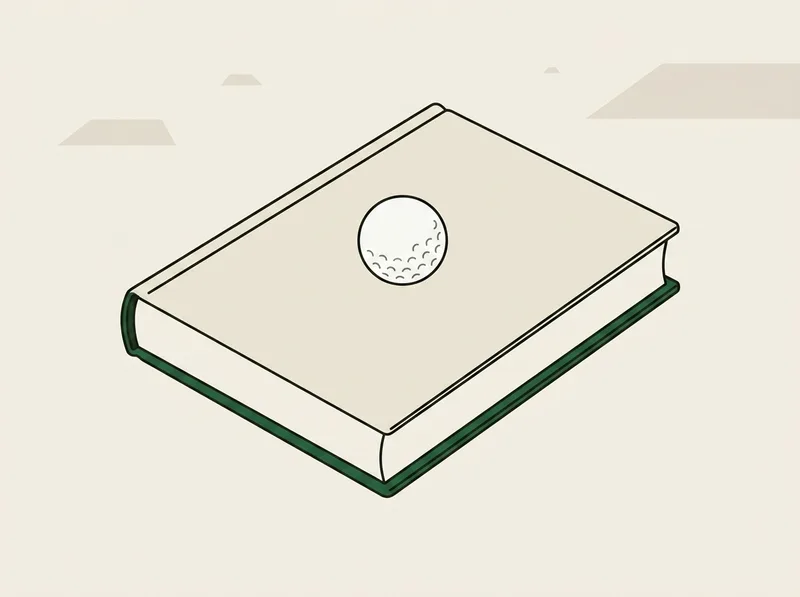 Around £19 to £21 in hardback at UK booksellers
Harvey Penick's Little Red Book
- Spend
- Around £19 to £21 in hardback
- Sizing
- None
- You need to know
- Nothing
- Lasts
- Indefinitely, and it gets re-read
- Author
- Harvey Penick with Bud Shrake
- Format
- The edition British booksellers stock is the twentieth anniversary hardback; ebook and audiobook also exist
- One of the few golf books that gets read more than once, and it is short enough to actually finish
- The cheapest thing on this page by a wide margin, at under half what a decent umbrella costs
- Needs no information about him at all
- Works equally for a golfer who wants to improve and one who simply likes the game
- It is a book, so it is a modest gift on its own
- There is a real chance he already owns it, since it is among the best known golf books there is
- The teaching is philosophical rather than technical, which will frustrate anyone hoping for a swing fix
- British booksellers stock the hardback rather than a paperback, so it is nearer twenty pounds here than the ten a mass market golf paperback costs
VerdictThe safest small gift on this page and the one with the least required knowledge. Check the shelf first if you can, because it is common enough that duplication is a genuine risk. If he already has it, Bob Rotella's Golf is Not a Game of Perfect is the obvious substitute and costs half as much again less.
Harvey Penick's Little Red Book is short, plainly written and built from decades of teaching notes rather than a swing system, which is why it survives on shelves long after technical instruction books get given away. It needs nothing at all known about the recipient and works for a golfer who wants to improve as well as one who simply enjoys the game.
Two honest warnings, and a British one. It is a modest gift on its own, so it works best paired with something else on this page. It is well enough known that duplication is a real risk, so glance at his shelf first if you can. And the edition British booksellers actually stock is the twentieth anniversary hardback at around twenty pounds, rather than a ten pound paperback, so it is a slightly more substantial gift here than the American lists suggest. The wider golf book comparison covers what to buy instead if he already owns this one.
A double canopy umbrella: the most boring gift that gets used
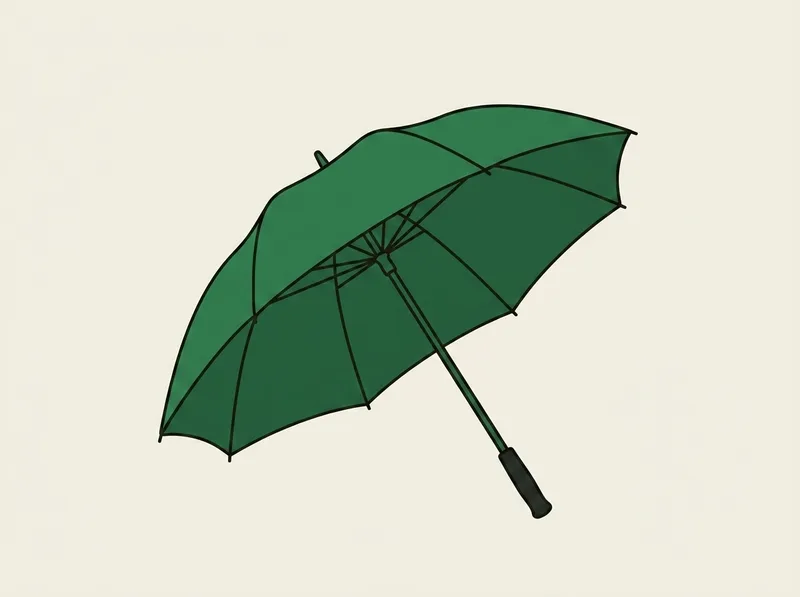 Around £45 to £65 for a full size 68 inch double canopy, from about £20 for a 60 inch one
A double canopy golf umbrella
- Spend
- £45 to £65 at 68 inches from the club makers, £20 to £45 at 60 to 64 inches
- Sizing
- None
- You need to know
- Nothing, beyond whether he already replaced the last one
- Lasts
- Years, if it is a double canopy
- Canopy
- Around 68 inches on a full size golf umbrella, 60 to 64 on the cheaper ones
- Construction
- Double canopy, which vents wind rather than inverting
- Every golfer owns a broken umbrella and almost none of them replace it before the next downpour
- No sizing, no fitting, no preference, and nothing that can be technically wrong
- A double canopy survives the wind that destroys single canopy umbrellas
- British retail sells double canopy models from about twenty pounds, so the vented construction is not a premium feature here
- Deeply unromantic as a present, and there is no way around that
- Bulky to wrap and to hide
- It costs more than a round at an ordinary British club, which is an uncomfortable comparison for a gift that lives in a car boot
- If he plays in a consistently dry climate it will spend most of its life in that boot
VerdictThe most boring gift on this page and one of the most used, particularly for anyone who plays through autumn and winter. Buy for the vent rather than for the price: British shops sell single canopy umbrellas at forty pounds and double canopy ones at twenty, so the number on the ticket tells you nothing about whether it will survive an exposed tee. Full size is 68 inches and costs £45 to £65.
Every golfer owns a broken umbrella. It is usually in the boot of the car, it inverted on an exposed tee two winters ago, and it has never been replaced because nobody buys an umbrella on a dry day. A full size double canopy model, around 68 inches across, vents wind through the gap between canopies instead of turning inside out, which is the entire difference between one that lasts years and one that lasts a season.
The buying rule in Britain is to read the construction rather than the price, because the two do not track each other. British golf shops sell 60 inch double canopy umbrellas at around twenty pounds and single canopy ones from the big club brands at forty, so a higher price is no guarantee of the vent. Full size 68 inch double canopy models from the club makers run £45 to £65, and that is the version worth buying if he plays through the winter.
There is no way to make this an exciting present, and it does not need to be. It is a gift for someone who plays through autumn and winter, and those are exactly the months this page is being read in. If he plays somewhere consistently dry, spend the money elsewhere, and note that the same sixty pounds buys a round at a considerably better course than his own.
Matching the gift to how he plays
The right present depends far more on his golfing habits than on his taste, and those habits are usually visible without asking a single question.
| If he | The gift that lands | Why |
|---|---|---|
| Plays the same course weekly | A round somewhere better | He will never book it himself |
| Uses clubs over ten years old | A fitting | Length, lie and grip may no longer suit him |
| Plays through winter | An umbrella and rain kit | The kit he owns is worn out |
| Has said he wants to improve | A lesson or a fitting | Both beat any object at the same price |
| Rides a cart every round | A cart bag | His current one is probably overdue |
| Walks and still carries | A push cart | The bag weight comes off his shoulders |
| Plays four times a year | Balls and a green fee | Nothing that needs commitment |
Two of those point at bags and carts, and the walk or ride question decides between them completely. Cart bags compared covers the riding case, and the wider golf gift guide covers the walking one alongside the higher budget categories.
Three things worth finding out first
Almost every gift decision on this page collapses to three facts, and none of them require asking him anything directly.
The first is whether he walks or rides. This is visible from whether there is a trolley in the garage, and it decides between a push cart and a cart bag with no overlap between the two. The second is what is worn out. Golfers replace equipment years later than they should, so the item he has apologised for or made a joke about is usually the right gift. Grips going shiny, a bag pocket taped shut and shoes with a spike missing are all things he has noticed and not acted on.
The third is whether he wants to get better or wants to enjoy himself, and these are genuinely different golfers rather than a polite way of saying the same thing. A golfer chasing a score wants a fitting, a lesson or data. A golfer who plays for the company wants a better round, better weather kit and nothing that implies homework. Buying the improvement gift for the second type is the most common way a well intentioned golf present lands badly.
If none of the three is obtainable, that is genuinely fine and it points at the same answer every time: a green fee at a named course. It requires no information at all, it costs less than most objects worth giving, and it beats anything bought on a guess.
Timing, for both of the seasons this matters
Golf gifts for dad concentrate around two dates, and they behave very differently in Britain.
Father's Day sits in June, when the season is fully open, stock is broad and green fees are at their annual peak. Christmas sits at the other end, and this is where the British calendar hands you a genuine advantage. Winter green fees at ordinary clubs run at roughly half the summer rate: Birchwood, to take one club publishing its full year, charges £40 for a weekday eighteen between April and September and £20 between November and February, with the shoulder months at £30. A round bought as a Christmas present and played in January therefore costs about half what the same round costs in July, and plays on the same course.
That is the opposite of how the rest of golf works, where December is when stock thins and substitutions on colours and models become common. For objects, commit early and buy in November. For rounds, December is the cheapest moment of the year to buy one, and the caveat is simply that he has to be willing to play in a coat.
Key takeaways
- The best golf gift for a settled golfer is a round at a course he would never book himself. Weekly players almost never upgrade their own green fees.
- The British green fee ladder is steeper than people expect: about £40 to £46 at an ordinary club, £130 to £160 at a notable one, and £265 on average across the GB and Ireland top 100 in 2026.
- A round at a good British club costs less than a decent golf umbrella, which is the whole argument for buying the experience rather than the object.
- British winter green fees run at roughly half the summer rate, so a round bought at Christmas and played in January is the one golf gift that is cheaper in December.
- A fitting solves the reason clubs are a bad gift, by putting the measuring in professional hands, and it applies to the clubs he already owns as much as to new ones. Buy the single club session at around £100 rather than the full bag at £200 to £250.
- Golf shoes, gloves, clubs and clothing all depend on a measurement you cannot see. These are the categories that produce unwanted golf presents.
- A well known golf book is the safest small gift here and needs nothing known about him, though British shops stock the hardback at around £20 rather than a cheap paperback, and duplication is a genuine risk.
- With umbrellas, read the construction not the price. British shops sell double canopy models at £20 and single canopy ones at £40, and only the vent decides whether it survives an exposed tee.
- Whether he walks or rides decides between a push cart and a cart bag, and there is no gift that covers both.
- Buy specific items in November. Rounds are cheapest in December.
Common questions
What is the best golf gift for a dad who has everything?
A round at a course he has talked about but never played. Golfers with full bags and settled habits still refuse to spend their own money on a better green fee, so it is the one gap that reliably exists no matter how much equipment he owns. At an ordinary British club that is about £40, which is less than most people expect.
Should I buy my dad golf clubs?
Not off a shelf. Clubs depend on shaft flex, length, lie angle and grip size, and getting any of those wrong makes the club worse than the one he already has. A fitting, or a voucher toward one, is the version of that gift which actually works, and a single club session runs about £100.
Is a club fitting worth it as a present?
For a dad playing clubs that predate his current swing, yes, and it is useful even if he buys nothing afterwards because length, lie and grip can be adjusted on his existing set. UK studio pricing runs £75 for a putter or wedge up to £250 for the full bag, with local pros often cheaper and the fee frequently refunded against a purchase. It is a poor gift for someone happy with his clubs and uninterested in changing anything.
What golf gift should I avoid buying for dad?
Shoes, gloves and clothing, unless you have the exact size, and any piece of technology he has commented on rather than asked about. Those two groups account for most golf presents that end up in a cupboard.
How much should I spend on a golf gift for dad?
Under about £25 a book works and needs nothing known about him. £40 to £65 buys either a full size double canopy umbrella or a round at a good club he does not play, and the round is the better gift. £75 to £150 buys a single club fitting. Above about £200 you need to know how he plays, because full bag fittings, bags, carts and technology all depend on it.
Is a golf book a good gift for a golfer?
It is a safe, cheap and genuinely well liked gift, and it needs nothing known about him. In Britain expect to pay around £20 for the hardback of the best known titles rather than the paperback price American lists quote. The main risk is duplication, so a quick look at his shelf is worth doing.
What do I buy a dad who plays golf twice a year?
Balls and a green fee. Nothing that requires a commitment, a fitting or a habit, because an occasional golfer will not build one around a present. Anything aimed at practice or improvement is aimed at the wrong player.
Should I buy a rangefinder for my dad?
Only if he has asked what to buy. A rangefinder is genuinely useful and genuinely expensive, and for a golfer who plays a handful of times a year it is a beautiful object that lives in a drawer. Our gadgets page covers which ones are worth it when he has asked.
Is a golf umbrella a good present?
It is unexciting and heavily used, which is a reasonable trade. Buy a full size double canopy version at 68 inches, which runs £45 to £65 in Britain, because the vent between the two canopies is what stops it inverting in wind. Do not use price as a proxy for that: British shops sell double canopy umbrellas at £20 and single canopy ones at £40.
When are UK green fees cheapest?
November to February, when many clubs run winter rates at roughly half the summer figure, and in the late afternoon, when twilight rates cut the price again. A club charging £40 for a summer weekday eighteen may well charge £20 in January and £25 for a late summer afternoon.
What is a good Father's Day golf gift compared to Christmas?
The gifts are the same, the timing is not. Father's Day falls mid season when green fees are at their annual peak and stock is broad. December has heavy retail discounting, thin stock, and green fees at roughly half the June rate, which makes a round the single best thing to buy at Christmas and the single worst value in June.
How do I make an experience gift feel like a present?
Name the course or the fitter rather than handing over an open voucher, and set a rough date if you can. Open vouchers are the ones that expire unused. Buying direct from the club rather than through a third party avoids restricted course lists as well. If it is a round, buying for his usual playing partners as well turns a nice morning into something he talks about.
How we put this together
- Built around one question rather than a product category: what does a golfer with a full bag and settled habits still not have.
- Published provider and manufacturer information taken from each company's own site rather than a summary of it.
- Prices recorded as GBP bands read from British sources: published visitor green fees at named UK clubs, a published UK fitting price list, and current UK retail. Green fees and fitting fees are genuinely variable, so each band states what population it describes rather than pretending to a single figure.
- Deliberately weighted toward experiences and services, because the object categories are where gifts for established golfers most often fail.
- The sizing test applied to every candidate: anything requiring a measurement the buyer cannot see was either cut or carries an explicit warning.
On this page
- The four, compared
- The gifts that go wrong, and why
- A round he would not book himself: the best gift here
- A club fitting: solving the reason clubs are a bad gift
- Harvey Penick's Little Red Book: small, cheap, well loved
- A double canopy umbrella: the most boring gift that gets used
- Matching the gift to how he plays
- Three things worth finding out first
- Timing, for both of the seasons this matters
- How we put this together

Tom Ashworth
Tom Ashworth is a PGA Professional who has taught golf since 2012, working mainly with beginners and mid-handicappers at club level in Surrey. He reviews the instruction guides on Learn Golf for technical accuracy before they publish.
Most of his teaching is with players in their first three years of the game, and most arrive having been told too much: six swing thoughts collected from videos, half of them contradicting each other. His approach is to check the grip and the alignment before touching the swing, on the basis that most bad ball flight is decided at address.